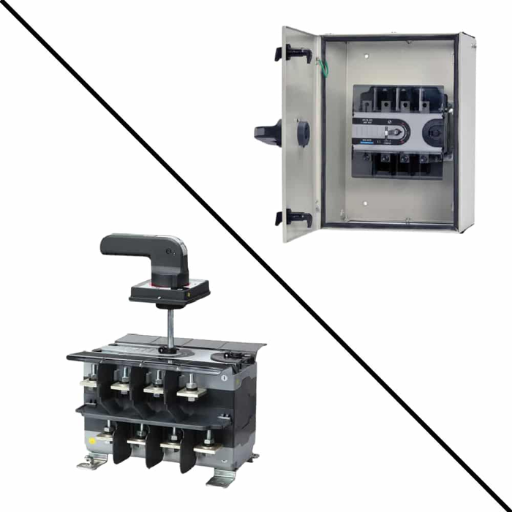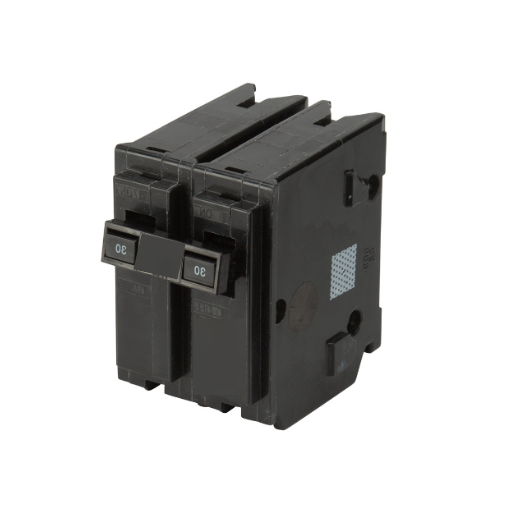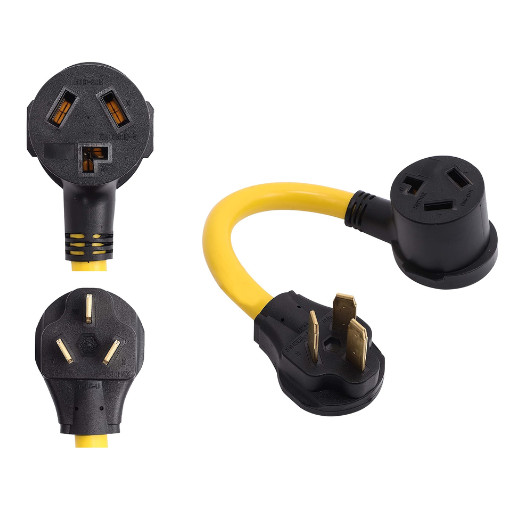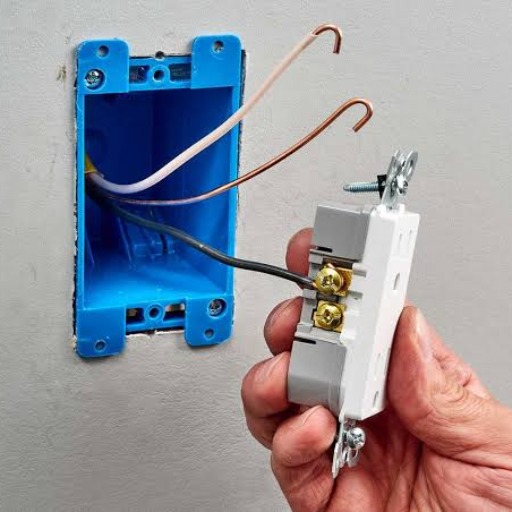
The selection process requires additional steps beyond functional requirements to determine wire size for a 30 amp breaker because it serves as a crucial safety measure. The system operates at its highest efficiency when users select the correct wire gauge because it prevents overheating problems which lead to potential fire risks. The decision-making process becomes difficult because there are multiple wire types, materials, and standards that need evaluation. The guide will present essential information which will empower you to make a decision based on your understanding. The guide will show you why correct wire size matters because it directly affects how your system will function.
Introduction
The safety and efficiency of any electrical system depend on the correct selection of wire size. The system performance depends on this factor which determines how much electrical current the system can handle. The appropriate wire size depends on factors like the current load, the length of the wire run, and the specific application. The established electrical codes and guidelines offer safe and reliable solutions which you should follow during your selection process.
Importance of Correct Wire Size for 30 Amp Breakers
The selection of proper wire dimensions establishes basic requirements which ensure safe operation through a 30 amp breaker. The use of incorrect wire dimensions leads to multiple issues which include overheating and voltage reductions and the creation of fire risks. The wire size selection needs to follow safety standards and guidelines which must match the breaker capacity. The following information presents essential details which require examination.
⚡ Recommended Wire Size
The National Electrical Code (NEC) mandates 10-gauge copper wire as the standard wire size for 30 amp breakers. The wire size guarantees safe current handling without overheating problems according to this standard.
📏 Voltage Drop
The electricity flow requires voltage drop as a critical element when it travels across extended distances. The maximum distance should remain below 100 feet because you must upgrade wire dimensions to prevent excessive voltage losses.
🔧 Wire Material
The type of wire material matters—copper is preferred due to its better conductivity and lower resistance. Aluminum wires require higher expense because they must use larger wire sizes to safely carry the same electrical load.
🛡️ Insulation Type
The insulation rating of a wire determines its ability to function in various environmental conditions. Wires designed for outdoor or wet environments need waterproof insulation which THWN wires provide.
📋 Compliance with Local Codes
The local electrical codes should be reviewed because they might establish more stringent requirements than the NEC. The regulations need to be followed because they provide safety measures and they reduce legal issues during inspection processes.
The process of selecting wire size for a 30 amp breaker requires knowledge about multiple elements which control system performance through operational readiness and safety requirements for electrical equipment.
Safety and Electrical Code Compliance
All electrical work must start with safety measures which protect people and ensure compliance with electrical codes. The following five essential components must be considered to maintain safety while following regulatory requirements.
- Proper Grounding: Proper grounding of all electrical circuits and systems provides protection from electrical shocks while it protects the system against faults.
- Circuit Overcurrent Protection: Wiring requires protection through circuit breakers or fuses which must match their correct rating to prevent overheating and stop fires caused by overloads or short circuits.
- Wire Insulation and Integrity: All wires must have proper insulation which includes THWN and THHN to protect against environmental damage from moisture and heat and physical contact.
- GFCI and AFCI Installation: Ground Fault Circuit Interrupters GFCI must be installed in all wet areas while Arc Fault Circuit Interrupters AFCI need installation in all residential areas to reduce electric shock and fire hazards.
- Regular Inspections and Testing: Electrical systems require regular inspections and tests to confirm their compliance with regulations and to verify their safety performance throughout their operational lifespan.
Understanding Wire Size Requirements
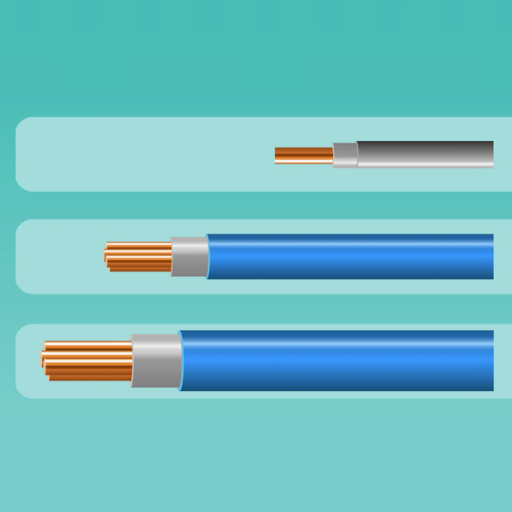
The selection of appropriate wire dimensions is essential for maintaining both operational efficiency and protection of electrical systems. The wire size determines the maximum current that a wire can safely carry without experiencing overheating, which serves as the primary method to avoid electrical fires and system breakdowns. The American Wire Gauge (AWG) standard establishes wire diameter and current capacity through its system of wire dimensional measurement, which uses smaller gauge numbers to indicate greater wire thickness and electrical current conductivity.
Key Factors in Selecting Wire Size
Current Carrying Capacity (Ampacity)
Ampacity defines the maximum electrical current that a wire can conduct without reaching dangerous temperature levels. For example:
- A 14 AWG wire can handle up to 15 amps under normal conditions.
- A 12 AWG wire is rated for 20 amps.
- A 10 AWG wire is rated for 30 amps.
The wire’s ampacity must match the circuit breaker or fuse rating to prevent overheating problems.
Voltage Drop
Voltage drop occurs when electrical current travels across long distances which results in lower voltage levels at the destination point. According to standards, voltage drop should ideally remain below 3%. A larger wire size must be used for longer runs to require proper voltage maintenance at load points.
Application and Environmental Factors
Certain applications require special considerations when they occur in underground locations or areas with extremely high temperatures. For example:
- THWN-2 wire is designed for high temperature and moist environments.
- PVC-insulated wires are common in general building installations but they require additional protection for outdoor use.
Common Wire Sizes and Uses
- 14 AWG: This wire size serves lighting circuits and handles low-load applications that require up to 15 amps of current.
- 12 AWG: This wire size operates most general-purpose outlets and small appliances that require up to 20 amps of current.
- 10 AWG: This wire size powers air conditioners and water heaters and supports medium-duty appliances that require up to 30 amps of current.
- 8 AWG and Larger: This size of wire serves as the minimum requirement for electrical systems that power heavy-duty equipment including ovens and subpanels and whole-house generators.
National Electrical Code (NEC) Guidelines
The NEC standards mandate particular wire size specifications which depend on both application requirements and environmental factors and electrical load requirements. NEC standards must be followed to achieve necessary safety and compliance according to the established guidelines. For instance:
- Copper wires are preferred over aluminum because they offer better conductivity and greater strength.
- Wires for branch circuits must be properly sized according to their intended load and distance requirements.
💡 Real-World Example
The standard wire size for a 20-amp kitchen circuit in residential applications requires 12 AWG copper wire. The circuit needs 10 AWG wire when its length goes beyond 100 feet because this wire size maintains allowable voltage drop standards. The application of these wire sizing principles will create an electrical system which operates safely and efficiently throughout its entire operational lifespan. People should contact a licensed electrician to assess their specific situation because they need professional help with their particular needs.
Copper vs. Aluminum Wiring for 30 Amp Breakers
| Key Point | Copper Wiring | Aluminum Wiring |
|---|---|---|
| Conductivity | Higher conductivity | Lower conductivity |
| Wire Size | 10 AWG | 8 AWG |
| Durability | More durable | Less durable |
| Corrosion Resistance | High resistance | Prone to corrosion |
| Cost | More expensive | Less expensive |
| Weight | Heavier | Lighter |
| Safety | Safer and more reliable | Requires proper installation |
| Applications | Preferred for residential wiring | Used for cost-sensitive projects |
Wire Gauge Recommendations
The process of selecting the correct wire gauge for a 30-amp breaker requires adherence to safety standards which must also take into account the material properties of the conductor. The following section provides precise instructions for all common wire types.
Copper Wiring
Copper wires serve as the most suitable option for residential and commercial purposes because of their exceptional ability to conduct electricity and their lasting strength. The recommended minimum wire size for a circuit with a 30-amp breaker requires 10 AWG wire. The wire is designed to conduct current without experiencing overheating or voltage drop issues.
Voltage drop calculations require the following information:
- The maximum distance for 10 AWG copper wire extends to 50 feet.
- The distance requires you to use 8 AWG copper wire to maintain voltage drop within safe limits (less than 3%). The most accurate voltage drop calculations can be performed with voltage drop calculators.
Current capacity:
- The 10 AWG copper wire has a current capacity of 30 amps at 75°C insulation.
Aluminum Wiring
Aluminum wiring is used in some applications because it costs less and weighs less than other materials. The electrical conductivity of aluminum materials falls short of copper materials which forces users to select larger aluminum materials for equivalent current capacity. The minimum required wire size for a 30-amp breaker installation needs 8 AWG aluminum wire.
Voltage drop calculations require the following details:
- The distance requires 8 AWG aluminum wire which provides sufficient power for distances shorter than 50 feet.
- The distance requires you to use 6 AWG aluminum wire to prevent excessive voltage drop which occurs during long distance runs.
Special considerations:
- Aluminum wires develop oxidation which leads to increased electrical resistance. You must apply anti-oxidation compounds to the terminations and conduct regular connection assessments.
- Aluminum connections need to follow NEC regulations which demand connectors designed exclusively for aluminum use.
Summary of Wire Gauge Recommendations for a 30 Amp Breaker
| Wire Material | Minimum Gauge (Under 50 ft) | Recommended Gauge (Over 50 ft) | Notes |
|---|---|---|---|
| Copper | 10 AWG | 8 AWG | Best choice for durability and conductivity. |
| Aluminum | 8 AWG | 6 AWG | Requires special handling and connectors. |
You can select appropriate wire gauge which achieves safe and efficient electrical system performance through following these guidelines together with your specific installation requirements. You need to verify all information against National Electrical Code standards while working with a licensed electrician who will provide project-specific assessment services.
Wire Size Ampacity Chart Overview
The process of choosing wire sizes for electrical work demands knowledge of ampacity. The term ampacity defines the highest electrical current which a conductor can transmit through its wires without exceeding the conductor’s temperature limitations. The safe current carrying capacity of a conductor depends on four factors which include its wire composition, insulation material, environmental heat conditions and installation method.
The following wire size ampacity chart provides detailed information about copper and aluminum conductors which incorporates data from National Electrical Code NEC as well as other trustworthy sources.
| Wire Size (AWG) | Copper 60°C/140°F |
Copper 75°C/167°F |
Copper 90°C/194°F |
Aluminum 75°C/167°F |
Aluminum 90°C/194°F |
|---|---|---|---|---|---|
| 14 AWG | 15 Amps | 20 Amps | 25 Amps | — | — |
| 12 AWG | 20 Amps | 25 Amps | 30 Amps | — | — |
| 10 AWG | 30 Amps | 35 Amps | 40 Amps | — | — |
| 8 AWG | 40 Amps | 50 Amps | 55 Amps | 40 Amps | 45 Amps |
| 6 AWG | 55 Amps | 65 Amps | 75 Amps | 50 Amps | 65 Amps |
| 4 AWG | 70 Amps | 85 Amps | 95 Amps | 65 Amps | 75 Amps |
| 2 AWG | 95 Amps | 115 Amps | 130 Amps | 90 Amps | 100 Amps |
| 1/0 AWG | 125 Amps | 150 Amps | 170 Amps | 120 Amps | 135 Amps |
| 2/0 AWG | 145 Amps | 175 Amps | 195 Amps | 135 Amps | 150 Amps |
| 4/0 AWG | 195 Amps | 230 Amps | 260 Amps | 180 Amps | 205 Amps |
Factors Influencing Wire Selection
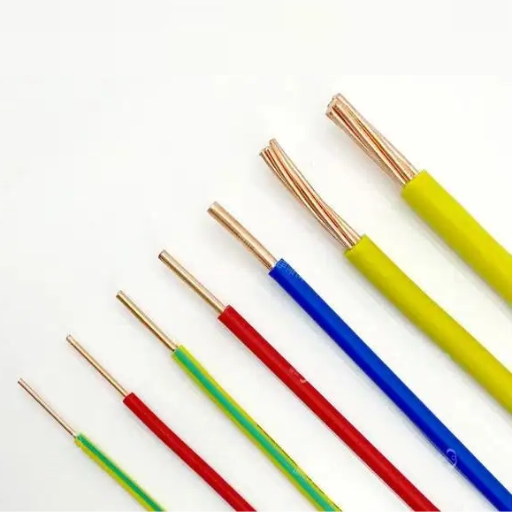
The process of selecting proper wire for projects requires assessment of multiple critical factors which ensure both safety and operational efficiency while meeting all regulatory requirements. The following elements represent five fundamental elements which must be evaluated:
- Current-Carrying Capacity (Ampacity): The ampacity of a wire is its ability to carry current without overheating. Electrical currents through wires depend on three factors which include conductor size and material type and the environment where the wires are installed. Wire ampacity for copper materials exceeds that of aluminum materials when both materials have identical dimensions.
- Ambient Temperature: The surrounding temperature at the installation site can significantly affect wire performance. NEC guidelines require that systems become de-rated during high temperature operations to ensure safe performance which results from increased heat stress conditions.
- Voltage Rating: Wires must be rated for the voltage of the circuit they are applied to. The insulation type and thickness are designed to handle specific voltage levels which safeguard against potential breakdowns or electrical faults.
- Environmental Conditions: Insulation and protective sheathing materials need to meet specific requirements which result from environmental factors like moisture and chemical exposure and UV radiation. Outdoor installations require wiring materials which can resist UV radiation and extreme weather conditions.
- Length of the Wire Run: Longer wire lengths produce voltage drops which reduce device performance and operational productivity. The circuit requires larger gauge wires because they reduce resistance while maintaining stable voltage levels throughout the system.
The assessment process requires all factors to be reviewed because it guarantees that selected wires will satisfy both technical requirements and safety standards needed for their intended use.
Distance and Voltage Drop Considerations
The safety and effectiveness of a wiring system depend on two crucial elements which include distance and voltage drop. The term voltage drop describes the reduction of voltage which occurs when electric current flows through a wire. The efficiency of electrical devices will decrease which leads to their lower operational output. The following five factors need to be considered when evaluating distance and voltage drop between two points:
- Wire Size (Gauge): Higher gauge wires provide better electrical performance because they decrease resistance which results in lower voltage loss during extended wire runs. The correct wire size selection serves an essential function which ensures that voltage levels remain stable at the wire’s termination point.
- Current (Amperage) Requirements: The higher current loads which electrical devices draw create an increased chance of voltage drop problems. The wiring should possess sufficient capacity to handle current demands while maintaining acceptable voltage levels.
- Total Distance of the Wire Run: The resistance of a wire run increases with its length which results in more voltage drop. The complete distance needs to be calculated which includes both the outgoing and return wire paths.
- Type of Material Used in Wiring: Copper wires provide better resistance performance than aluminum wires do because they decrease voltage drop across identical distances.
- Allowable Voltage Drop Percentage: Most systems aim to limit voltage drop to 3% or less for optimal performance. The percentage helps select appropriate wires while designing systems which conform to industry standards.
The electric system maintains both efficiency and safety throughout long distances when operators pay close attention to these particular factors.
Conduit Type and Its Impact on Wire Size
The upcoming section presents details about five typical conduit types which determine wire sizing requirements for electrical systems.
The characteristics of each conduit type enable engineers and electricians to determine optimal wire sizing solutions which guarantee operational efficiency, workplace safety, and regulatory standards compliance.
Environmental Factors Affecting Wire Performance
The environmental conditions determine how electrical wires will perform and how long they will last. The five essential factors mentioned below create significant effects on wire performance and safety requirements.
🌡️ Temperature
Wires experience changes in conductive properties and insulation performance because of extremely high or extremely low temperature conditions. The material becomes brittle at low temperatures while high temperatures cause insulation material degradation over time. Wires that operate at temperatures above 90°C need special high-temperature insulation protection in order to prevent system failure.
💧 Moisture and Humidity
Rain and high humidity levels and moisture exposure lead to conductor corrosion and insulation damage. Wet environment wires with water-resistant jackets serve as vital components to stop short circuits and system breakdowns.
☀️ UV Radiation
Non-UV-resistant cables experience their outer insulation material degradation through sunlight exposure which results in cracking that exposes the internal conductor. Outdoor wires require UV-rated insulation materials to preserve their operational integrity throughout their service life.
⚗️ Chemical Exposure
Industrial areas which handle hazardous chemicals and environmental pollutants create conditions that corrode electrical wires and their insulation material. The establishment of protective wire systems during these hazardous material occurrences requires the use of special coatings or chemical-resistant conduits.
🔩 Mechanical Stress and Vibration
The continuous vibration and mechanical stress that industrial equipment and transportation systems create results in wire damage through wear and tear. The industry commonly employs flexible or reinforced cables to solve these problems while providing durability.
Safety performance and compliance with regulations depend on proper wire selection and system design which require complete understanding of environmental factors.
Common Applications for 30 Amp Circuits
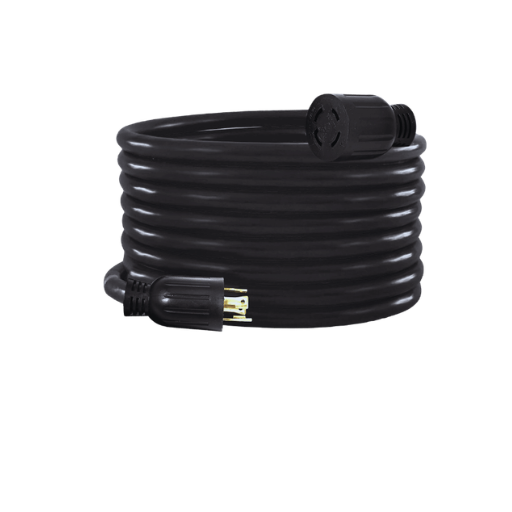
People commonly use 30 amp circuits for residential, commercial and industrial applications because these circuits can handle moderate electrical demands. The following five applications require 30 amp circuits for their fundamental operations:
- 🚐 Recreational Vehicles (RVs): 30 amp circuits provide RVs with enough power to operate their air conditioners refrigerators and lighting systems.
- 👕 Electric Dryers: Standard electric dryers require 30 amp circuits to efficiently handle the high power demand necessary for heating and tumbling.
- 🚿 Electric Water Heaters: Many electric water heaters rely on 30 amp circuits to support consistent operation and rapid water heating.
- 🔨 Workshops and Power Tools: Home and commercial workshops require 30 amp circuits to operate tools which include welders and table saws and air compressors.
- ❄️ HVAC Systems: Smaller HVAC systems which include specific air conditioning and heating systems require 30 amp circuits to maintain their dependable operation.
Designing electrical systems that meet their intended functions requires knowledge of these standard applications.
Usage in Dryers and Heavy Appliances
The electrical system needs 30 amp circuits to provide essential power for household devices which span electric dryers and particular industrial washing machines. The appliances need 240 volts of electrical power which must deliver enough current to meet their operational requirements. The power requirements of electric dryers range from 1800 watts to 5000 watts which corresponds to 7.5 amps and 21 amps of current at 240 volts based on the dryer model and operating conditions. The 30 amp circuit stands as the optimal solution because it provides energy in a secure manner while operating all electrical equipment without jeopardizing safety standards.
The output of appliances needs to match the existing circuit capacity according to recent information. The installation instructions for modern appliances require a dedicated 30 amp breaker and specific wiring which includes 10-gauge copper wire to meet safety standards and National Electrical Code (NEC) requirements. New dryer models employ energy-saving technologies yet their heating cycles require 30 amp circuits because they consume excessive power during these periods.
Appropriate circuit sizing acts as a protective measure against electrical fires therefore decreasing instances of breaker tripping while enhancing both appliance performance and their operational duration. The proper installation of 30 amp circuits for dryers and heavy appliances enables reliable operation at modern home requirements while maintaining safety compliance.
30 Amp Breakers in RVs and Recreational Vehicles
Breakers of 30 amp capacity serve as the primary power distribution system for RVs and recreational vehicles because these breakers manage electrical power flow to all vehicle components. The standard 30 amp RV electrical system delivers maximum power of 3,600 watts because it operates at 120 volts and 30 amps. The system needs this power capacity because it must supply energy to multiple appliances, including air conditioners, refrigerators, and microwaves, without causing system overloads.
The RV must connect to a 30 amp electrical outlet because this requirement protects the vehicle’s electrical system from damage. RV parks and campgrounds provide dedicated 30 amp hookups which operators designed to work with these systems. RV owners frequently use surge protectors as a defense mechanism against power fluctuations that happen at various connection points.
The majority of RVs used by small to medium-sized families operate on 30 amp systems but 50 amp systems power larger RVs because they require more electrical resources to operate different devices. Users of a 30 amp system must plan their electrical consumption because they need to prevent running multiple energy-intensive devices at once which would exceed system limits. The organizations dedicated to circuit breaker safety protection must conduct circuit breaker monitoring and maintenance activities because these tasks establish permanent safety standards which also protect equipment from overheating while extending equipment lifespan.
Air Conditioning Units and 30 Amp Circuits
Air conditioning units need power management because they operate on 30 amp circuits which must be maintained for both efficient system operation and protection against system overload. The air conditioner in a standard recreational vehicle requires between 12 to 16 amps during operation because its power consumption depends on its dimensions and efficiency and BTU rating. The 13,500 BTU air conditioner consumes between 12 to 15 amps of power while the 15,000 BTU unit consumes close to 16 amps of power.
The 30 amp circuit operates with a 3,600 watt power limit which requires operators to monitor all electrical devices that function throughout system operations. The air conditioner requires less power because microwaves and electric water heaters and hair dryers consume between 800 to 1,500 watts or more. The AC system needs all unnecessary appliances to stop operating so it can function without tripping the breaker. A soft start device makes it possible to decrease power consumption during air conditioner startup which allows the system to operate within 30 amp system limitations.
The air conditioning system energy efficiency improves through routine maintenance activities which involve cleaning filters and checking coils and protecting ventilation systems. The effective cooling process in a 30 amp electrical system needs users to comprehend both AC unit amperage requirements and the operating rules of their specific appliances.
National Electrical Code (NEC) Standards
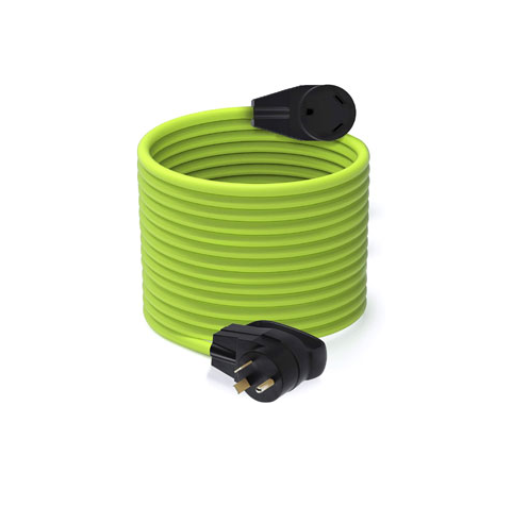
The National Electrical Code functions as an extensive set of regulations which the National Fire Protection Association developed to safeguard electrical systems in residential and commercial and industrial settings. The NEC provides a three-year update cycle which includes technological advancements and safety standard improvements for its content updates. The 2023 edition presents essential updates which emphasize renewable energy systems and electric vehicle (EV) charging infrastructure and energy storage systems to meet increasing requirements for eco-friendly energy solutions.
Key Provisions of the NEC
- Circuit Protection: The NEC requires electrical systems to implement suitable circuit breakers or fuses which must adhere to specific sizing criteria that depend on both wire dimensions and system operational requirements.
- Grounding and Bonding: The practice of proper electrical system grounding creates two benefits which reduce electric shock hazards and protect equipment from damage. The NEC requires all systems to follow complete grounding requirements.
- The code establishes requirements which mandate arc-fault circuit interrupters (AFCIs) and ground-fault circuit interrupters (GFCIs) in specific residential areas to diminish potential fire and electric shock hazards.
- Conductor Sizing: The NEC ampacity tables establish maximum current limits which each conductor can transport according to its dimensions and insulation material and surrounding temperature conditions.
Data and Advancements
- Electric Vehicle Infrastructure: The 2023 NEC presents new charging installation standards which provide safer operational routes for residential and commercial electric vehicle charging needs.
- Renewable Energy Growth: The new regulations establish secure methods for installing solar panels and energy storage systems through defined procedures which permit photovoltaic systems to operate with standard electrical systems.
- Energy Efficiency: The current standards promote LED lighting and advanced HVAC control systems because they demonstrate their importance to sustainable development.
Electrical installation and maintenance work needs people to understand NEC standards because those standards dictate all requirements for their work. The guidelines establish both local regulation compliance requirements and safety performance standards which organizations must follow. The NEC requirements help RV owners with 30 amp systems to establish trustworthy and secure electrical systems.
Overview of Relevant NEC Guidelines
The National Electrical Code (NEC) establishes complete regulations which protect against electrical hazards while promoting efficient electrical installations in residential areas commercial spaces and recreational vehicle (RV) sites. The National Electrical Code Article 551 requirements will apply to recreational vehicle (RV) operators who use 30-amp electrical systems. This section provides specific rules for the electrical systems of recreational vehicles which include requirements for their wiring methods and equipment types and power supply systems.
Main Points of National Electric Code Regulations for Recreational Vehicles
- The article establishes 120-volt single-phase power as the standard voltage requirement for 30-amp RV systems. The receptacle type that should be installed to match this specification needs to be NEMA TT-30R.
- 30-amp systems require users to install a single-pole 30-amp circuit breaker or fuse which functions as their overcurrent protection device that blocks all overcurrent situations which might lead to fire risks.
- The NEC recommends 10 AWG (American Wire Gauge) copper conductors as the standard wire size for 30-amp systems because they help reduce voltage drops while delivering electrical power at maximum efficiency.
- The proper establishment of grounding according to NEC guidelines holds critical importance because it functions as an essential safety measure. GFCI protection must be established in all outdoor and wet areas as an additional safety requirement.
Information and Data
- Recent research shows that RV system electrical faults occur because of incorrect installation and failure to meet NEC standards. The Electrical Safety Foundation International (ESFI) reports that grounding failures contribute to 33% of electrical incidents in mobile structures like RVs.
- Using substandard or undersized wires (smaller than 10 AWG) leads to voltage drops between 5% and 5% which decreases efficiency while creating risks for appliances.
- The operational safety of RV systems increases through NEC standards implementation which includes Article 551 requirements that help decrease energy waste and extend system lifespan.
Compliance with Local Codes and Regulations
Recreational vehicle electrical systems need protection according to local codes and regulations which serve as the main protection requirement. The National Electrical Code (NEC) combines with local regulations which each jurisdiction establishes to create requirements that address specific environmental conditions and infrastructure requirements and safety standards of the area.
The various jurisdictions established updated grounding and bonding standards which required approved grounding rods or connectors that local authorities permitted to be used. The compliance process requires materials which can sustain extreme weather conditions because some regions encounter both high temperature and heavy rain and freezing weather conditions.
The recent energy assessment results show that proper wiring together with circuit protection systems plays an essential role in maintaining safe electrical systems. The Electrical Safety Foundation International (ESFI) published a 2022 report which showed that approximately 25 percent of electrical fires which occurred in mobile structures resulted from code violations that included circuit overloads and usage of inferior electrical equipment. The state mandates RV inspections before public campground use because these inspections help decrease safety hazards.
Electricians need to develop comprehensive installation plans for new electrical work because local permit requirements demand this information for their installation projects. The process requires them to create voltage drop assessments and load requirement calculations and they must document all materials used in their project. California requires RVs to implement solar panel-ready systems through its stricter codes because this requirement supports the state sustainability objectives.
To maintain full compliance organizations should establish regular procedures which involve checking for new updates from building departments and hiring regulatory experts who understand both national standards and local laws. Local government portals and official building code resources provide essential information which supports installation and inspection processes.
⚠️ Consequences of Using the Wrong Size Wire
The following section presents a complete description of five essential outcomes:
- Overheating of Wires: Wires experience excessive heating when their correct wire size remains unidentified. The wire fails to accommodate electrical load resulting in heat accumulation that leads to insulation melting or fire hazards. A circuit that draws 20 amps needs a wire rated for 20 amps as anything less will create extremely dangerous temperatures.
- Voltage Drops: The circuit experiences major voltage drops because of undersized wires throughout its circuit path. The resulting voltage drop leads to connected devices experiencing operational problems which may result in equipment damage. Sensitive electronics and appliances experience negative effects when voltage drops exceed 5 percent of their operating range.
- Frequent Tripping of Breakers: Wiring systems that cannot provide sufficient current protection for their circuits result in problems such as continuous breaker tripping and fuse blowing. The system requires expensive repairs because this problem interrupts work and indicates system failure.
- Damage to Equipment: The use of undersized or oversized wires creates power delivery problems which result in equipment damage to both appliances and tools. Motors experience premature failure because they receive insufficient current when voltage levels drop below required operational standards.
- Violation of Electrical Codes: The use of improper wire size creates a situation that can lead to electrical code violations and regulatory breaches. Noncompliant installation work results in inspection failures which render warranties invalid while creating penalties and legal complications that affect commercial and regulated environments.
Proper wire size selection establishes essential safety measures which protect operational functionality while meeting construction regulations. The process requires users to check wire gauge charts while they should also follow manufacturer specifications and codes to prevent expensive errors.
Frequently Asked Questions (FAQ)
References
- Building Maintenance & Construction – Open Educational Resource (OER)
This source provides detailed guidelines on wire sizes for different circuit breakers, including the recommendation of 10 AWG wire for a 30-amp breaker. Link to source - University of Pittsburgh – Wire Size vs Breaker Size
This academic resource discusses the relationship between wire gauge and breaker size, confirming the suitability of 10-gauge wire for a 30-amp circuit. Link to source - Stuyvesant High School Library – 30 Amp RV Breaker Box Wiring Diagram
This document includes technical details about electrical wiring and breaker sizes, emphasizing the importance of using the correct wire gauge for safety and compliance. Link to source