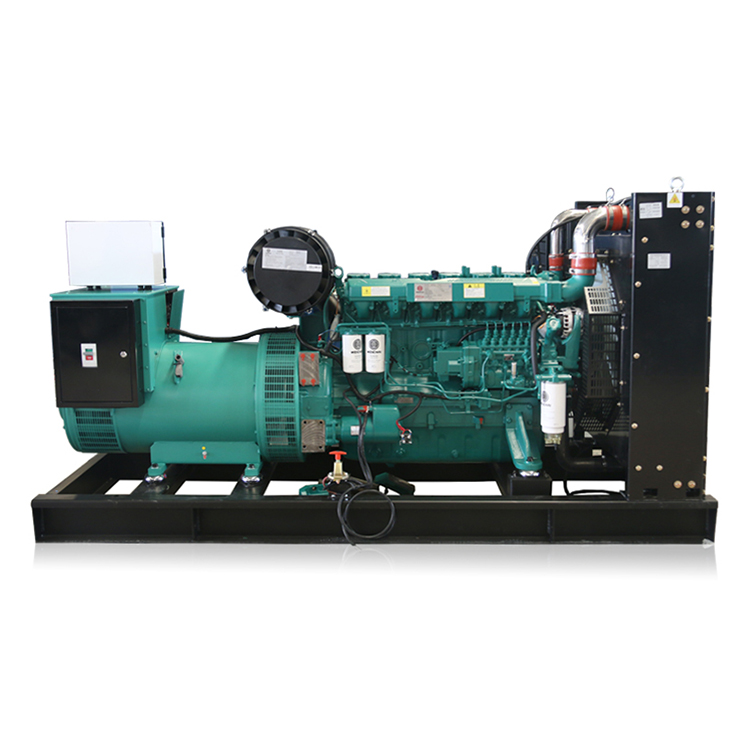
The specifications for 50 amp wire need to be learned because they contain vital information which enables power supply operations for recreational vehicles and outdoor equipment and industrial electrical networks. The selection of wire size determines both system performance and operational safety and efficiency — which establishes fundamental requirements for all electrical systems. This guide covers required wire dimensions, safety requirements, and the various functional uses of 50 amp wiring, giving RV enthusiasts, DIY electricians, and beginners the knowledge needed to make proper choices.
What is 50 Amp Wire?
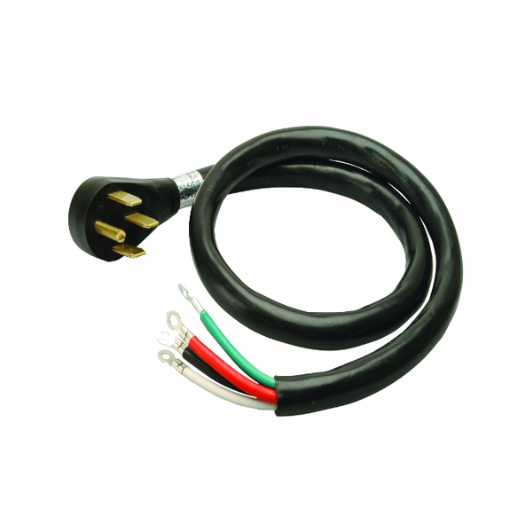
The 50 amp wire functions as electrical wiring that can conduct up to 50 amperes of electrical current. The wire serves applications that need high power requirements which include RV electrical connections and operation of major appliances and various residential and commercial electrical systems. The wire uses copper or aluminum conductors which receive proper insulation to achieve safety compliance. The proper selection and installation of 50 amp wire allows power transmission to operate efficiently while protecting against both overheating and electrical risks.
Definition of 50 Amp Wire
The 50 amp wire operates as an electrical conductor which enables its safe performance at maximum capacity of 50 amperes — equal to 12,000 watts of power consumption at 240 volts. This wire type serves as a standard solution for electricity-heavy requirements which power RVs, big appliances, electric vehicle chargers, and subpanel systems.
⚡
Key Gauge Requirements
The American Wire Gauge (AWG) standard requires 8 AWG copper wire or 6 AWG aluminum wire to transport 50 amps across brief distances. For wire runs beyond 50 feet, use 6 AWG copper or 4 AWG aluminum to ensure consistent power delivery while preventing overheating.
The wire’s safety and suitability for specific scenarios also depend on its insulation type — including THHN (Thermoplastic High Heat Nylon-coated) and XHHW (Cross-Linked High Heat Waterproof). The National Electrical Code (NEC) establishes the necessary standards which need to be followed to achieve proper installation and use.
Importance of Wire Size in Electrical Systems
The selection of appropriate wire dimensions becomes essential for maintaining electrical system safety while achieving operational effectiveness. The use of correct wire dimensions results in decreased power loss, protection against overheating, and an extended lifespan of electrical equipment.
Current Carrying Capacity
Each wire gauge has a specific current limit it can safely conduct. A 12-gauge wire usually supports 20 amps while 10-gauge wire operates safely at 30 amps.
Voltage Drop
When wires become undersized for the distance requirements, their increased resistance creates a substantial voltage drop problem. Equipment operates inefficiently when voltage drop exceeds 3 percent.
Heat Dissipation
Wires that are undersized produce excessive heat which can destroy insulation and create fire risks. Proper wire sizing enables effective thermal control throughout the system.
Compliance with NEC Standards
Safe electrical installations need wire sizing to comply with NEC guidelines. This prevents penalties, maintains building code requirements, and establishes trustworthy systems.
Equipment Compatibility
The use of correct wire dimensions guarantees that equipment will operate properly, protecting devices from early failure and ensuring a long-lasting, safe electrical system.
Common Applications of 50 Amp Wire
The 50 amp wire serves an essential function in multiple electrical systems because of its ability to carry high current loads. Below are five typical uses of this product:
- RV and Camper Power Connections — Recreational vehicles and campers use 50 amp wire to create dependable power connections which operate their entire electrical systems, including air conditioners, refrigerators, and other technology that requires high current.
- Residential Electric Ranges — Electric ovens and ranges need 50 amp wire to deliver their required power because these devices require high electricity capacity, ensuring safe and efficient operation for cooking and baking.
- Subpanels in Homes or Garages — The installation of subpanels in various property areas requires 50 amp wire, enabling secure electrical transmission through multiple power distribution channels.
- Hot Tubs and Spas — Hot tubs and spas need a 50 amp electrical connection to operate their heating systems, pump systems, and lighting systems which all require high electricity usage.
- High-Powered Tools and Equipment — Industrial or workshop spaces need 50 amp wire to provide electricity for power tools such as welders and compressors that need strong and dependable electrical connections.
Choosing the Right Wire Size for 50 Amp Applications
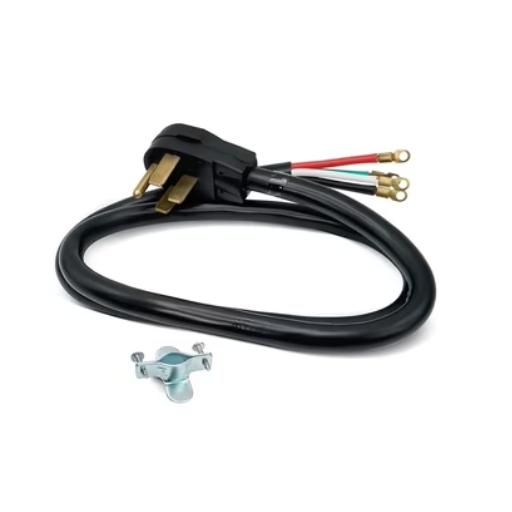
The correct wire size selection for a 50 amp application needs to be done because it impacts safety, efficiency, and electrical code compliance. The American Wire Gauge system recommends 6-gauge copper wire and 4-gauge aluminum wire as the appropriate wire size for most 50 amp applications.
Factors to Consider
- Conductor Material: Copper provides superior electrical conductivity, extended durability, and capacity to endure high temperatures. The 6-gauge copper wire can safely carry 50 amps during most operating conditions. Aluminum serves as an inexpensive, lightweight alternative — but requires a 4-gauge wire due to lower conductivity.
- Distance or Length of the Wire: Wire lengthening creates more significant voltage decrease. The NEC recommends increasing wire size when electrical runs reach 100 feet or more to maintain voltage drop below 3%.
- Ambient Temperature: Wire current-carrying capacity experiences decline when exposed to elevated temperatures. Operating in hot weather or tight spaces requires adjustments to wire size according to environmental conditions.
- Insulation Type: The insulation type establishes the maximum temperature limit the wire can endure. THHN wire is a popular choice because it permits operation at elevated temperatures while maintaining its structural integrity.
Wire Sizes for 50 Amp Applications
| Application Condition | Copper Wire Size | Aluminum Wire Size |
|---|---|---|
| Standard Circuit (Short Run, ≤50 ft) | 6 AWG | 4 AWG |
| Long Run (>100 feet) | 4 AWG | 2 AWG |
| High Ambient Temperature | Upsize by 1 Gauge | Upsize by 1 Gauge |
⚠️ Always reference local electrical codes and consult a licensed electrician to determine exact wire size requirements for your specific needs.
Understanding AWG in Wire Selection
The American Wire Gauge (AWG) system provides a standardized method for measuring electrical wire diameters. The gauge number measures wire thickness — higher gauge numbers indicate thinner wires than lower gauge numbers. A 10 AWG wire has greater thickness than a 14 AWG wire. Wire thickness determines electrical current capacity (ampacity), which is critical when establishing circuits for heavy electrical loads such as a 50-amp circuit.
Key AWG Facts
Current-Carrying Capacity by Gauge
- 10 AWG
Suitable for circuits requiring up to 30 amps - 8 AWG
Commonly used for circuits handling up to 40 amps - 6 AWG
Recommended for 50-amp circuits to ensure safe operation and reduce heat buildup
- Voltage Drop: Thicker wires (lower AWG numbers) help minimize voltage drop. For a 50-amp circuit, 6 AWG is recommended for distances up to 50 feet; for longer runs, upsizing to 4 AWG may be necessary.
- Wire Material: Copper is the primary choice for residential and commercial wiring due to superior conductivity and thermal resistance. Aluminum wires need to be installed at larger dimensions — 4 AWG aluminum is required for circuits where 6 AWG copper is used.
- Insulation and Temperature Rating: Wire insulation needs a rating that suits the temperature and environmental conditions of the application. High-temperature environments require THHN or XHHW materials.
Distance Considerations for 50 Amp Wiring
The selection of wire size for a 50 amp circuit design depends heavily on the distance between the power source and the device. Long-distance voltage drop creates operational problems which result in equipment malfunction and decreased operational efficiency.
| Material | Distance | Wire Gauge |
|---|---|---|
| 🔴 Copper | Up to 50 feet | 6 AWG |
| 🔴 Copper | 50–100 feet | 4 AWG |
| ⚪ Aluminum | Up to 50 feet | 4 AWG |
| ⚪ Aluminum | 50–100 feet | 2 AWG |
- Voltage Drop Limits: The NEC recommends keeping voltage drop under 3% for branch circuits to maintain efficiency. Choose thicker wires when running power over extended distances to decrease energy waste.
- Copper vs. Aluminum Wires: Copper wires conduct electricity better than aluminum — making copper the better choice for long-distance transmission. Aluminum costs less but requires larger gauges due to higher resistance.
- Special Considerations for Aluminum Wire: Aluminum wire requires thicker gauges for circuits longer than 50 feet due to higher electrical resistance — 4 AWG or 2 AWG wire should be used.
Types of 50 Amp Wire
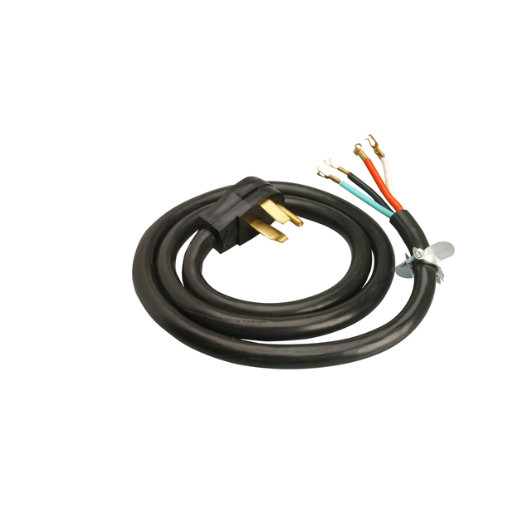
To find suitable wire for a 50 amp circuit, three elements need to be studied: application needs, wire material characteristics, and environmental conditions. Below are the common wire types which can safely carry 50 amp current.
TYPE 1
Copper Wire
Copper metal serves as an exceptional electrical conductor, making it the preferred material for most electrical wiring applications. The standard wire gauge needed to create a 50 amp circuit requires 6 AWG copper wire. Copper wires can transmit electricity over extended distances without overheating while maintaining lower voltage drops than aluminum wires.
✅ Key Characteristics
- High electrical conductivity
- Anti-corrosion properties
- Works for indoor and outdoor use with proper insulation
🔧 Typical Applications
- Residential appliances and AC units
- Subpanels
- Industrial machinery
TYPE 2
Aluminum Wire
Aluminum wire offers a cost-effective solution through its lightweight design while maintaining lower electrical conductivity than copper, which requires larger diameter wires to transmit identical electrical currents. The minimum requirement for a 50 amp circuit is 4 AWG aluminum wire; 2 AWG or larger when the distance exceeds 50 feet.
✅ Key Characteristics
- Lightweight and cost-effective
- Needs aluminum-rated connectors to stop corrosion
- Higher vulnerability to chemical interactions vs copper
🔧 Typical Applications
- Outdoor environments
- Main service entrance wires
- Feeders over long distances
TYPE 3
THHN / THWN Wire
THHN (Thermoplastic High Heat-Resistant Nylon-Coated) and THWN (Thermoplastic Heat and Water-Resistant Nylon-Coated) serve as specialized insulation materials which protect copper and aluminum electrical wires. These wiring systems operate at full capacity for 50 amp circuits across different locations.
✅ Key Characteristics
- Withstands temperatures up to 90°C
- THWN provides outdoor water protection
- Works properly installed through conduit systems
🔧 Typical Applications
- Outdoor wiring within conduit
- Industrial or commercial buildings
TYPE 4
Underground Feeder (UF) Wire
UF wire is the most suitable option for outdoor applications which require underground installation. The system enables direct burial installation without conduit requirements, making it a practical method to deliver electricity for garages, outdoor workshops, and pools.
✅ Key Characteristics
- Moisture-protected insulation
- Available in copper and aluminum
- Meets requirements for underground applications
🔧 Typical Applications
- Outdoor separate structures
- Landscaping equipment
- Swimming pool systems
Copper vs. Aluminum Wire for 50 Amp Applications
The evaluation of copper versus aluminum wire performance for 50 amp circuits needs to consider their physical properties, operational advantages, and their specific use cases. The comparison below offers complete information to help you select your preferred material.
| Factor | 🔴 Copper | ⚪ Aluminum |
|---|---|---|
| Conductivity | ✅ Superior — lower resistance, less voltage drop | ⚠️ Good, but thicker wire needed for same performance |
| Durability & Strength | ✅ Outstanding — resists bending/thermal expansion | ⚠️ More vulnerable to physical damage |
| Cost | ⚠️ Higher initial cost | ✅ More economical — ideal for large-scale projects |
| Corrosion Resistance | ✅ Excellent — maintains conductivity over time | ⚠️ Oxidizes — requires anti-oxidation compound |
| Weight & Installation | ⚠️ Heavier — harder to handle on long runs | ✅ Lightweight — easier to handle and install |
📝 Summary
The decision to select either copper or aluminum for 50 amp applications depends on the particular requirements of your project. Copper provides better electrical conductivity, material strength, and resistance to corrosion but comes with increased expenses and heavier weight. Aluminum, which costs less, provides an easier solution for extensive projects despite its lower conductivity and strength. Always contact an electrician or specialist to help select the correct material for your specific application.
Different Insulation Types for 50 Amp Wire
The appropriate insulation type for 50 amp wire must be selected through assessment of environmental conditions, electrical requirements, and essential safety standards. Below are five typical insulation types which electricians use for 50 amp wire installations.
| Type | Key Details | Typical Applications |
|---|---|---|
| THHN | Nylon jacket for abrasion/chemical protection. Up to 194°F (90°C) in dry environments. | Conduit wiring in indoor spaces, dry locations, machine tools |
| XHHW | Cross-linked polyethylene; superior moisture and heat resistance. 75–90°C for wet/dry use. | Industrial environments, underground systems, high-moisture areas |
| UF-B | Underground direct burial. Strong insulation protects against moisture and soil contaminants. | Outdoor residential lighting, outbuilding power |
| SE Cable | Thick insulation for harsh weather. Resistant to sunlight and various weather conditions. | Service entrance points, overhead power distribution systems |
| MTW | Flexible, heat resistant to 194°F (90°C). Designed for industrial equipment. | Industrial panels, machine tools, appliances |
THHN vs. THWN: A Closer Look
Electrical installations commonly use both THHN and THWN wires because they provide long-lasting durability and multiple usage options while meeting required safety standards. The primary difference between the two is their capacity to resist moisture.
THHN Wire
- Dry: up to 194°F (90°C)
- Damp: up to 167°F (75°C)
- Voltage Rating: 600V
- Best for dry/slightly humid environments
- Use in conduit — industrial and residential
THWN Wire
- Dry: up to 194°F (90°C)
- Wet: up to 167°F (75°C)
- Voltage Rating: 600V
- Suitable for flooded or outdoor areas
- Use in underground conduit, irrigation systems
💡 Modern THHN wire often carries a dual THHN/THWN rating, providing the benefits of both wire types in a single product.
🏛️ Safety Standards & Compliance
- THHN and THWN wires meet National Electrical Code (NEC) standards and carry Underwriters Laboratories (UL) certification under UL 83.
- Both wire types use thermoplastic insulation (PVC) for fireproof and chemical-resistant protection. The nylon jacket provides additional abrasion protection.
- These conductors meet RoHS regulations, prohibiting the use of harmful substances such as lead and mercury.
- The NEC requires branch circuits to maintain voltage drop levels below 3%. Use online calculators or the NEC handbook to identify the best wire solution for your needs.
NEC Regulations for 50 Amp Wiring
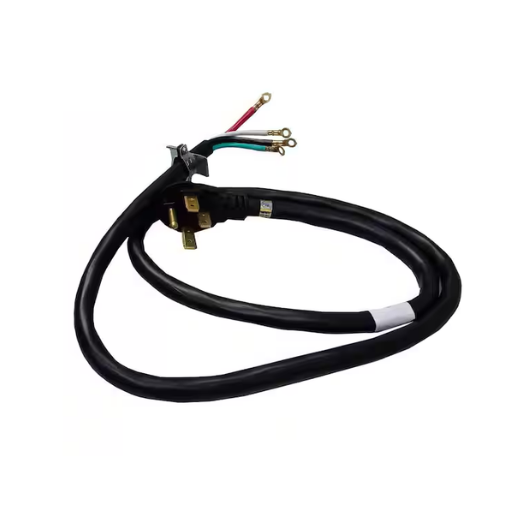
The National Electrical Code (NEC) requires compliance during 50 amp wiring system installation to ensure both safe operation and correct system function. The NEC specifies 6 AWG copper wire or 4 AWG aluminum wire as the correct wire size for a 50 amp circuit. These chosen wire sizes handle heavy electrical loads without creating dangerous temperature increases.
- NEC Article 310 provides ampacity ratings for conductors based on insulation type and surrounding temperature conditions. Installations commonly use THHN or THWN copper wires because they provide high thermal resistance and can safely carry 50 amps at the required temperature range.
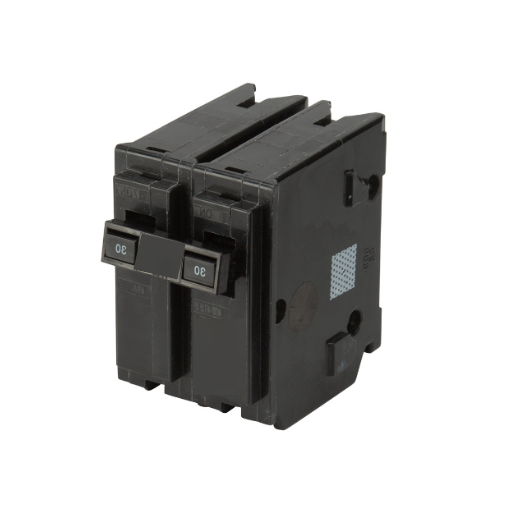
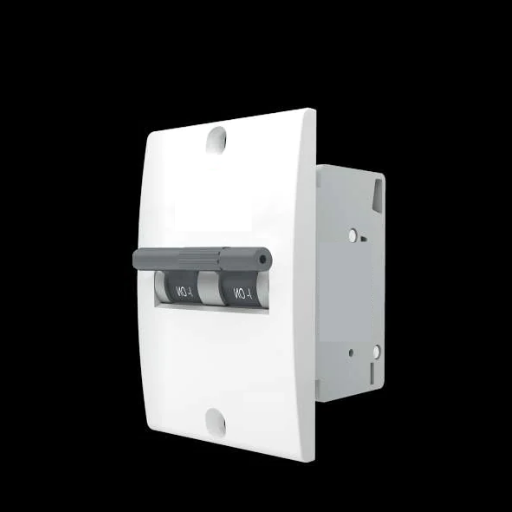
- Double-pole circuit breaker requirement: NEC standards mandate that a 50 amp circuit must have a double-pole circuit breaker which controls both voltage and current flow — particularly for applications requiring 240 volts such as electric ranges, RV connections, and large air conditioning systems.
- NEC Article 250 grounding conductors must be present to protect against electrical shock and secure the safety of circuit operations.
- Derating conditions: Contractors need to evaluate derating conditions which occur when multiple wires get bundled together or conductors operate in elevated-temperature environments. The NEC adjustment tables require wire ampacity to decrease when temperatures exceed 86°F.
Importance of Proper Breaker Size for 50 Amp Circuits
The proper breaker size must be implemented to maintain safety protection, equipment preservation, and system performance for a 50 amp electrical circuit. Selecting the wrong breaker will result in equipment overheating, fire threats, and complete system breakdown.
- Prevention of Overheating: The correct breaker size protects circuit wiring and connected devices from overheating. A breaker that is too large will not activate during dangerous current levels, leaving wires unprotected.
- Compliance with NEC Standards: The NEC requires a 50 amp circuit to have a 50 amp breaker which meets all safety requirements.
- Protection of Connected Equipment: The proper breaker sizing ensures all connected electrical devices and appliances are protected. An oversized breaker fails to operate during electrical faults, causing excessive current and equipment damage.
- Enhanced System Longevity: The correct breaker size protects all circuit components from excessive operational demands, extending lifespan for both the electrical system and connected appliances.
- Prevention of Nuisance Tripping: An undersized breaker will activate its tripping mechanism too often because it cannot handle standard operational loads — resulting in operational disruptions and equipment downtime.
Safety Tips When Working with 50 Amp Electrical Systems
Operators must maintain safety protocols throughout their work with 50 amp electrical systems because these rules safeguard against potential accidents while protecting both their safety and the integrity of equipment.
Installation Considerations for 50 Amp RV Outlets
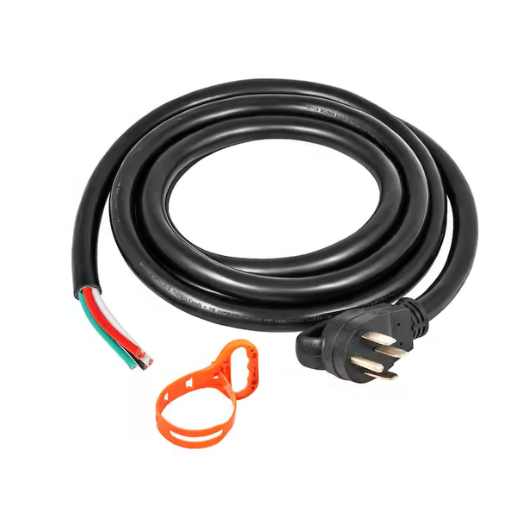
The installation of a 50 amp RV outlet requires multiple essential elements which must be examined to achieve safe operations, regulatory compliance, and correct system performance.
Key Installation Considerations
- Correct Wiring Size: A 6-gauge wire is required for the 50 amp outlet because it provides safe current handling capacity. Using wires that do not meet size requirements creates high fire hazards and electrical system failures.
- Proper Circuit Breaker Rating: Install a 50 amp double-pole circuit breaker to manage the electrical load while protecting against overloads and short circuit incidents.
- Grounding and Bonding: The electrical system needs proper grounding to stop electrical shocks and equipment failures. The outlet must meet all local electrical code requirements.
- Weatherproof Outlet Cover: Outdoor outlets require installation of weatherproof covers which protect them from rain, snow, and debris — reducing electrical hazards from moisture exposure.
- Compliance with Local Electrical Codes: The installation must follow both NEC and local regulations. Engage licensed electricians to prevent legal issues and safety risks.
Step-by-Step Installation Guide
Determine the Outlet Location
Select a site that offers convenient access to your RV parking space while providing protection from heavy rain and direct sunlight. The location should be near your RV’s power cord reach but should not obstruct any walkways or driveways.
Gather the Necessary Materials and Tools
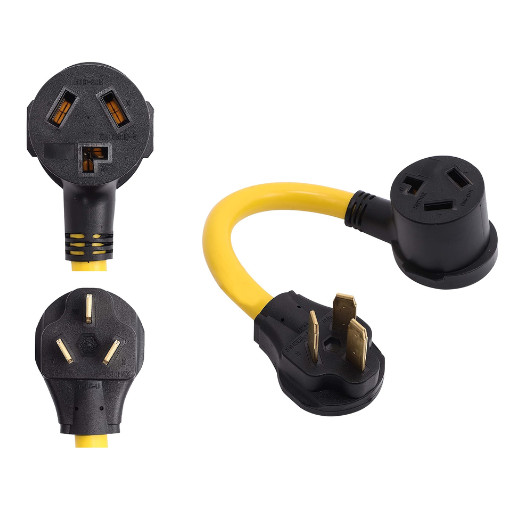
- 50 Amp RV outlet — NEMA 14-50 receptacle
- Weatherproof outlet box and cover
- 6-gauge THWN or THHN wires (hot, neutral, and ground lines)
- Double-pole 50 Amp circuit breaker
- PVC conduit and fittings (for outdoor installations)
- Drill, wire stripper, voltage tester, and conduit bender
Turn Off the Power
Cut power at the main breaker panel before work starts to avoid electrical accidents. Confirm that no current exists in the work area using a voltage tester.
Install the Circuit Breaker in the Panel
Open your breaker panel and install the 50 Amp double-pole breaker. Connect the hot wires (usually red and black) to their proper terminals.
Run Wiring to the Outlet Location
Install 6-gauge wire through PVC conduit to safeguard wires for outdoor or underground installations. Conduit should be fastened securely — running underground sections at 18 inches depth.
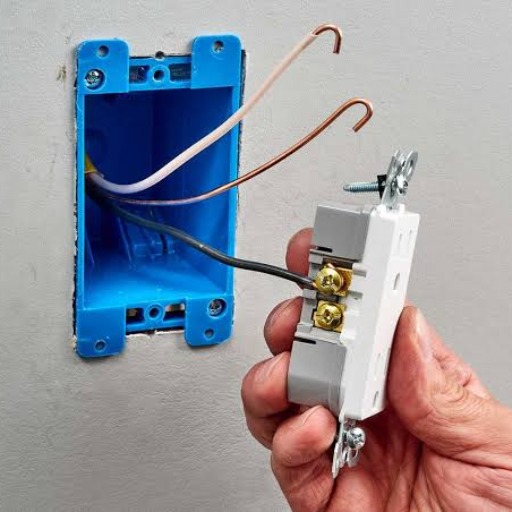
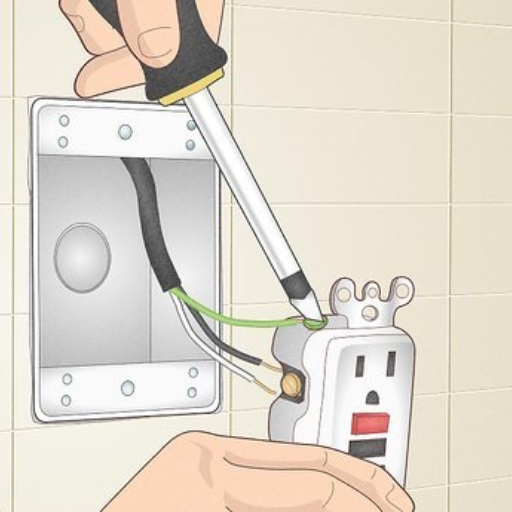
Connect Wires to the NEMA 14-50 Outlet
- Two hot wires (red and black) → brass terminals
- White wire (neutral) → silver terminal
- Ground wire (green or bare copper) → green terminal
Ensure all wire connections are secure — loose wires create arcing hazards.
Mount the Box and Install the Weatherproof Cover
Attach the weatherproof outlet box to a wall or mounting post. Install the outlet into the box, then attach the weatherproof cover to create a moisture and debris barrier.
Test the Connection
Restore power and use a multimeter to confirm that the outlet delivers 240V between hot terminals and 120V between each hot terminal and neutral. Plug in your RV to verify correct operation.
Final Inspection
Hire a licensed electrician to verify the system meets all local building codes. Some areas require permits and inspections before the installation can be considered legally compliant.
Required Components and Estimated Costs
| Component | Details | Estimated Cost |
|---|---|---|
| 50 Amp Outlet (NEMA 14-50) | Four-prong receptacle for most RV connections | — |
| 50 Amp Breaker | Double-pole; match to panel brand (Square D, Eaton, Siemens) | $10 – $30 |
| Outdoor Electrical Box | Weatherproof with hinged cover | $15 – $50 |
| Electrical Wire (6 AWG) | Copper rated wire for 50 Amp service | $1.50 – $2.50/ft |
| Conduit and Fittings | PVC or metal conduit; connectors and clamps | $30 – $50 |
| Wire Connectors & Electrical Tape | Wire nuts and insulation tape | $5 – $15 |
| Voltage Tester / Multimeter | Confirm correct wiring and outlet configuration | $10 – $25 |
| Ground Rod (if needed) | Required in locations lacking an established ground system | $15 – $30 |
Common Mistakes to Avoid When Installing 50 Amp Wire
Frequently Asked Questions (FAQ)
📚 References
- American Wire Gauge (AWG) & Metric Gauge Wire Sizes — University of Illinois. Detailed information about wire gauge standards, including 50-amp wire specifications. Source: University of Illinois
- Chapter 6 Electrical Connections — Oregon.gov. Study guide discussing wire sizes for various amperages and authoritative installation guidelines. Source: Oregon.gov
- Wire Size vs Breaker Size — University of Pittsburgh. Explains the relationship between wire size and breaker size, including the requirements for 50-amp circuits. Source: University of Pittsburgh