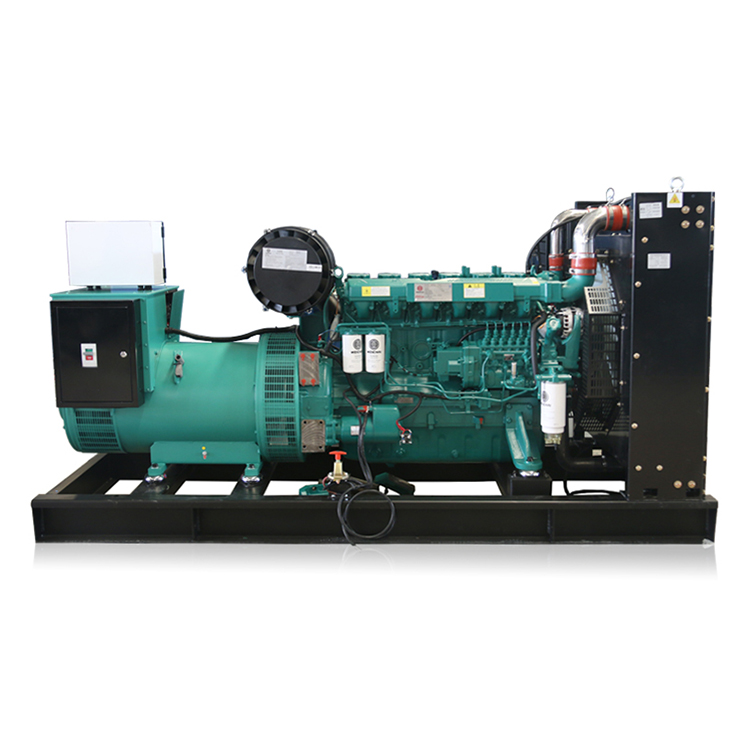
Electrical system management needs proper wire size selection because it serves two important functions which protect users from danger while enabling systems to operate at their highest performance level. A 50-amp circuit requires specific wire gauge selection, which functions as an essential safety measure that protects against overheating, circuit damage, and dangerous electrical fires. This blog post is here to guide you through the essentials of choosing the correct wire size for a 50-amp load. The study will examine wire-gauge requirements, material specifications, and environmental conditions that affect decision-making. Basic wire sizing knowledge gives you the power to choose electrical components for your RV upgrade, appliance installation, or heavy-duty project. The article provides readers with an organized method to acquire complete understanding of the subject matter.
Understanding 50 Amp Wiring Requirements
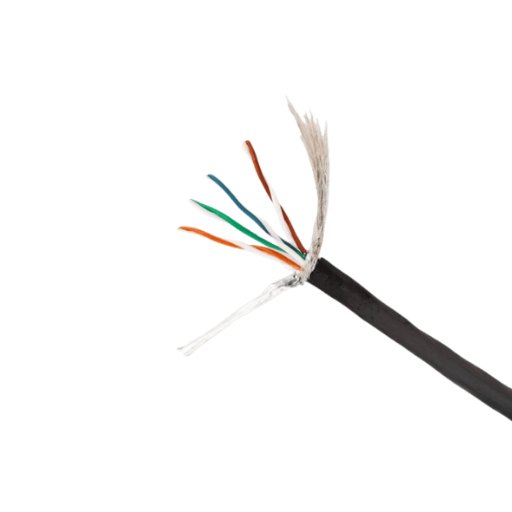
For a 50 amp circuit, it is essential to use a wire gauge that can handle the current safely and efficiently. The recommended wire size for a 50 amp load is 6 AWG copper wire or 4 AWG aluminum wire. Copper wire is generally preferred for its superior conductivity and durability, but aluminum wire can also be a cost-effective alternative if properly installed. The installation requires wires that meet both voltage and current needs which must match local electrical code standards. The correct wire size selection will reduce both safety risks and problems caused by overheating and voltage drops.
Importance of Proper Wire Gauge for 50 Amps
The correct wire gauge needs to be used for a 50-amp circuit because it affects efficiency and safety and meets electrical standards. The system’s performance and safety will be compromised when operators select incorrect wire sizes because their choice leads to two problems which include overheating and voltage drops and two fire hazards. The correct wire gauge needs to be chosen because it provides five essential benefits to the selection process.
Avoid Overheating
Wires become too hot when people use them below their required size to handle 50-amp electrical loads. Excessive heat degrades wire insulation which leads to short circuits and electrical fires that create dangerous conditions.
Minimize Voltage Drops
The system experiences voltage drops because users selected an incorrect wire gauge which leads to performance issues and equipment failures that occur before their expected end of life.
Ensure Compliance with Electrical Codes
Electrical codes at both the national and local levels establish specific wire sizes needed for different amperages to ensure system safety and operational reliability. The codes establish both legal obligations and industry best practices for organizations to follow.
Improve System Efficiency
System efficiency increases when engineers choose the correct wire size because it decreases circuit resistance which lets energy flow through the system. The system achieves better performance because this process reduces energy waste and makes the system work more effectively.
Extend Equipment Longevity
The use of correct wire size provides stable power delivery which protects devices and appliances from electrical problems that cause equipment damage and extends their operational lifespan.
Safety Standards and NEC Compliance for 50 Amp Circuits
The National Electrical Code (NEC) establishes safety standards which must be followed when working with 50 amp circuits. The NEC establishes strict requirements which guarantee that systems operate safely and efficiently in residential and commercial as well as industrial environments. The following section presents essential elements together with their associated requirements:
📌
NEC Updates and Local Codes
The National Electrical Code requires continual updates because its revisions occur every three years. The National Electrical Code needs to be followed, but local electrical codes may require specific standards that electrical professionals should verify through consultation. The 50 amp circuits will maintain safe and efficient operations when the guidelines together with NEC regulations are executed. The 50 amp circuits will deliver dependable power to your devices or systems while minimizing operational hazards.
Common Uses for 50 Amp Wire Size
The 50 amp wire size is commonly employed in various applications because it can handle heavy electrical loads. The following list contains five typical applications of this technology.
-
🚐RV Power Supply
Recreational vehicles require 50 amp service because they operate multiple appliances which include air conditioners and refrigerators and entertainment systems to maintain energy supply during travel and when parked at campgrounds. -
🏠Residential Subpanels
The residential space needs 50 amp wire to connect its subpanels which extend through detached garages and workshops and all other parts of the electrical system to deliver power to tools and equipment. -
🍳Electric Ranges and Ovens
Electric ranges and ovens require a 50 amp circuit because they consume high power levels for cooking and baking their food at maximum temperatures. -
🚗EV Charging Stations
Home electric vehicle charging stations use 50 amp circuits to enable faster Level 2 charging which decreases the time required to complete a vehicle battery charge. -
🛁Hot Tubs and Spas
Hot tubs and spas need a 50 amp installation to operate their heating systems and jet pumps and all other functions because this enables users to access constant performance and comfort.
Wire Gauge and Ampacity for 50 Amp Circuits
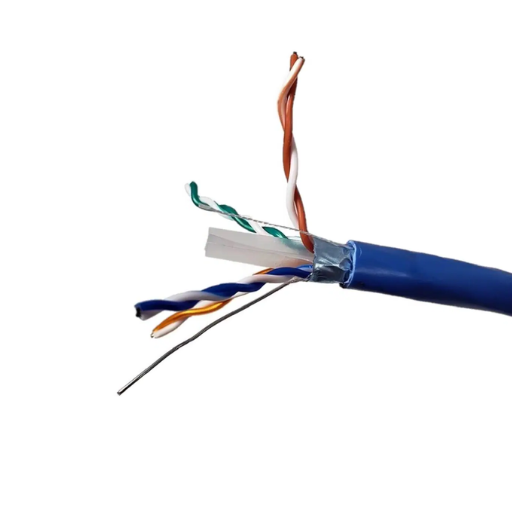
To install a 50 amp circuit, you need to select the correct wire gauge and understand ampacity because these two factors will determine both safety and operational efficiency and compliance with electrical codes. Ampacity refers to the maximum amount of electrical current a conductor can carry without overheating. The appropriate wire gauge is determined based on the ampacity and the distance the current needs to travel.
Recommended Wire Gauge
The standard wire gauge for a 50 amp circuit requires the use of 6 AWG copper wire. This specification provides sufficient capacity to safely handle the current while minimizing the risk of overheating. If electrical work involves aluminum wire installation, 4 AWG wire serves as the proper recommendation because aluminum wire requires larger gauge wiring to achieve the same conductivity as copper wire.
Factors Influencing Wire Selection
- Distance: The distance to complete the circuit path. Longer circuits create voltage drop problems which require thicker wire to operate at optimal efficiency. The best practice requires moving up one wire size to 4 AWG copper or 2 AWG aluminum for distances greater than 100 feet to prevent voltage drop.
- Wire Material: Copper wires are preferred over aluminum because they conduct electricity better and last longer and resist corrosion better than aluminum. Aluminum is chosen for long-distance usage because it offers a cost-effective solution.
- Insulation Type: The type of insulation used on the wire determines its operational capabilities. Common insulation types like THHN or THWN (Thermoplastic High Heat-Resistant Nylon-coated) are rated for both indoor and outdoor use making them suitable for 50 amp circuits exposed to various conditions.
Ampacity Ratings for Different Wire Gauges
Here are the ampacity ratings based on wire material and gauge under typical conditions (75°C/167°F insulation rating):
| Wire Gauge (AWG) | Copper | Aluminum |
|---|---|---|
| 6 AWG | 55 amps | N/A |
| 4 AWG | 70 amps | 55 amps |
| 2 AWG | 95 amps | 75 amps |
The table demonstrates why 6 AWG copper or 4 AWG aluminum is commonly used for a 50 amp circuit, as these options meet the ampacity requirement.
⚠️
Electrical Code Compliance
The National Electrical Code (NEC) requires all installations to follow its rules which include proper grounding and breaker sizing. The connections require secure fastening for safety purposes, and complex installations should be handled by a licensed electrician according to best practices. The correct wire gauge together with ampacity knowledge enables your 50 amp circuit to function safely and effectively throughout its lifespan.
Determining the Correct Wire Size for 50 Amp Applications
The selection of appropriate wire size for 50 amp circuits establishes essential elements which protect system safety and optimize system efficiency and ensure compliance with National Electrical Code standards. A 50 amp circuit supplies power to appliances used in residential ovens and electric ranges and recreational vehicles and electric vehicle charging stations. The process of selecting the correct wire size requires evaluation of these essential elements and their respective factors.
Recommended Wire Gauge
NEC guidelines specify that 6 AWG American Wire Gauge copper wire serves as the standard wire size recommendation for 50 amp circuits except for specific situations. Copper serves as the primary material because its excellent conductivity ensures dependable electrical operation. The 4 AWG aluminum wire exists as an alternative because aluminum costs less but needs bigger wire to carry the same power because of its lower conductivity.
Wire Length and Voltage Drop
Wire size requirements change based on the distance between the power source and the load. The circuit efficiency decreases because longer distances of wiring result in voltage drop through the system. The following methods serve as a solution to this problem:
- The typical requirement for distances up to 100 feet establishes 6 AWG copper wire as adequate for most cases.
- The installation of 4 AWG copper wire becomes necessary for distances exceeding 100 feet because this change reduces voltage drop while decreasing energy consumption.
- The maximum voltage drop should not exceed 3 percent, which becomes especially important for circuits that supply power to delicate electronic devices.
Temperature Ratings
The wire’s ampacity gets determined by the installation location’s ambient temperature conditions. The standard 6 AWG wire works at 55 amps for 60°C, but it provides optimal performance at 50 amps for 75°C and 90°C. The insulation type must match the installation conditions because THHN and THWN represent common insulation types that exist in the industry.
Other Considerations
- Type of Wire: Use stranded wire for flexible applications in mobile or confined spaces, while solid wire performs better in fixed installations.
- Derating Factors: The ampacity reduction results from bundling multiple wires inside a conduit as additional factors which need to be evaluated. The NEC ampacity charts should be consulted to obtain specific calculation details.
- Local Codes: Users should confirm their local regulations and requirements before proceeding with any work.
By correctly determining the wire size and considering all relevant factors, you’ll ensure safe and long-lasting operation for your 50 amp circuit. If in doubt, consult a professional electrician to confirm your setup meets all necessary standards.
Copper vs. Aluminum Wiring: Pros and Cons
| Parameter | 🔶 Copper Wiring | ⬜ Aluminum Wiring |
|---|---|---|
| Conductivity | Highly conductive, minimal energy loss | Less conductive, higher energy loss |
| Weight | Heavier, harder to install | Lightweight, easier to install |
| Cost | Expensive | Cost-effective |
| Durability | Long-lasting, less prone to corrosion | Prone to corrosion and cracking |
| Flexibility | Moderate flexibility | Highly flexible but prone to damage |
| Safety | Reliable, minimal fire risk | Requires proper installation to avoid risks |
| Applications | Homes, power systems, automobiles | Overhead lines, aerospace, large projects |
| Size | Smaller conductors for same capacity | Larger conductors needed |
| Maintenance | Low maintenance | Requires anti-oxidation treatment |
Voltage Drop Considerations for Long Wire Runs
The process of designing extended electricity transmission networks demands careful assessment of voltage loss which serves as a fundamental requirement for maintaining both system efficiency and operational security. Voltage drop occurs when electrical current flows through the resistance of a conductor, causing a loss of voltage by the time it reaches the load. Electrical devices experience operational difficulties because excessive voltage drop causes them to overheat, which creates safety hazards. Here are five essential points which need consideration when evaluating voltage drop for extended wire distances:
Copper conductors have lower resistance compared to aluminum which enables more efficient electricity transmission throughout distance. The more expensive copper material constitutes the better option for extended electricity transmission because it enables operational efficiency maintenance.
Thicker wire which uses a larger gauge reduces electrical resistance because it decreases voltage loss. The required wire size needs to be increased for extended distances because it ensures that proper voltage reaches the load endpoint.
Longer wire distances result in more significant voltage loss. The complete power supply distance must be evaluated as it includes both the load distance and the return distance to determine total resistance which results in voltage reduction.
The increase in current flowing through a conductor causes greater voltage drop throughout its length. The calculation of total amperage which the load requires plays a crucial role in determining the correct wire dimensions needed for peak operational efficiency.
The National Electrical Code (NEC) recommends maintaining a voltage drop of no more than 3% for branch circuits and 5% for feeder circuits combined with branch circuits. The system efficiency and safety standards receive protection through compliance with these guidelines.
The process of decreasing voltage loss for extended wire distances requires you to address these specific factors which will result in maintaining both your electrical system performance and operational reliability. For complex situations, consult an electrician or use voltage drop calculators for precise planning.
Choosing the Right Wire Size for Different Applications
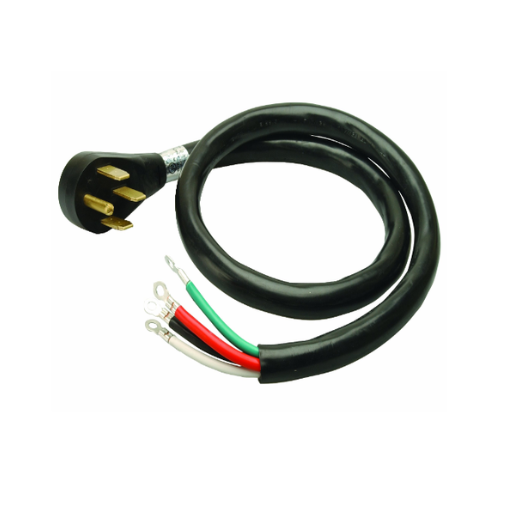
Selecting the appropriate wire size is crucial to ensure the efficiency, safety, and performance of any electrical system. The wire size is determined by the current (amperes) that the circuit will carry, the overall distance of the wire run, and the allowable voltage drop. Below are key factors and guidelines to help you choose the right wire size for different applications:
1. Understanding Wire Gauge Standards
The American Wire Gauge system provides the standard method for measuring wire sizes. The wire thickness increases with lower AWG numbers while the wire capacity increases for carrying current. The following example demonstrates this rule:
- The 14 AWG wire can handle a maximum current of 15 amps.
- The 12 AWG wire supports a maximum current of 20 amps.
- The 10 AWG wire can handle a maximum of 30 amps.
- The 8 AWG wire and bigger wires provide power for major equipment through their use in subpanels and appliances.
2. Applications and Suggested Wire Sizes
The required wire size for each application depends on both its current requirements and the distance of its circuit run:
- Residential lighting circuits require 14 AWG wire while 12 AWG wire serves better for extended circuit distances.
- General-purpose outlet circuits used in kitchens and bathrooms require 12 AWG wire because these outlets need to support 20 amps of current.
- Air conditioning systems and heat pumps need 10 AWG or 8 AWG wire for their electrical connections according to the equipment load and distance requirements.
- Electric vehicle chargers need 6 AWG or larger wiring for circuits that exceed 40 amps.
- Subpanel feeds need 8 AWG wire or larger needs to be used according to the panel’s amperage rating requirements.
3. Voltage Drop Considerations
The length of wire runs determines the point at which voltage drop becomes a critical issue. The NEC establishes voltage drop limits which permit a maximum of 3% voltage drop for branch circuits and 5% voltage drop for feeder circuits that include branch circuits. To prevent excessive voltage drop:
- Use thicker gauge wires for long runs. The 12 AWG wire does not work for a 100-foot run which requires 10 AWG.
- The online voltage drop calculators provide precise estimations. Users should enter wire size current and run length information to find the appropriate gauge.
4. Reference Chart for Common Wire Sizes
The chart below provides a quick reference for wire size, current rating, and maximum allowable length based on a 3% voltage drop (120V system):
| Wire Size (AWG) | Amperage (A) | Max Distance (Feet) |
|---|---|---|
| 14 AWG | 15 | 50 |
| 12 AWG | 20 | 75 |
| 10 AWG | 30 | 100 |
| 8 AWG | 40 | 150 |
| 6 AWG | 55 | 200 |
📌 Additional Resources
The voltage drop calculators and electrician services provide accurate planning solutions which meet your project requirements. The National Electrical Code NEC and all local regulations must be followed at all times to achieve complete compliance and safety. The current rating and distance and voltage drop calculations enable you to select the appropriate wire size which protects your electrical system from hazardous conditions and performance issues.
50 Amp Breaker and Its Requirements
The 50 amp breaker feeds power to high demand equipment which needs power to run electric ranges and central air conditioning and electric vehicle charging stations. Users must comprehend the system requirements for special wiring and installation and operational needs to achieve optimal performance and safe operation.
🔌 Wire Size and Type
The National Electrical Code (NEC) requires that a 50 amp breaker needs at least 6 AWG copper wire or 4 AWG aluminum wire. People choose copper wiring because it conducts electricity better and lasts longer although they sometimes select aluminum wiring when they have budget restrictions. The wiring must have a temperature rating that exceeds 75°C which equals 167°F to use the current without danger.
⚡ Voltage and Power Ratings
The 50 amp breaker functions at 240 volts which supplies 12,000 watts of electrical energy. The equipment requires dependable high power delivery therefore this system provides necessary operating conditions. You need to calculate your circuit’s total load capacity to prevent circuit overloads. The total device connection needs to stay below 80 percent of the breaker’s maximum capacity which equals 40 amps for continuous loads when using the breaker for EV charging purposes.
🔧 Installation Guidelines
The installation of a 50 amp breaker needs to follow these established rules which must be obeyed. GFCI breakers need to be installed in outdoor and wet areas because they deliver Ground Fault Circuit Interrupter protection which improves safety. The breaker box requires both proper grounding and enough room to accommodate its complete equipment. The breaker needs to be tested for compatibility with your panel system because any equipment mismatch will result in overheating and electrical faults.
Common Applications
- Electric Ranges: The current electric stoves require 50 amp circuits to operate their systems according to their design.
- EV Chargers: Level 2 charging stations need a dedicated 50 amp circuit to function properly.
- RV Hookups: Recreational vehicles require 50 amp circuits to power their essential systems which include air conditioning and heating units.
- Welders and Tools: Heavy-duty power tools require dedicated circuits which include welders and other equipment.
Through proper execution the licensed electrician must confirm that installation work meets NEC and local code requirements. The electrical system achieves safe operation through this process which also prevents hazards which include equipment failure and overheating.
Using 50 Amp Wire for RV Hookups and EV Chargers
The installation of 50 amp wire for RV hookups and EV chargers requires power requirements assessment which should be followed by code compliance testing. The 50 amp circuit requires either 6 AWG copper wire or 4 AWG aluminum wire because both options can handle the necessary current while reducing voltage drop during extended distance use.
RV Hookups
The 50 amp service provides 12,000 watts of power for RV hookups which enables modern RVs to run multiple air conditioners and refrigerators because they need high power to function. The National Electrical Code (NEC) requires RV hookups to install NEMA 14-50R receptacles which function as four-prong outlets that deliver two 120-volt legs together with a neutral wire and a ground connection. The correct wire gauge usage protects electrical systems because it maintains safe operation while preventing both overheating issues and breaker trips during heavy load operations.
EV Chargers
A 50 amp circuit enables Level 2 charging stations which provide electric vehicles with charging speeds that deliver 25 to 37 miles of driving range every hour based on their specific car model and battery size. Home electrical systems require dedicated circuits for EV chargers according to manufacturers’ guidelines because dedicated circuits prevent system overloading. The installation process requires consideration of wire length because installations that exceed 100 feet will need larger wire gauges such as 4 AWG copper to maintain proper voltage levels.
💡
The installation process requires compliance with local building codes and NEC standards as the foundation for building code-compliant systems. Outdoor-rated wires become essential for any wiring project that needs to link RV hookups and EV chargers with the outdoor sections of your property. The installation of weatherproof outlet enclosure systems creates a protective barrier which secures the receptacle against hazardous weather conditions. Your electrical system for RVs and EVs will reach maximum safety efficiency and longevity if you select appropriate wires and hire professionals for installation. You should consult a licensed electrician before starting any installation work because they will guarantee that all systems work properly and comply with necessary regulations.
Wiring Heavy Appliances: What You Need to Know
The wiring process for heavy appliances requires complete knowledge of all electrical needs because this information protects people from hazards while verifying compliance with local electrical regulations. The dedicated circuits to protect high power appliances work with dryers ovens air conditioners and water heaters because these devices consume electricity at high levels. Dedicated circuits create protection for electrical systems which operates through their ability to prevent overload conditions and their effectiveness at reducing short circuit incidents and fire hazards.
Voltage Requirements
Heavy appliances in homes need 240-volt electrical power because their operational requirements exceed the capacity of 120-volt standard outlets which smaller devices use. The electric dryer or stove requires a 240-volt outlet that connects two hot wires and one ground wire. The correct outlet type and breaker must be used after you verify the voltage requirements of the appliance.
Wire Gauge and Breaker Size
The correct wire gauge and breaker size selection becomes vital when appliances need higher amperage requirements. A general guideline is:
| Breaker Size | Appliance Examples | Wire Gauge |
|---|---|---|
| 30-amp | Dryers, water heaters | 10-gauge |
| 40-amp | Smaller ovens, cooktops | 8-gauge |
| 50-amp | Larger ranges, ovens | 6-gauge |
Using wires or breakers that have insufficient capacity results in equipment overheating which damages both appliances and electrical systems.
Grounding and GFCI Protection
Complete grounding is necessary to ensure the safety of heavy appliances according to established safety requirements. Most devices come with an included grounding wire that must be properly connected to the panel’s ground bus bar or a grounding rod. The Ground Fault Circuit Interrupter (GFCI) protection must be installed for appliances used in wet and outdoor areas which include pool heaters because it protects against electrical shocks.
Installation Tips and Data
The National Electrical Code (NEC) requires permanent appliances to have a disconnect switch which must be visible for emergency and maintenance purposes. Modern homes require 200-amp service panels because multiple heavy appliances and other electronics need additional power capacity. The market survey showed that about 30% of homeowners who plan kitchen upgrades now ask for professional electricians to rewire circuits which support advanced appliances such as induction cooktops and dual ovens.
👷
Consulting Professionals
The process of installing wiring for heavy appliances requires specialized knowledge which makes it unsafe to try without professional assistance. A licensed electrician will provide NEC code compliance while handling vital aspects of the project which include load calculations and wire sizing and circuit design. The correct installation method will protect the appliance from electrical hazards which helps extend its operational life.
Conclusion: Ensuring Electrical Safety with the Right Wire Size
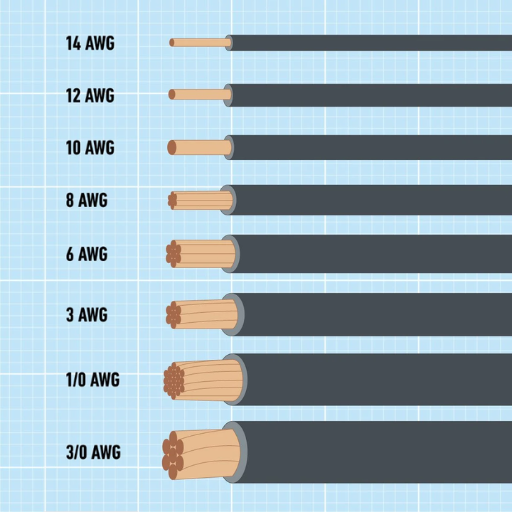
The procedure to set up weighty equipment needs electricians to determine proper wire dimensions which guarantee both safe electricity use and efficient equipment functioning. The National Electrical Code (NEC) requires that the proper wire size needs to match the expected electrical current because this measure protects against temperature rise which creates fire hazards. The standard electrical circuit requires 10-gauge copper wire for 30-amp circuits while 50-amp circuits demand 6-gauge wire. The system will experience multiple problems when users fail to observe these requirements because their actions will create dangerous voltage drops which result in equipment failures and electrical fires.
Power needs from induction cooktops dual ovens and HVAC systems need accurate load calculations during planning to establish proper requirements for heavy-duty equipment installation. The distance between the power source and the appliance determines wire size requirements because longer distances lead to higher voltage losses. The circuit that requires a 100-foot distance needs wire gauge changes to sustain operational stability through all system components.
Recent research findings highlight that grounding systems and high-quality materials need to be used when constructing electrical systems because copper wires provide superior conductivity and durability compared to aluminum wires. The current electrical system now uses circuit breakers which protect the system and work together with properly sized electrical wires. The best way to ensure your property and appliances remain protected while complying with NEC standards is to work with a licensed electrician. Homeowners and businesses can establish secure and effective electrical systems that provide maximum performance through risk-based methods when they comprehend specific elements needed for successful system installation.
Summary of Key Points
🔥 Proper Wire Sizing and Safety
The process of selecting the appropriate wire size functions as an essential safety measure which helps prevent electrical fires that occur due to overheating. The National Fire Protection Association (NFPA) reports that electrical problems in homes across the United States lead to approximately 51,000 residential fires every year which makes it essential to follow NEC standards.
🔌 Modern Circuit Breaker Technology
Modern circuit breakers now include advanced safety features which include arc-fault protection and ground-fault protection systems that identify dangerous electrical pattern breaches. Data shows that homes using AFCI (Arc Fault Circuit Interrupter) breakers experience a significant reduction in fire risks related to electrical malfunctions.
👷 Consulting Licensed Professionals
A licensed electrician ensures all building codes plus safety standards receive proper compliance through their work. Homeowners who hire professionals for major electrical installations report higher satisfaction rates which Houzz research found to reach 65% in a 2023 study.
📊 Efficiency and Risk Mitigation
The establishment of a dependable electrical system requires the implementation of correct practices which include routine system checks and the use of top-notch electrical materials. The U.S. Department of Energy suggests that maintaining an efficient setup can reduce energy consumption by up to 25% which helps meet both environmental and safety requirements.
Business owners and homeowners can create secure and permanent electrical systems through the application of these techniques which combine advanced technology with professional expertise.
Call to Action: Consult a Professional for Your Wiring Needs
All buildings need electrical wiring because it delivers both basic safety functions and essential energy-saving capacities and required building operations. The installation of wiring systems becomes dangerous when technicians use outdated wiring materials or perform their installation work incorrectly. The National Fire Protection Association (NFPA) documented that electrical failures or malfunctions which caused U.S. home fires between 2015 and 2019 resulted in the second highest number of incidents which shows why people need to hire professionals for their installation work and system upkeep.
The National Electrical Code (NEC) compliance assessment which licensed electricians conduct provides homeowners and businesses with expert knowledge about current safety standards. The implementation of smart circuit breakers and energy-efficient wiring together with advanced diagnostic tools creates a system that delivers both enhanced operational reliability and decreased energy expenses. The U.S Department of Energy reports that when homeowners update their houses with modern energy-efficient wiring systems than their energy use decreases by about 20 percent.
Contact a reputable professional who will evaluate your electrical system to ensure it meets safety standards and modern requirements because safety and efficiency should never be compromised. Your electrical system will achieve higher safety and better sustainability when you follow expert advice about dependable systems that last for many years.
Frequently Asked Questions (FAQ)
References
- Ampacity Charts – Provides detailed ampacity charts for various wire sizes and materials.
- 50 amp feeder wire size – Discusses wire size requirements for 50 amp circuits, including NEC guidelines.
- Factsheet: Wire Size and Ampacity – Explains wire size and ampacity relationships for different circuit breakers and applications.