Understanding Circuit Breakers
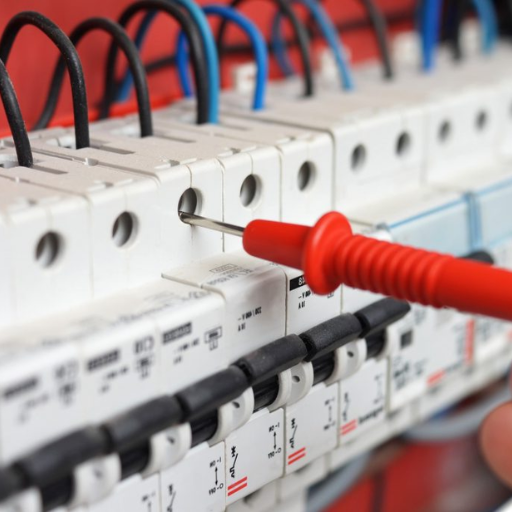
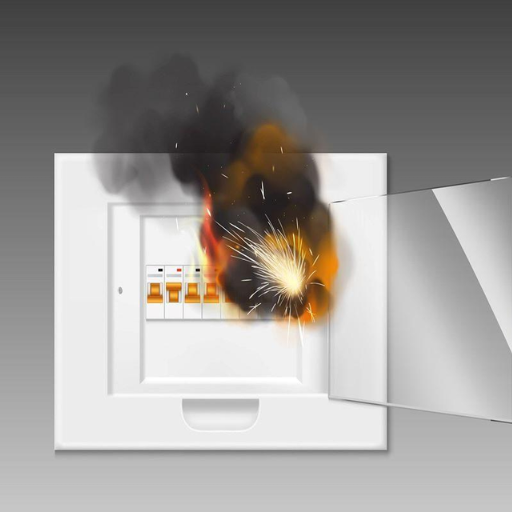
A circuit breaker serves as a protective device which safeguards electrical systems against damage originating from overloads and short circuits. The system stops electrical flow when it detects dangerous situations that include excessive current. The system automatically cuts off power to the electrical system which prevents fires and equipment destruction and other dangerous situations. Circuit breakers function as fundamental elements in contemporary electrical systems because they guarantee safe electricity distribution throughout residential buildings.
What is a Circuit Breaker?
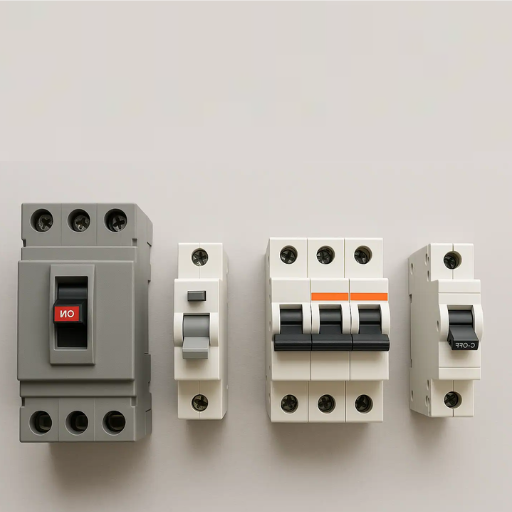
A circuit breaker is an automatic electrical switch which breaks electrical circuits to stop overloads and short circuits from damaging electrical systems when it detects unsafe conditions.
How Circuit Breakers Work
The primary purpose of circuit breakers operates as essential safety equipment which protects electrical systems from potential damage and dangers through automatic electricity interruption. The system starts to operate when it detects two specific types of defects which include an overload and a short circuit. The circuit breaker interrupts the electrical current when it detects these specific conditions.
Modern circuit breakers utilize various mechanisms depending on their design. Thermal circuit breakers use a bimetallic strip which bends when it overheats because of excessive current to activate the disconnection mechanism. The magnetic circuit breaker system uses electromagnetic force which becomes stronger during a short circuit to move a lever which interrupts the electrical connection. Many residential and commercial breakers use advanced design systems which combine thermal and magnetic protection mechanisms.
⚡ Types of Circuit Breaker Mechanisms
- 🌡️ Thermal: Uses a bimetallic strip that bends when overheated due to excessive current, activating the disconnection mechanism.
- 🔩 Magnetic: Uses electromagnetic force during a short circuit to move a lever and interrupt the electrical connection.
- 🔁 Thermal-Magnetic (Combo): Advanced systems combining both thermal and magnetic protection mechanisms — common in residential and commercial breakers.
Circuit breakers play a vital role in stopping electrical fires because they protect electrical equipment from damage according to statistical data. The Electrical Safety Foundation International (ESFI) reports that more than 51,000 home electrical fires occur each year across the United States. The fires result in approximately 500 fatalities and 1.3 billion dollars worth of damage to properties. The majority of such incidents that occur in residential areas happen because homeowners maintain defective electrical systems which have been in use for several years. The installation of modern circuit breakers which include advanced detection systems with precise sensors enables substantial risk reduction because they can identify hazardous currents and interrupt them within a fraction of a second.
The smart circuit breakers represent a new technological development which provides modern electrical solutions. These devices use digital technology to enable users to monitor their systems in real time while they can control their systems from remote locations which increases both safety and energy efficiency. Homeowners receive electrical fault alerts through smartphone applications which some models provide to enable them to respond quickly. The development of these technologies has transformed circuit breakers into essential safety elements which protect electrical systems.
The Importance of Circuit Breaker Repair
The safe operation of electrical systems needs both maintenance work and immediate circuit breaker repairs to maintain operational safety and system efficiency. The need for ongoing testing and repairs exists because a broken circuit breaker introduces electrical fire hazards together with equipment failure and power outages. The five primary reasons which establish the necessity for circuit breaker repair work are presented in this section.
Prevent Electrical Fires
Circuit breakers exist to stop electricity from flowing through circuits whenever an overload or short circuit occurs. The device will cause greater fire hazards because it cannot handle electrical loads according to its design specifications. The device needs repair work because the malfunctioning equipment needs fixing to operate safely.
Enhance Energy Efficiency
The power supply from broken circuit breakers becomes unpredictable which leads to higher energy wastage. The correct operation of energy systems happens through the process of repairing or replacing broken circuit breakers.
Protect Electrical Equipment
Electrical surges create permanent damage to sensitive equipment which includes computers and appliances. The circuit breaker which has been fixed now provides protection to these assets through its ability to stop excessive current flow.
Reduce Unplanned Downtime
Power outages which occur without warning because of breaker breakdowns create major interruptions for both residential and commercial activities. Repairing circuit breakers helps businesses decrease their unplanned interruptions while achieving better operational efficiency through stable production processes.
Ensure Compliance with Safety Standards
The majority of areas enforce strict electrical safety regulations which require proper maintenance of electrical systems. The continuous upkeep together with the necessary repairs of circuit breakers enables organizations to meet established standards which protect them from legal and insurance problems.
Homeowners who make circuit breaker repairs their main objective will achieve better security through their electrical systems while saving costs. Businesses which make circuit breaker repairs their top priority will attain more dependable and economical electrical systems.
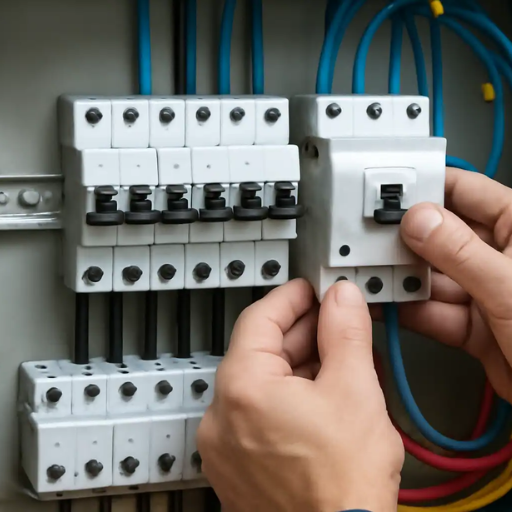
Common Signs of a Faulty Circuit Breaker
- 🔁
Frequent Tripping
The system encounters circuit breaker tripping because three specific factors which include system overload and short circuit and ground fault lead to this problem. This particular issue represents one of the most frequent indicators which show that the breaker has developed a fault. - 💨
Burning Smell from the Breaker Panel
The presence of a burning odor close to the breaker panel functions as an essential warning system which detects hazardous situations. The burning smell shows a breaker has developed an overheating issue which causes its wiring to melt due to continuous electricity flow. - 💥
Visible Signs of Damage
Visible damage to the breaker through cracks and scorch marks and other visible defects creates internal issues. The damage shows two possible explanations which include normal equipment degradation and a recent electrical malfunction. - 🔄
Breaker Will Not Reset
The circuit breaker trips but does not reset because it indicates a fault with either the breaker or the protected circuit. The faulty breakers fail to restore power because they do not function as expected. - ⚠️
Appliances or Outlets Losing Power Intermittently
Your appliances and outlets experience power interruptions which occur without any breaker trip because your breaker system shows signs of malfunctioning or gradual deterioration.
The signs require immediate attention because a faulty circuit breaker creates serious risks which threaten electrical safety.
Identifying Warning Signs
The process of identifying faulty circuit breakers needs to start immediately because the associated problems create concealed risks which require immediate solutions. The United States sees approximately 51,000 electrical fires each year which result from unsafe wiring and defective breakers according to recent research findings. People can use warning signs to safeguard themselves from harmful situations.
Burning Smells Near the Electrical Panel
The presence of burning odors close to your circuit breaker or electrical panel signals that their components have reached dangerous temperature levels. The electrical system experienced two problems which included wiring deterioration and breaker malfunction that failed to protect against a short circuit.
Physical Damage or Scorch Marks
Electrical malfunctions become evident through scorch marks and cracks and burn marks that appear on breakers and outlets. The damaged breaker needs replacement because it presents fire risk.
Frequent Tripping of the Breaker
A circuit breaker that trips frequently, even with normal power usage, might be overloaded or defective. The breaker needs testing because it trips repeatedly without showing any proof of overload.
Buzzing or Humming Sounds
The circuit breaker produces buzzing and humming sounds because of loose connections or internal component damage. The breaker functions under high stress which needs urgent evaluation from a certified technician.
Age of the Circuit Breaker
A circuit breaker typically lasts between 30 and 40 years, although its lifespan depends on the operating conditions. Older breakers lose their operational capacity because they encounter breakdown issues that decrease their functionality. Your home needs an electrical system assessment if you have not made upgrades during the last several decades.
🚨
Take Immediate Action
The immediate resolution of these problems protects both human lives and property from destruction. The safest method to protect your home electrical system requires you to schedule inspections and reach out to licensed electricians whenever you notice electrical system problems.
Understanding Electrical Problems
Residential electrical systems can develop multiple hidden problems which require assistance from trained technicians. According to recent data, some of the most commonly reported symptoms include:
Frequent Circuit Breaker Trips
Circuit breakers are designed to trip when there is an overload or short circuit in the system. The breaker will trip frequently because the electrical system operates beyond its capacity or there is a specific problem that requires repair. Studies show that overloaded circuits are one of the leading causes of electrical fires in residential buildings.
Flickering or Dimming Lights
Light fixtures which flicker or dim their brightness because of wiring problems which include loose connections or damaged wires. The U.S. Fire Administration highlights that faulty wiring accounts for approximately 6.3% of residential fires each year which shows why people need to fix these problems without delay.
Burning Smells or Warm Outlets
A burning smell occurs near outlets and electric panels because electrical components become too hot and create a fire danger. The outlets which emit heat when touched need immediate attention because they indicate either too much power consumption or broken electrical circuits between wires.
Sparks or Arcing
Sparks or arcing noises when plugging in or using appliances serve as urgent danger signals. These incidents can happen because of outlet damage or connection problems which create a fire risk when not fixed.
Unexplained High Energy Bills
The electricity bills show an unexpected increase because the household has faulty appliances and its wiring needs replacement and its electronics use energy while in standby mode.
✅ The Importance of Immediate Action
The National Fire Protection Association (NFPA) points out that people must not ignore initial warning signals because this behavior will result in dangerous threats which start from minor problems. The system requires ongoing inspections which licensed electricians must perform to discover all potential system weaknesses before they create expensive damages and safety hazards. Your home will become safer and more energy efficient when you fix these problems. The electrical system of a building needs to comply with current codes because modern systems provide protection for both the building and everyone who enters the structure. People should stay alert and respond immediately when they notice electrical issues.
Repair or Replace: Making the Right Decision
When deciding whether to repair or replace an electrical fixture, appliance, or system, the decision requires assessment of four fundamental elements because they include repair expenses and energy consumption and system security and future operational performance. The US population shows that approximately half of homeowners will replace their outdated appliances when repair costs exceed half of the replacement expenses according to recent findings. The “50 Percent Rule” provides decision makers with a useful guideline to follow. Energy efficiency serves as another crucial element of evaluation. Modern appliances and systems now achieve advanced energy efficiency standards which lead to substantial decreases in power costs during their entire operational period. The U.S Department of Energy reports that upgrading an old HVAC system to an Energy Star-rated model leads to energy savings of up to 30%. The decision-making process needs safety to serve as its basic foundation. The use of exposed wires together with overheating problems and fire dangers establishes hazardous situations which exist in outdated electrical systems and broken electrical devices. The safer choice for replacement happens when repairs fail to resolve the dangerous conditions which exist within the systems. The final assessment requires you to evaluate the system’s long-term reliability together with its performance capabilities. The need for appliance replacement arises when repair needs occur more frequently because the appliance has reached its maximum use capacity. The maintenance costs and lifespan information of your appliance can be obtained through research to assist in making your decision. Your capacity to weigh present expenses against forthcoming benefits leads to the most beneficial choice for your total household situation.
Factors to Consider
The appliance repair and replacement costs require an evaluation which helps people decide between two repair options. The industry standard states that people should select new appliances when their repair expenses reach 50 percent of their original market value. Current research indicates that refrigerator repair costs between $200 and $400 while new refrigerators cost between $700 and $3,000 depending on their features. The established regulation creates a financial assessment system which permits evaluation of present expenses together with upcoming financial obligations.
Appliance Age and Lifespan
Your appliance needs its typical lifespan assessment as your base for choosing replacement options. The average lifespan of most household appliances exists as a reference point which helps you make decisions. Washing machines typically function between 10 to 13 years while dishwashers operate for approximately 9 to 10 years and refrigerators remain functional for a period between 13 to 18 years. The ideal solution for replacing appliances occurs when your appliance reaches its projected lifespan.
Energy Efficiency
Energy efficiency has a significant impact on long-term costs. Energy-efficient appliances from modern production include ENERGY STAR-certified models which help users lower their electricity expenses. Up to $220 in energy savings results from replacing an old refrigerator with an ENERGY STAR model during a five-year period. The current platforms together with their calculators permit users to check their current appliance energy consumption against present day devices.
Environmental Impact
The combination of these factors with appliance information and household requirements enables you to make better choices.
Cost of Circuit Breaker Repair vs. Replacement
| Parameter | Repair | Replacement |
|---|---|---|
| Average Cost | $292–$368 | $100–$375 |
| Labor Cost | $90–$250 | $100–$325 |
| Material Cost | Minimal (existing breaker used) | $10–$50 (new breaker) |
| Time Required | 1–2 hours | 1–3 hours |
| Complexity | Simple fixes | May involve panel upgrades |
| Additional Costs | None typically | Permits: $50–$150 |
| When to Choose | Minor issues, breaker functional | Frequent trips, breaker damaged |
| Long-Term Value | Temporary solution | Safer, more reliable |
Benefits of Professional Circuit Breaker Repair Services
The professional circuit breaker repair services deliver multiple advantages to your business operations. The certified technicians will verify that your electrical system operates at optimal safety and efficiency. The five primary advantages of professional repair services are the following:
- 1.
Enhanced Safety
Electricians obtain their required training for safe work on high-voltage systems which enables them to avoid electrical shocks and fires and other dangerous situations during their repair operations. - 2.
Expert Diagnosis and Repairs
The technicians with advanced skills will find the real cause of circuit breaker issues and develop lasting solutions which will decrease future breakdowns. - 3.
Cost-Effectiveness
The cost of circuit breaker repair work remains less than what needs to be spent for complete unit replacement. The experts will extend your circuit breaker lifespan because their knowledge will generate savings throughout time. - 4.
Compliance with Regulations
The licensed electricians will perform all necessary repairs while ensuring compliance with local and national safety regulations which protects you from potential legal and insurance problems. - 5.
Efficient and Timely Service
Professional repair services complete repairs more quickly because they bring both expertise and specialized equipment needed to restore your system to full operational status without wasting time.
The Circuit Breaker Repair Process
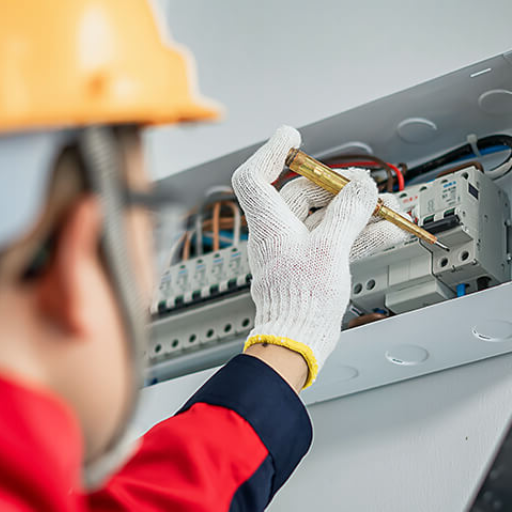
The process of circuit breaker repair needs to follow several necessary steps which create safe operational environments while technicians restore electrical systems according to established standards.
Initial Assessment and Safety Measures
The process of electrical panel repair starts when workers turn off power to the electrical panel to stop potential accidents. A licensed electrician uses diagnostic tools such as a multimeter to prove that the circuit breaker functions as the primary cause of the electrical problem. This step makes sure that problems originate from other components which include wiring faults and overloaded circuits.
Identifying the Problem
The most common problems occur when breakers trip because of overloads or when internal components get damaged or when equipment shows signs of aging. The statistics reveal that more than 60 percent of circuit breaker failures happen because of maintenance issues which include improper maintenance and overheating problems. Experts who possess advanced diagnostic skills need to determine the specific problem so they can execute efficient and accurate repairs.
Replacement or Repair
The technicians will decide between two options for circuit breaker maintenance which include repairing the existing equipment or installing a new system. The team can solve minor problems which include loose connections by tightening the connections to fix the issue. The team should install a new circuit breaker model which meets current safety and performance standards because the existing circuit breaker has reached its end of life due to age and extensive damage. The industry standards require residential circuit breakers to undergo replacement every 30 to 40 years for safety purposes.
Testing the System
Electricians conduct complete system tests after they finish their repair work and component replacements. The procedure requires testing voltage levels and checking the stability of connections and confirming that the breaker functions correctly under specific load conditions. The testing process verifies that the repaired or replaced breaker functions according to safety standards while maintaining efficient operation.
Documentation and Compliance Checks
The final step includes updating service records and performing compliance checks. Licensed electricians ensure complete adherence to local regulations and national codes such as the National Electrical Code (NEC). Proper documentation not only helps maintain legal standards but also fosters trust and accountability.
📊 Data Insight: Circuit breaker repairs, when handled professionally, mitigate risks, prevent further damage, and significantly reduce the chances of electrical fires. Data from safety organizations such as the Electrical Safety Foundation International (ESFI) highlight that proper circuit breaker maintenance can decrease the incidence of electrical fires by up to 25%, underscoring the importance of professional service.
Initial Inspection of the Electrical System
The first assessment of an electrical system serves two purposes which include discovering possible problems and maintaining safety while meeting established safety standards. The complete evaluation process inspects multiple components which include circuit breakers and wiring systems and grounding systems and electrical distribution panels. Research studies from reputable sources show that electrical system failures and malfunctions cause about 40,000 residential fires in the United States every year which underscores the necessity of conducting complete inspections. Electric inspectors use advanced testing equipment which includes infrared thermography to identify overheating connections and find hidden issues which standard methods fail to show.
The inspection process reveals several common problems which include worn-out wiring and circuit overloads and incorrect system implementations. Industry reports show that outdated systems create a major safety risk because they produce electrical hazards in buildings which were constructed more than three decades ago. The process of inspecting all system elements according to local electrical standards and National Electrical Code (NEC) requirements helps to decrease potential hazards. The complete property assessment process protects the building while helping homeowners and business owners achieve sustained electrical safety through established procedures.
Steps in Replacing a Circuit Breaker
Electrical experts need to conduct circuit breaker replacements because both safety requirements and system operation needs require their complete attention. The present process execution steps show complete process details which enable successful execution through full process execution.
Turn Off the Power
All work activities should start only after workers have turned off the main power supply to prevent any potential electrical accidents. The main breaker needs to be turned off at the electrical panel because this method stops all electrical flow when you work on the panel. The voltage tester should be utilized to determine whether electrical power is present in the circuit.
Gather Proper Tools and Equipment
Your work needs insulated tools for safe operation which include a screwdriver and pliers and a voltage tester and a circuit breaker that meets the requirements of the existing circuit breaker. The system needs verification through breaker amperage rating and type verification which confirms system compatibility.
Remove the Panel Cover
The faceplate or panel cover needs to be unscrewed and removed with a screwdriver to reach the circuit breakers. The panel contains dangerous components which need special handling because some parts still have active electrical power.
Inspect the Panel
Use visual assessments to find the malfunctioning breaker. The circuit breaker shows damage through scorch marks and visible damage and the breaker fails to reset. The procedure requires workers to avoid contacting any live components which need protection.
Remove the Old Circuit Breaker
The technician needs to take hold of the old circuit breaker and pull it from its position. System operators should tilt breakers away from the bus bar because this procedure enables them to extract breakers from the system. The technician needs to maintain distance from all active wires and electrical components.
Disconnect Wires from the Old Breaker
The wire terminal screws on the old breaker need to be unscrewed to release the wires. The wire connections need to be memorized or documented to achieve correct attachment of the new circuit breaker.
Install the New Circuit Breaker
The installer needs to attach the wires to the new breaker while making sure that all connections remain intact and follow the original wiring configuration. The new breaker needs to be inserted into its designated slot before the installer presses it down until it fits correctly against the bus bar.
Reattach the Panel Cover
Once the breaker is replaced, carefully reinstall the cover or faceplate of the electrical panel, making sure all screws are tightened securely.
Test the System
The complete system needs to be tested through its main power supply which requires activation of the new circuit breaker. The voltage tester needs to be used to check whether the circuit operates properly while delivering power to its intended destination. The new breaker requires observation throughout its operational period to confirm that it maintains proper function without unnecessary tripping or showing signs of equipment degradation. The ongoing issues should be resolved through consultation with a certified electrician.
📝 Additional Notes and Data
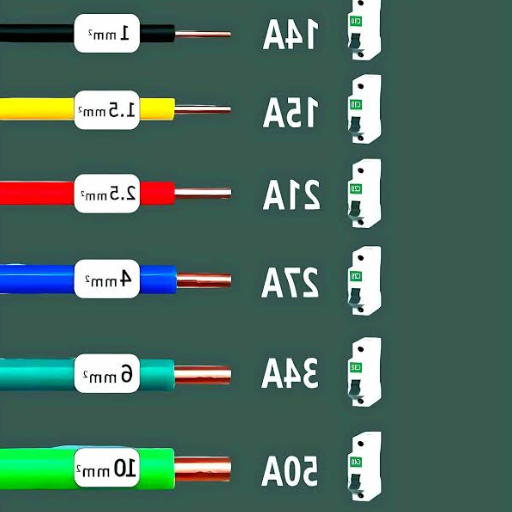
- The breaker selection process requires users to choose a breaker which matches the circuit’s load specifications. Electrical breakers have standard ratings which include 15A and 20A and 30A but users need to check their actual circuit requirements.
- The Age of the Panel requires complete panel replacement for panels which have existed for more than 25 to 30 years because older panels create safety risks.
- The average cost to replace a circuit breaker ranges between $150 and $200 while electrical panel upgrades and larger projects will cost over $1,000 depending on system complexity and local labor rates.
- The first priority for electrical work should focus on safety requirements. A licensed electrician should be contacted to handle the task because it needs specialized knowledge both for code compliance and safety standards.
Post-Repair Safety Checks and Standards
Your electrical system requires post-repair safety checks which must be conducted completely to ensure it operates correctly and maintains safe operation. The complete set of steps and standards must be followed after every repair or replacement to ensure proper system operation.
- Inspect All Connections: The inspection must verify that all wires and connectors and fasteners have been securely installed. Loose connections can lead to overheating or electrical faults over time.
- Test Circuit Breakers and Devices: The technician must reset the circuit breaker that has been repaired to check whether it functions correctly without tripping. Use a multimeter to check for proper voltage levels in circuits.
- Check for Overloads: You must check whether the electrical circuit has exceeded its capacity limits. According to industry standards, a circuit should operate at no more than 80% of its maximum capacity for long-term safety.
- Grounding Verification: All grounding connections must be verified to ensure they remain intact and work according to their intended purpose. The National Electrical Code (NEC) requires grounding because it protects people from electric shocks and surge protection.
- Residual Current Devices (RCD) Testing: The system requires RCD testing through the test button to check whether RCDs will trip correctly. This measure works to minimize the possibility of electric shock and fire hazards.
Compliance with Electrical Standards
You must follow local building codes and standards which include the NEC for the United States and all applicable regulations of your region to complete your work. The standards create a framework which ensures:
- Safe Installation Practices: All materials and methods used in the project must achieve established safety standards which protect against potential accidents.
- Energy Efficiency: Proper wiring techniques prevent both overheating and energy loss.
- Longevity: The standards establish a framework which helps electrical systems to maintain their operational capacity for extended periods thus decreasing future maintenance expenses.
📊 Post-Repair Testing Data: Studies show that testing circuits immediately after repairs can detect 90% of potential issues related to improper installation or component defects. The process uses professional inspections to discover hidden dangers which guarantee that your house or building fulfills all required safety standards.
The system maintains reliable operation because you establish security checks and standard compliance procedures which decrease safety risks and meet electrical safety requirements. Your safety will increase when you ask a licensed electrician for assistance during all uncertain situations.
Preventing Future Circuit Breaker Issues
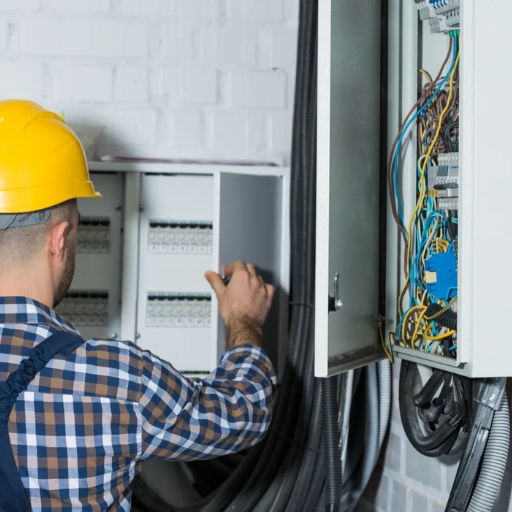
The process of stopping circuit breaker problems needs active electrical system maintenance which uses protective measures to maintain system integrity during extended time periods. The following five strategies provide detailed guidance for risk reduction and performance enhancement.
- 1
The first step requires electrical systems to undergo scheduled maintenance which needs certification from a licensed electrician. The inspection process finds all components which have become worn while it detects loose connections and identifies early damage signs which will eventually lead to circuit breaker failure. - 2
You should spread electrical loads across multiple circuits to stop any circuit from reaching its maximum capacity. The wattage data of devices and appliances should be used to estimate energy use which needs to be balanced for efficient operation. - 3
Surge protectors safeguard devices against voltage spikes which can damage both circuit breakers and connected equipment. Whole-house surge protection installation provides an additional security measure for your home. - 4
You should upgrade your outdated electrical panel because modern energy requirements exceed its existing capacity. Old electrical panels no longer meet current electrical requirements which increases the possibility of circuit breakers becoming overloaded. - 5
Over time dust and debris disrupt breaker functionality. You should clean your electrical panel on a regular basis because dirt and buildup can cause it to malfunction. The main power supply must be switched off before you begin the cleaning procedure.
Implementing these practices will help you decrease circuit breaker issues while creating a safer electrical system to power your building.
Regular Maintenance Tips
The inspection of circuit breakers needs to occur every year for testing which will identify any signs of wear or overheating or physical damage. The industry data indicates that performing regular inspections will decrease electrical problems by 30 percent.
Ground Fault Circuit Interrupter and Arc Fault Circuit Interrupter breakers need monthly testing which requires their test button to verify their proper function. Safety standards state that defective breakers cause approximately 25 percent of residential electrical fires.
The electrical panel needs ongoing inspection because its wires and connections can become loose over time. The presence of loose connections creates a fire hazard through arcing which results in approximately 35,000 annual fires throughout the United States.
The operation of breakers becomes unreliable after they complete three decades of service. The replacement needs to occur through modern equipment which will enhance operational performance and security. Contemporary breakers provide 40 percent better performance when handling power surges and electrical faults.
The electrical system needs proper load management which requires users to distribute their appliances throughout multiple circuits. The study found that 15 percent of electrical malfunctions in homes occur because of circuit overloads which cause circuits to trip repeatedly.
Understanding Overload and Its Prevention
People experience electrical overload when their electrical demand exceeds what the circuit can safely handle. The problem occurs when people connect multiple devices to one circuit while they operate their high-power devices at the same time. The circuit breaker activates during an overload situation to stop overheating which creates a fire hazard and damages appliances.
Key Causes of Overload
- Excessive Appliance Use: The circuit load reaches its limit when multiple high-wattage devices which include heaters and air conditioners and microwaves get plugged into the same circuit.
- Aged Electrical Wiring: Causes the problem because it becomes damaged over time which results in electrical issues. The 13 percent of worldwide electrical system failures occurs because aging electrical systems receive no maintenance at all.
- Improper Circuit Design: The existing circuit designs of modern homes create complete electrical systems that fail to meet their power requirements because they result in frequent circuit overloads.
Prevention Strategies
- Calculate Power Load: The maximum load of a circuit can be calculated by multiplying its voltage with its amperage. A standard circuit which operates at 120 volts and uses a 15-amp breaker can safely handle 1,440 watts which represents 80 percent of its total capacity.
- Upgrade Electrical Systems: The upgrade of electrical systems allows home systems to handle current energy needs.
- Use Power Strips Wisely: Power strips should not be connected through daisy chaining because that method leads to higher circuit load. Surge protectors should have circuit breakers as their extra safety feature because they offer better protection to customers.
Importance of Upgrading Electrical Panels
The process of upgrading electrical panels functions as an essential procedure that provides three vital benefits to residential electrical systems. Modern households need electrical systems which can support their numerous electronic devices and appliances because their power needs exceed what traditional electrical panels can deliver. The following five main points demonstrate the necessity of upgrading your electrical panel system.
- ✦ The system needs to adapt to the new energy requirements which come with increased electricity usage. Current electrical panels cannot handle the power demands which modern devices like smart home refrigerators and air conditioners require. The system upgrade allows your system to provide the necessary power for its operations without the risk of system failure.
- ✦ Modern electrical panels come equipped with advanced safety measures which include improved circuit breakers and surge protection. These features decrease the probability of electrical fires and power surges.
- ✦ The existing electrical panel system of your building does not comply with current electrical codes. Building code requirements demand electrical panel upgrades to ensure complete compliance which becomes crucial during home renovations and property sales processes.
- ✦ The process of electrical panel upgrade will establish permanent security through performance improvements which create safer home environments. The current electrical panel system provides essential support for upcoming solar panel installations and electric vehicle charging station setups and extra outlet installations.
Frequently Asked Questions (FAQ)
References
- Eaton’s Breaker Service Center Product Aid: This document provides detailed information on circuit breaker repair and services offered by Eaton. PDF Link: Breaker Service Center Product Aid
- ABB’s Factory Circuit Breaker Refurbishment Service: This PDF outlines ABB’s approach to circuit breaker refurbishment, including diagnostic testing and repair options. PDF Link: Factory Circuit Breaker Refurbishment Service
- Siemens Circuit Breaker Reconditioning Services: This document details Siemens’ specialized services for repairing and refurbishing medium- and low-voltage circuit breakers. PDF Link: Circuit Breaker Reconditioning Services