Introduction to Circuit Breakers
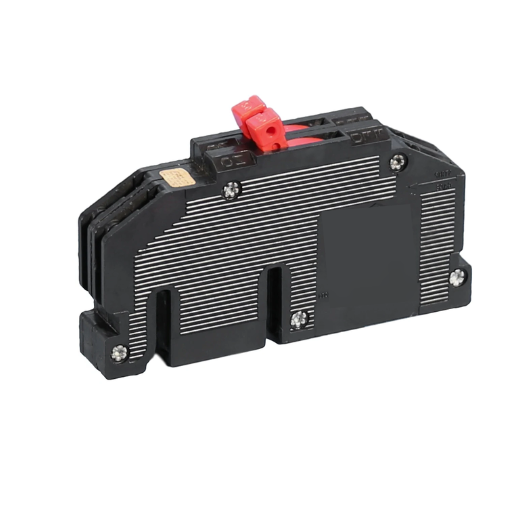
Circuit breakers function as vital safety equipment that protects electrical circuits from damage which occurs during overcurrent conditions and short circuit incidents. The system operates by stopping electricity flow when it detects dangerous conditions which leads to fire protection and equipment security. The electrical system remains safe because circuit breakers provide a secure way to reset after tripping whereas fuses need complete replacement.
Importance of Electrical Safety
The need for electrical safety exists because it protects both human lives and their belongings. The presence of unprotected electrical systems creates hazardous conditions which result in fires and lead to injuries and fatalities. The implementation of electrical safety protocols in organizations allows them to decrease risks while their electrical systems function properly.
The importance of electrical safety exists because five main reasons show its value to society.
01
Prevention of Fires
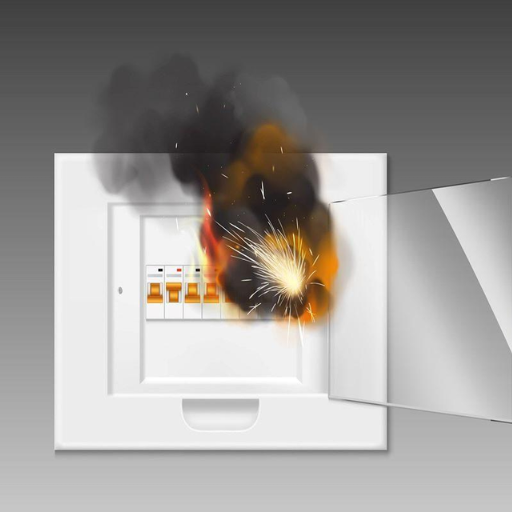
Home and workplace fires occur mainly because of electrical system failures. Electrical failures and malfunctions accounted for approximately 13 percent of home structure fires according to National Fire Protection Association NFPA data from recent years.
02
Protection Against Electric Shock
Electric shocks can result in dangerous medical conditions which sometimes end in death. The system achieves effective hazard reduction through the combination of proper grounding and insulation and circuit breaker systems.
03
Reduction of Equipment Damage
Electrical surges and faults create dangers that have the potential to harm electronic devices and appliances. Organizations which follow electrical safety standards will experience longer equipment lifespans and lower expenses for repairs and replacements.
04
Compliance with Legal Standards
Organizations which implement proper electrical safety procedures will meet local and national electrical code requirements while safeguarding their businesses against potential fines and legal challenges.
05
Improved Reliability of Electrical Systems
The practice of conducting safety inspections together with following safety guidelines leads to enhanced electrical system reliability and operational efficiency which results in decreased service interruptions and stable electricity delivery.
⚡ The implementation of electrical safety measures protects human life while protecting against economic losses which makes these measures necessary for both residential and commercial properties.
Overview of Breaker Types
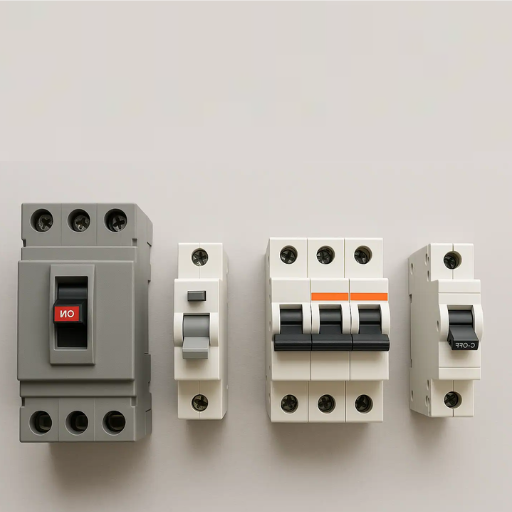
All electrical systems depend on circuit breakers which function as vital components that safeguard their circuits from both overloads and short circuits and all other possible system breakdowns. The selection process for appropriate breakers requires knowledge about the different breaker types which exist for different purposes. The following section presents a comprehensive explanation of multiple breaker varieties which exist in the market.
| Breaker Type | Current Range | Best For | Key Feature |
|---|---|---|---|
| Miniature Circuit Breakers (MCBs) | 0.5A – 125A | Residential areas | High reliability, low maintenance |
| Molded Case Circuit Breakers (MCCBs) | 100A – 2,500A | Commercial / Industrial | Adjustable trip units |
| Ground Fault Circuit Interrupters (GFCIs) | — | Bathrooms, kitchens, outdoors | Trips within milliseconds on ground fault |
| Arc Fault Circuit Interrupters (AFCIs) | — | Bedrooms, living rooms | Detects dangerous arc faults |
| High Voltage Circuit Breakers | > 1,000V | Substations, industrial plants | Uses air, oil, or SF6 gas |
| Smart Circuit Breakers | Variable | Smart homes / IoT systems | Remote control via smartphone apps |
What is a Double Pole Breaker?
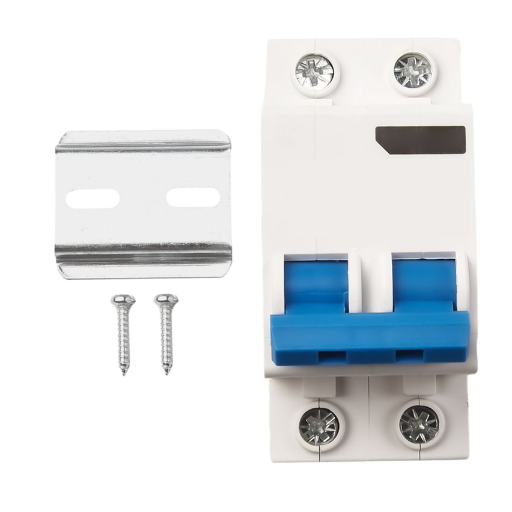
The double pole breaker functions as a circuit breaker which detects and secures two active wires that operate within a 240-volt electrical system. The double pole breaker differs from single pole breakers because it can handle multiple wires whereas single pole breakers only manage one wire for 120-volt systems. The breakers serve a crucial function because they automatically cut off power when they detect an electrical overload or short circuit condition.
The breaker panel requires two slots for double pole breakers which users can identify through their larger dimensions and their design that includes a toggle switch which activates both poles to trip simultaneously. The current industry research shows that double pole breaker usage has increased by 7% because more high-capacity appliances need stronger electrical systems. The current breakthroughs in technology enable some double pole breakers to use smart technology which enables users to watch and run their systems from another location to create safer systems which save more energy.
The double pole breakers control power distribution through two 240-volt circuit legs which helps maintain safe electrical operation while protecting against voltage-related risks. The residential commercial and industrial systems which need high-power systems depend on these elements as essential components.
Definition and Primary Function
The double pole breaker serves as an electrical protection device which protects 240-volt circuits from both overcurrent and short-circuit faults. The double pole breaker provides needed electricity to large appliances which operate at higher voltages than 120 volts because it connects to both electrical panel legs. The breakers use two switches which will turn off the system when they detect an overload or fault in the system. The protection system provides essential safety features which help maintain dependable operation of circuits that supply power to high-demand electrical systems.
⚡ Latest Details and Data
- Modern double pole breakers use thermal-magnetic trip mechanisms as their main protective system — thermal protection handles extended overcurrent situations while magnetic protection handles high current surges.
- The tripping range for most double pole breakers is typically between 15 to 200 amps depending on the circuit requirements and the specific breaker model.
- The National Electrical Code (NEC) requires double pole breakers to protect 240-volt circuits because these breakers maintain equal load distribution between their two poles.
- Modern smart double pole breakers provide users with real-time energy data, remote system control, and compatibility with Internet of Things devices.
How It Works in Electrical Circuits
Double pole circuit breakers automatically shut down power when electrical circuits experience overloads or short circuit conditions which makes them essential for controlling electrical power distribution inside circuit systems. The breakers operate at 240 volts which makes them essential for running heavy electrical appliances that include water heaters and air conditioners and electric ranges. The system includes two linked breakers which work together to cut power supply to both circuit pathways thus providing safety protection and device and circuit protection from potential harm.
When electricity moves through a building or home system two hot wires that carry electrical current emerge from the main power source. The double pole breaker connects to both power wires to track the current flow which passes through each wire. The breaker shuts down both sides of the circuit when current levels exceed the safe limits of either wire to protect against overheating and electrical fires. Current double pole breakers include thermal and magnetic trip units which protect against excessive heat and sudden current surges through the system.
The average double pole breaker available in the market today operates between 15 and 200 amp electrical capacity according to recent industry research which serves both residential and commercial building requirements. The latest advanced models enable users to connect with smart systems which provide actual power consumption information through mobile application monitoring. The system enables users to receive notifications about trip incidents while providing recommendations to decrease energy usage according to their consumption patterns. Research shows that smart circuit breakers help homes decrease energy waste by 20% according to common household energy patterns.
💡 Double pole breakers provide safe power distribution through their advanced technology which works together with precise engineering methods to meet the energy usage requirements of modern society.
Differences Between Single Pole and Double Pole Breakers
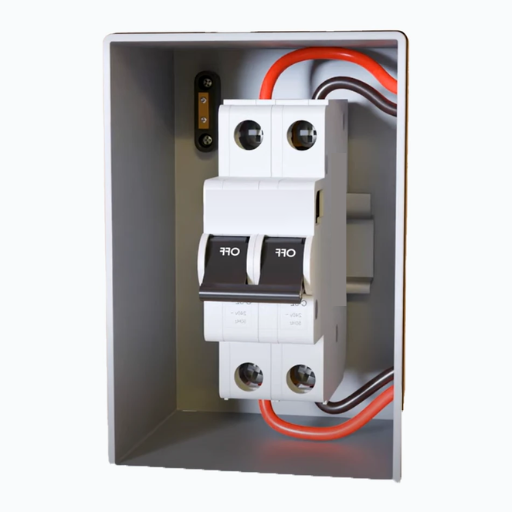
| Category | ⚡ Single Pole Breaker | 🔌 Double Pole Breaker |
|---|---|---|
| Voltage Handling | 120 volts — suitable for standard household circuits such as lighting and outlets | Up to 240 volts — required for dryers, water heaters, and AC systems |
| Current Capacity | 15 to 20 amps — handles smaller electrical circuits | 30 to 50 amps or more — supports higher power requirements |
| Size & Design | Occupies a single slot in the electrical panel | Requires two panel slots — physically larger in size |
| Applications | General house wiring, lights, and receptacles | Electric ranges, central AC, high-powered appliances |
| Circuit Configuration | Protects one hot wire — cuts power to a single phase when tripped | Protects two hot wires simultaneously — disconnects both phases for safety |
When to Use Each Type
The selection between single pole breakers and double pole breakers requires assessment of your electrical system’s particular requirements. The following five situations demonstrate the correct times to use them:
- 1
Lighting and Basic OutletsStandard lighting fixtures and basic wall outlets require protection through single pole breakers. The system operates throughout residential spaces which use 120-volt circuits as their standard power source.
- 2
High-Power AppliancesDouble pole breakers should be used for appliances that require 240 volts, such as dryers, electric ovens, water heaters, and air conditioners. These products deliver essential power together with protective features for those devices.
- 3
Small Appliances and Dedicated CircuitsDedicated circuits which serve individual small appliances should use single pole breakers to achieve optimal energy efficiency with microwaves and toasters and coffee machines.
- 4
Electrical Systems in Garages or WorkshopsDouble pole breakers become essential when users require equipment to power tools which draw substantial power. The system enables safe and effective management of increased power demands.
- 5
HVAC SystemsDouble pole breakers serve as the main power source for HVAC systems because these systems require substantial energy and operate at 240-volt power levels.
The use cases help homeowners and professionals correctly install breakers which maintain safety standards in all electrical panels.
Appliances and Systems Requiring a Double Pole Breaker
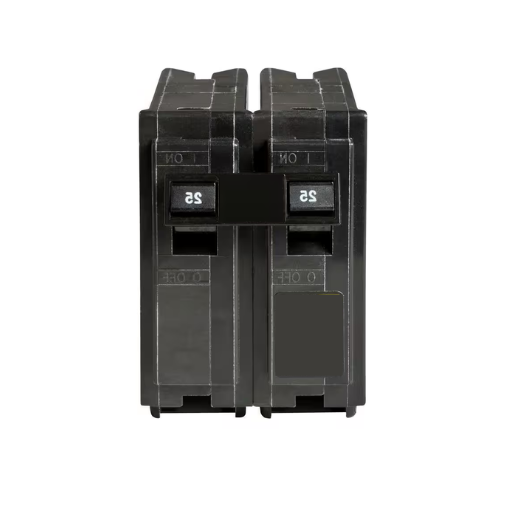
The functioning of residential electrical systems depends on double pole breakers because these breakers enable operators to control 240-volt circuits and high-power electrical systems. The following list displays common equipment and systems which require double pole breakers together with their power usage details and operational requirements.
⚠️ Why Double Pole Breakers Are Essential
The National Electric Code (NEC) establishes requirements which mandate that breakers must match the electrical load of the system for both legal compliance and safety protection. Double pole breakers protect circuits through their design which enables them to handle high voltage situations while preventing overloads and electrical faults. Homeowners who install these breakers for high-energy appliances can reduce their risk of electrical fires and equipment damage and service disruptions. Home electrical systems need power requirement assessments which should be conducted together with safety protocol implementation to ensure secure operation and efficient performance.
Common 240V Circuits
High-energy appliances that require large amounts of electricity to function properly use 240V circuits as their standard power source. The installation of these circuits becomes essential in residential areas because electric dryers and ovens and water heaters and HVAC systems require them.
| Appliance / System | Power Requirement | Breaker Size | Wire Size |
|---|---|---|---|
| Electric Dryers | 4,000 – 6,000 watts | Double pole 30-amp | 10-gauge |
| Electric Water Heaters | 3,500 – 5,500 watts | Double pole 30-amp | 10-gauge |
| Electric Ranges and Ovens | 8,000 – 12,000 watts | Double pole 40- or 50-amp | 6-gauge or 8-gauge |
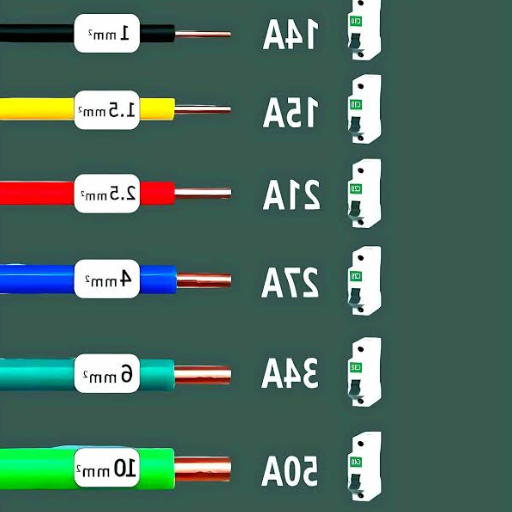
| HVAC Systems (AC/Heat Pumps) | 2,000 – 7,000 watts | Double pole 20–40 amp | 12- to 8-gauge |
| Electric Car Chargers (Level 2) | 7,200 watts or more | Double pole 40- or 50-amp | 6-gauge |
🔑 Key Safety Considerations for 240V Circuits
- The process requires proper breaker and wire sizing because it needs to match specific load requirements to ensure protection against fire dangers and overheating risks.
- Local codes mandate that specific 240V circuits must have ground fault circuit interrupters because this safety measure serves as an essential requirement.
- The process of 240V circuit installation requires licensed electricians to handle the work because they need to manage hazardous tasks which require specialized knowledge of electrical codes.
- The right installation together with ongoing maintenance will achieve efficient operation of systems that will establish safe environments throughout residential and commercial spaces.
Safety Considerations
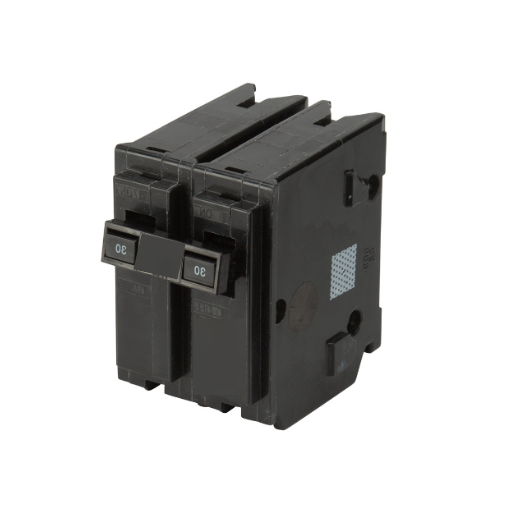
Electricians who have professional licenses need to perform all 240V outlet and wiring installation work. The installation process includes several safety requirements which electricians must follow to protect against existing hazards.
- 🛡️
Circuit breakers which are built to manage high-voltage loads offer vital protection to both appliances and electrical systems by safeguarding them from power surges and short circuits. - 🔍
The maintenance process for 240V outlets and circuits requires electrical technicians to carry out regular inspections which will help them discover all indicators of system deterioration and rust and damage. The Electrical Safety Foundation International ESFI states that regular equipment maintenance reduces electrical system failure risks by 25 percent. - 🔌
Users must check appliance plugs to ensure they match the outlet configuration. The use of wrong adapters or the use of incompatible plugs leads to connection problems which raise electrocution dangers. - ⚡
Users need to avoid connecting multiple high-demand devices which require power to a single 240V circuit. The process of overloading electrical circuits leads to excessive heat production which increases the chances of both electrical fires and equipment breakdowns.
Importance of Professional Installation
All 240V circuit systems need professional installation because it ensures safe operation of electrical appliances. The installation process requires proper execution because any mistakes will create dangerous situations and decrease operational efficiency and result in expensive repair costs. Below are five key reasons which demonstrate why professional installation needs to be done.
✅ Enhanced Safety
Professional installers establish safety standards which help to decrease dangers from electric shocks and short circuits and fire incidents. According to the National Fire Protection Association (NFPA), faulty installations contribute to thousands of house fires annually.
✅ Code Compliance
Certified professionals ensure installations meet local and national electrical codes. The codes lead to three consequences which include fines and insurance claim denials and the total loss of appliance warranties.
✅ Accurate Load Calculations
Professionals have the ability to calculate circuit loads with precision which helps them avoid creating overload situations. The process of identifying power-hungry appliances and distributing them across separate circuits helps to prevent stress on the electrical system.
✅ Proper Grounding
Grounding exists as the core requirement for maintaining electrical safety. The use of improper grounding creates two risks which include dangerous electrical surges and appliance damage. The professionals implement their expertise in proper methods and equipment to create a secure grounding system.
✅ Warranty Protection
Most appliance manufacturers specify professional installation as the requirement for their product warranty to remain valid. Your warranty will become void because you failed to hire a licensed professional and now you must handle all expenses for repairs or replacements yourself.
⚠️ Potential Risks of Improper Use
The incorrect functioning of electrical equipment together with electrical systems creates multiple hazards which endanger both personal safety and valuable possessions. Equipment failures and electrical system breakdowns result in 46,700 residential fires which occur annually throughout the United States. These fires cause 1.5 billion dollars in property damage and 390 human deaths and 1,330 nonfatal injuries.
The primary danger of electrical shocks occurs when people do not follow proper installation and maintenance procedures for appliances. Electric shocks present danger to the body because even minor shocks can lead to fatal outcomes. Another common danger is overheating which leads to appliance breakdowns and fires especially when using outdated or broken devices. Space heater users who operate their devices incorrectly create 45 percent of all heating fires which occur in residential homes.
Power surges which occur because of improper grounding and circuit overloading can create damage to multiple appliances at the same time. This problem becomes critical for homes which need voltage-sensitive equipment to function properly. The dangers can be reduced by following manufacturer guidelines which include proper electrical circuit management and implementing scheduled maintenance with certified professionals to detect dangers before they emerge.