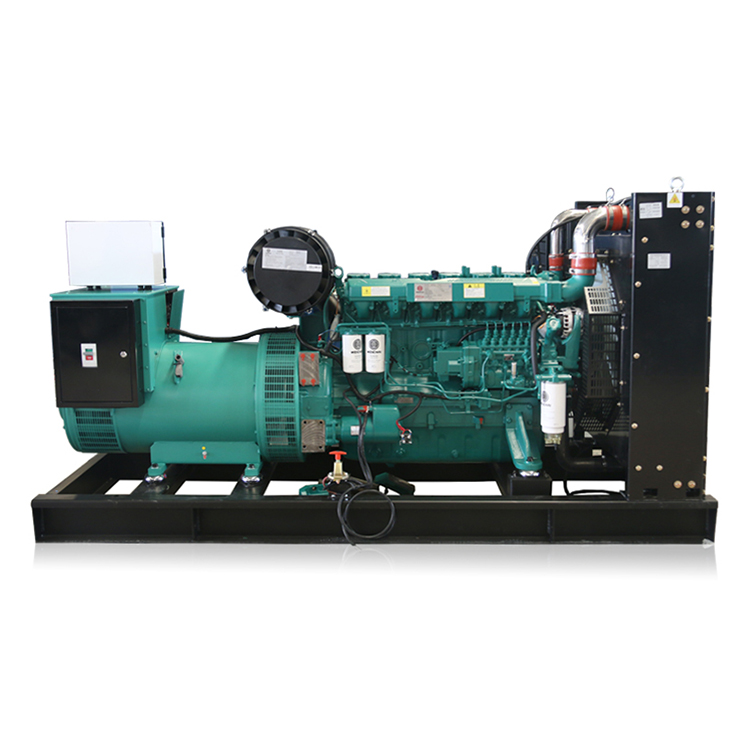
Electrical circuits require capacity assessment because it determines their safe and efficient operation during home improvement projects and professional setup analysis. The first question people ask is which electrical capacity a 20-amp circuit can support. The process requires more than simple calculations because it serves three critical functions which include preventing overloads and maintaining proper appliance operation and keeping electrical code compliance. The article wants to show you practical electrical system knowledge through its explanation of how amperage and voltage and wattage work together. The article provides essential electrical work guidelines for beginners and experienced professionals who want to learn about safe circuit operation and efficient electrical systems.
Introduction to Amps, Volts, and Watts
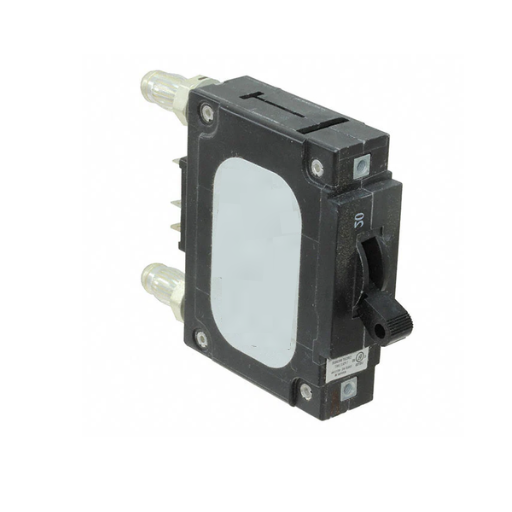
People use amps and volts and watts as basic electricity measurement units. Simple definition:
Amps (Amperes)
Measure electrical current flow. The measurement shows how much electricity flows through a circuit.
Volts (Voltage)
Function as the electrical pressure which drives current through a circuit. The movement of electricity requires electrical pressure which exists as voltage.
Watts (Power)
Show the amount of electricity which devices consume or generate. The calculation requires multiplying volts by amps (Watts = Volts × Amps).
The three terms work together to explain how electricity travels through a system. The relationship between them must be understood for safe and efficient operation of electrical devices and circuits.
The Relationship Between Amps and Watts
The understanding of electrical systems depends on the basic relationship between amps and watts. The unit of amperes defines the measurement of electrical current flow while watts serve as the standard measurement for electrical power production and consumption. The formula establishes the correct method for determining the relationship between these two elements. The mathematical expression for power output states that Watts equals Volts multiplied by Amps. The equation shows how power consumption or generation occurs when current flows through a system at a particular voltage level.
Core Formula
Watts = Volts × Amps
The 120-volt electrical system generates 1,200 watts of power through 10 amps of current flow (120V × 10A = 1,200W). To understand the situation better, we need to examine typical household appliances.
| Appliance | Wattage | Voltage | Amps Drawn |
|---|---|---|---|
| Typical Microwave | 1,000 W | 120 V | 8.33 A |
| Electric Heater | 1,500 W | 120 V | 12.5 A |
Your comprehension of this connection between electrical systems enables you to operate electrical systems safely. The circuit breakers will trip because of equipment overload when users connect their devices which exceed the permitted amp draw. People who understand power requirements for their devices together with circuit capacity will achieve both safe and efficient electrical usage. Modern devices incorporate power-saving functions which decrease wattage while maintaining their operational capacity thus improving energy efficiency. The link between amps and watts provides essential value for energy management in residential and industrial settings.
Understanding Voltage in Circuits
The fundamental operation of electrical circuits relies on voltage which people know as electric potential difference. This measurement represents the force which drives electric current through a conductor. Engineers use voltage measurement in volts (V) to measure the energy distribution that allows electrons to travel through a circuit for every unit of charge. The standard wall outlet in the United States delivers a voltage of 120 volts while its larger appliances need 240 volts.
DC Voltage
Operates as a single directional flow which exists in batteries.
AC Voltage
Shows both directional and magnitude changes which power grids typically use. Most power grids function at either 50 Hz or 60 Hz frequencies.
Ohm’s Law:
Voltage (V) = Current (I) × Resistance (R)
The circuit produces a 12-volt output when it contains 3 amps of current and 4 ohms of resistance.
Voltage understanding serves as an essential requirement for maintaining safe operations and achieving effective system performance. Electronic components suffer damage from overvoltage conditions while undervoltage conditions decrease their operational performance. Electronic devices function properly because modern voltage regulators and surge protectors establish voltage supply systems which maintain consistent voltage levels. The development of energy management systems has led to improved voltage optimization for industrial applications which decreases energy consumption and related expenses.
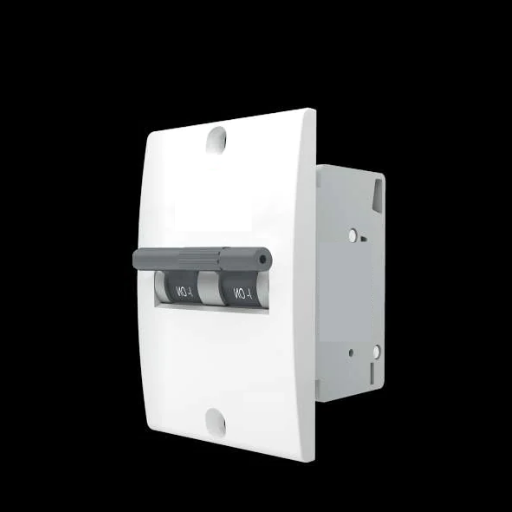
Importance of Circuit Breakers
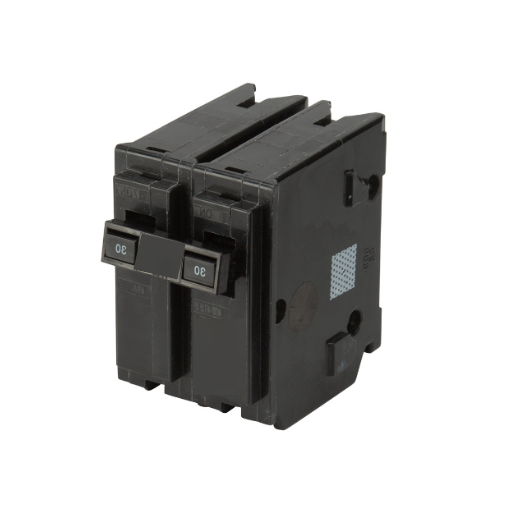
The function of circuit breakers in electrical systems involves protecting against power surges and short circuits and equipment overloads. The system secures both personal and property protection through its ability to halt electrical current during situations that exceed normal operational limits. The following list contains essential information about circuit breakers which describes their primary functions in electrical power systems.
- 🛡️
Protecting Electrical Equipment
Circuit breakers protect appliances and machinery and wiring from electrical faults which allows equipment to function longer without damage. - 🔥
Preventing Electrical Fires
The operation of circuit breakers prevents electrical fires because they interrupt current flow during short circuits which stops overheating from occurring. - ⚙️
Enhancing System Efficiency
The system operates at full capacity because it employs section isolation to protect faulty areas which decreases operational interruptions for industrial and commercial facilities. - 👷
Ensuring Personal Safety
Circuit breakers protect workers from electrical shocks through their ability to shut down power during system faults which affects all electrical systems. - ☀️
Supporting Renewable Energy Systems
Modern circuit breakers control advanced energy systems which include solar and wind power systems to ensure safe and efficient system operation.
The integration of circuit breakers into electrical systems provides improved safety and operational reliability for both residential homes and industrial facilities.
The Core Calculation of Wattage
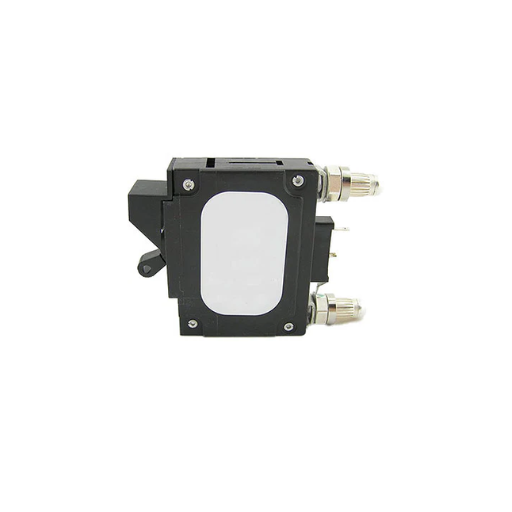
The calculation of electrical power requires multiplying voltage (V) with current (I) to obtain wattage output.
The Core Formula
Watts (W) = Volts (V) × Amperes (A)
A device which operates at 120 volts and consumes 2 amperes of current will use 240 watts of power (120V × 2A = 240W)
Understanding Wattage in Real-World Applications
Household Appliances
Household appliances display varying wattage ratings which show their electrical energy usage. For instance:
- A microwave typically requires between 800 and 1500 watts for operation.
- An LED lightbulb requires only 8 to 15 watts which represents a major reduction in power consumption when compared to traditional incandescent bulbs.
- A refrigerator consumes power between 100 and 800 watts which depends on its size and operational efficiency.
Industrial Equipment
Larger machinery needs more wattage because it requires higher energy consumption. For example:
- Heavy-duty air compressors can use anywhere between 2000 and 5000 watts.
- Industrial CNC machines operate at power levels starting from 10,000 watts.
The Growing Role of Renewable Energy
The rising adoption of renewable energy sources including solar energy and wind energy has created a greater need for accurate wattage assessments. The testing process for solar panel wattage output evaluates their performance under standard test conditions, which establish their official rating. A typical residential solar panel generates between 300 and 400 watts of electricity, and the total number of panels needed will depend on both the target energy production and the actual energy needs of the household.
The wattage calculation formula enables people and businesses to achieve optimal energy usage while creating efficient systems that lower energy expenses and support environmental sustainability.
Formula: Watts = Amps x Volts
Understanding the Formula and Its Application
The equation Watts equals Amps times Volts establishes essential knowledge for studying electrical consumption and power production. The formula needs correct application to determine both device energy consumption and system power output.
Watts (W)
Serves as a power measurement that indicates energy consumption or generation at a specific rate.
Amps (A)
Serves as a unit that measures electrical current flow through an electrical device.
Volts (V)
Functions as a unit that measures electrical potential which causes current flow through a circuit.
Real-World Example:
A household solar system generates 10 amps of electricity when it operates at a standard voltage of 48 volts. The formula establishes that:
Watts = Amps x Volts
Watts = 10 x 48 = 480W
The solar system generates 480 watts of electrical power output.
Current research shows that residential solar panels typically operate between 350W and 450W while commercial systems exceed those limits. The standard 400-watt solar panel produces about 400W when used with a 20-amp inverter that operates at 20 volts. Research from worldwide energy reports demonstrates that solar system demand has increased for systems which require more than 500W per panel because of advancements in photovoltaic technology.
Practical Applications
- Home Energy Calculation: Total power consumption in a household can be estimated through amperage and voltage measurements of all devices which enables calculation of solar panel needs.
- Industrial Design: Engineers use this formula to design power systems suited for varying voltage and current capacities which ensures maximum performance.
The fundamental formula combined with contemporary tools and real-time data enables decision makers to enhance energy systems while decreasing their carbon emissions.
Calculating Load for a 20 Amp Circuit at 120 Volts
The assessment of electrical load for a 20-amp circuit requires the base power equation:
Maximum Load
2,400 W
120V × 20A
Safe Continuous Load (80%)
1,920 W
2,400W × 0.8
The National Electrical Code (NEC) establishes a guideline which recommends that continuous loads should remain below 80 percent of the circuit’s total capacity.
Practical Example
The following situation serves as an educational demonstration of this concept — a 120-volt circuit with a 20-amp breaker powering multiple appliances:
| Appliance | Wattage |
|---|---|
| Refrigerator | 700 W |
| Microwave | 1,200 W |
| LED Lights | 100 W |
| Total Load | 2,000 W ⚠️ |
Additional Considerations
- The total wattage of all devices connected to the circuit should be calculated at all times.
- The power factor needs to be considered for certain appliances which include motorized systems and advanced electronic devices because these appliances will consume more electricity than their specified power rating.
- Use certified electrical tools or consult a professional electrician if you have any doubts about the circuit’s capacity or load.
Homeowners and electricians can successfully control electrical systems while preventing typical electrical hazards through their knowledge of these calculations and safety procedures.
Calculating Load for a 20 Amp Circuit at 240 Volts
You can calculate the load for a 20 amp circuit operating at 240 volts by applying the power formula:
Maximum Load
4,800 W
240V × 20A
Safe Continuous Load (80%)
3,840 W
4,800W × 0.8
The National Electrical Code (NEC) standards require that circuit capacity should be used at 80 percent for loads which will operate continuously for three hours or more. This practice helps prevent overheating and ensures safety.
Examples of Electrical Devices on a 20 Amp Circuit
The 3,840-watt safe limit of a 20 amp, 240-volt circuit can handle these appliances:
| Appliance | Wattage |
|---|---|
| Electric Heater | 1,500 W |
| Microwave Oven | 1,200 W |
| Refrigerator | 600 W |
| Lighting System | 500 W |
| Total | 3,800 W ✅ |
These examples produce a total of 3,800 watts which enables the circuit to operate within its safe working limits. To prevent overloading you should always check the total wattage of all circuit devices.
Additional Factors to Consider
- Startup Loads: Some appliances, like refrigerators or air conditioners, have higher power demands during startup. The circuit must support these short-duration power spikes.
- The wire gauge (e.g., 12-gauge for a 20A circuit) must match the circuit’s capacity to avoid overheating.
- The circuit breaker must also be rated for 20 amps to function correctly and trip when the load exceeds the allowed limit.
You should contact a certified electrician or a qualified expert about load requirements and electrical safety when you need assistance.
The 80% Rule in Electrical Safety
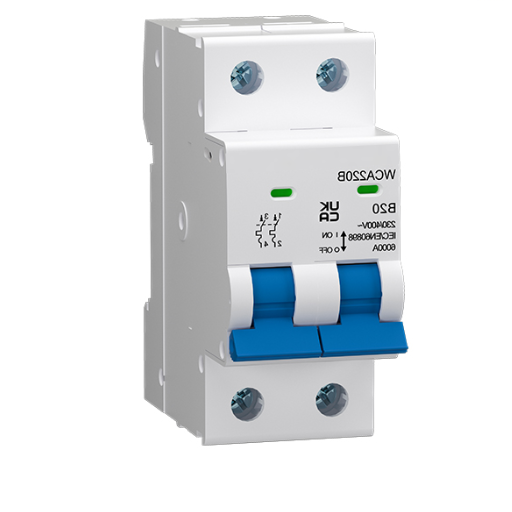
The 80% Rule works as a critical electrical safety guideline which protects circuits from overloads that would otherwise create hazards of electrical fires and overheating. The rule states that circuits must restrict their load to 80% of their total capacity because this protection measure enables them to handle continuous electrical usage. Continuous loads represent electrical equipment which operates at full power for a period of three hours or longer.
20-Amp Circuit
Max 16 A
Continuous Safe Load
15-Amp Circuit
Max 12 A
Continuous Safe Load
The National Electrical Code NEC mandates that all residential and commercial circuits which power HVAC systems and lighting and appliances must comply with the 80% rule. The implementation of this design principle into electrical systems results in reduced chances of circuit breakers tripping which protects equipment from damage and prevents dangerous overheating situations.
The latest evidence shows that circuit overloading beyond this limit creates an increased probability of electrical fires. The National Fire Protection Association NFPA reports that U.S. home fires frequently start from overloaded circuits and defective wiring which makes electrical distribution systems a primary cause of these fires. The 80% rule enables individuals and organizations to improve electrical safety while safeguarding both their properties and human lives.
The load estimate needs to be calculated during the design of electrical systems and their circuit upgrades to check their compliance with established standards. The best practice for regulatory compliance requires people to work with certified electricians.
Understanding Continuous Loads vs. Peak Loads
The engineers must identify continuous loads and peak loads because these two factors establish how the system operates and how it uses energy and how its safety systems function.
Continuous Loads
Electrical loads which maintain their maximum operational capacity for more than three hours during standard operating conditions. HVAC systems, industrial equipment, and commercial building lighting rely on these loads.
NEC Requirement:
Circuits used for continuous loads must have a capacity which exceeds the actual load by 125%.
Example: A 16-amp load requires at least a 20-amp circuit (16 × 1.25 = 20).
Peak Loads
Short periods of high energy consumption which happen when devices start their operations or at other temporary times. The startup process of industrial motors and compressors causes their power usage to increase temporarily three to five times their normal operating levels.
Example:
A motor which operates normally at 10 amps will temporarily require 40 amps to start up.
Key Statistics and Insights
Energy Consumption Trends
Commercial buildings maintain continuous energy usage through their permanent lighting systems which generate more than half of their total energy requirements. The U.S. EIA reported that commercial facilities used continuous lighting systems which accounted for almost 10 percent of their total electricity consumption in 2022.
Electrical Failures
Research shows that approximately 33% of electrical failures happen because people fail to plan for changes in electrical load. The most frequent reasons for electrical overheating and fire incidents occur when circuits become overloaded together with circuits that lack proper capacity.
Best Practices for Safety
- You must calculate additional capacity requirements according to the 125% NEC rule which applies to your continuous load operations.
- Inrush current limiters provide you with a method to manage peak load surges according to standard operational procedures.
- The organization needs to conduct system inspections and tests to verify that their systems can manage both continuous operation and peak load conditions without safety risks.
The two load types need to be separated because their load characteristics differ which protects both residential and industrial systems through better operational safety and increased energy performance and system dependability.
NEC Recommendations for 20 Amp Circuits
The National Electrical Code (NEC) establishes precise requirements which guarantee that 20-amp circuits function safely and efficiently in all types of residential and commercial and industrial facilities. The recommendations operate to protect safety standards through their assessment of circuit capacity and their identification of suitable wiring types and their proper circuit usage methods.
📐 Wire Gauge Requirements
The NEC requires 12 AWG (American Wire Gauge) copper conductors as the minimum wire size which must be used for 20-amp circuits. This enables secure operation of electrical loads on the circuit without producing excessive heat. Aluminum systems need to use larger wiring sizes which begin at 10 AWG.
⚡ Continuous Load Rule (NEC 210.20(A))
NEC 210.20(A) establishes 80% of the total circuit capacity as the maximum load which circuits can sustain during continuous operation. The system establishes 20-amp circuits as having a maximum continuous load which must remain below 16 amps.
🔌 Outlet and Device Ratings
All devices and switches and fixtures which connect to a 20-amp circuit require appropriate ratings. NEC Section 210.21(B)(3) specifies that no single outlet can draw more than 16 amps on a 20-amp circuit to align with the continuous load rule.
🔢 Maximum Number of Outlets
Standard practices recommend installing 10 receptacles as the maximum number of outlets which should connect to each 20-amp circuit. The guideline uses an assumption that each outlet will draw 1.5 amps which helps to control circuit overloads.
🛡️ GFCI and AFCI Protection
The NEC requires GFCI protection for 20-amp circuits in moisture-exposed locations (NEC 210.8). The arc-fault circuit interrupter (AFCI) system serves as an essential safety system for all indoor spaces including bedrooms, family rooms, and hallways according to NEC 210.12 requirements.
📏 Voltage Drop Considerations
The NEC establishes a voltage drop limit of 3% for branch circuits because this limit helps operators achieve energy efficiency. The standard requires larger conductor sizes when wiring needs to be extended for longer distances.
The property owners and electricians can maintain safe and dependable 20-amp circuits through their compliance with NEC rules and their practice of circuit inspections. The current NEC edition or a licensed electrician should be used to determine specific local requirements.
Implications of Ignoring the 80% Rule
The 80% rule must be followed when selecting circuit loads because its violation creates serious risks which harm both electrical systems and their operational capabilities. The 80% rule, established by the National Electrical Code (NEC), mandates that continuous loads should not exceed 80% of a circuit’s rated capacity. The safety guideline must not be disregarded because it increases the chances of overheating and circuit breaker failures which create fire dangers.
📊 NFPA Statistics:
Data from the National Fire Protection Association (NFPA) shows that electrical fires account for almost 13 percent of all reported house fires in the United States which results in 46,700 fires every year. The common cause of overloaded circuits occurs when circuits sustain excessive current which produces heat that destroys insulation and creates fire hazards.
The 80% rule should be followed because it protects all essential circuits which power high-demand appliances in HVAC systems and water heaters and commercial equipment. The appliances will experience performance problems and unexpected shutdowns when operators do not manage their load because this will result in operational interruptions that create inefficient operations.
The organization needs to implement proper load calculations together with their regular inspections and NEC guideline compliance to minimize these dangers. The organization can achieve electrical safety by consulting a licensed electrician who will help maintain circuits at their acceptable operating levels between safe limits which will enhance system durability and operational effectiveness.
Practical Applications of a 20 Amp Circuit

The existing 20 amp circuit system delivers 2,400 watts electrical capacity because it employs standard residential 120-volt wiring. The system provides dependable electrical power to multiple devices which need more energy than typical low-power circuits can deliver. The following list shows five typical situations where a 20 amp circuit functions effectively.
- Kitchen Appliances
A 20 amp circuit provides essential power capacity to kitchen appliances that include microwaves and toasters and blenders and coffee makers. The dedicated circuits of these appliances enable their operation without causing any system damage because they protect other system components from overload. - Bathroom Outlets
Grooming tools such as hairdryers and electric razors require devices that consume high power. A 20 amp circuit is used for bathroom outlets to enable safe operation of high-energy devices which many electrical codes mandate. - Garage and Workshop Equipment
The power tools in garages and workshops require 20 amp circuits because saws and drills and compressors need to operate at their maximum power capacity. The system enables users to operate multiple tools at once while the system protects against breaker faults. - Central Air Conditioners and Heaters
Small split-system air conditioners and window AC units and some space heaters require a dedicated 20 amp circuit to handle their maximum energy requirements. - Home Office Setups
A modern home office needs a 20 amp circuit to support its power requirements which include computers and printers and additional devices without creating electrical overload risks.
Homeowners maintain efficient and secure high-energy zones by installing 20 amp circuits throughout their entire property.
Industrial Tools Requiring 20 Amps
Industrial tools require higher electrical power consumption because their design needs they must execute their work functions at industrial power levels which enable them to handle extreme conditions of industrial work. A 20-amp circuit is typically necessary to accommodate the demands of various high-powered tools commonly found in workshops construction sites and factories. The operation of table saws air compressors and power drills requires separate 20-amp circuits which protect their equipment from operation damage during their regular functions.
| Tool | Amperage Draw | Notes |
|---|---|---|
| Air Compressor (mid-size) | 15–20 A | Under heavy workloads |
| Table Saw (woodworking) | 15–18 A | When cutting dense hardwood |
| Electric Planers & Sanders | 10–20 A | Depends on size and power |
| Industrial Drills & Impact Wrenches | Up to 20 A | Industrial-grade operations |
Manufacturers provide the amperage information for their tools through the technical specifications of their products. The electrical system design process for workshops and industrial spaces requires personnel to verify equipment specifications through these identification labels. Users can achieve better operational efficiency while reducing equipment downtime through the installation of dedicated 20-amp outlets which prevent breaker trips.
Multiple Loads Across a 20 Amp Circuit
A 20-amp circuit can handle up to 2,400 watts of power, which derives from 120 volts multiplied by 20 amps in a typical U.S. household electrical system. The National Electric Code (NEC) requires circuits to function at 80 percent of their total capacity for continuous loads, which results in a 1,920-watt capacity limit. The safety buffer protects against circuit overloads which helps maintain system stability.
Workshop Example:
A workshop needs power calculations to determine its tool usage:
- Table saw: approximately 1,200 watts
- Shop vacuum: approximately 600 watts
- Total: 1,800 watts — within the 1,920W safe limit ✅
The circuit breaker will trip if users operate more equipment exceeding 1,920 watts.
The circuit needs users to monitor both the types of appliances used and their times of operation. Appliances that require significant power to begin operation, including air compressors and refrigerators, will produce temporary wattage surges which create additional demand on the circuit. Users should either time their device use at different intervals or use various circuits to resolve the situation. The distribution of power through several circuits creates operational efficiency while handling electrical hazards.
Safe electrical usage on 20-amp circuits begins with proper load planning and monitoring by both businesses and homeowners.
Safety Considerations for 20 Amp Circuits
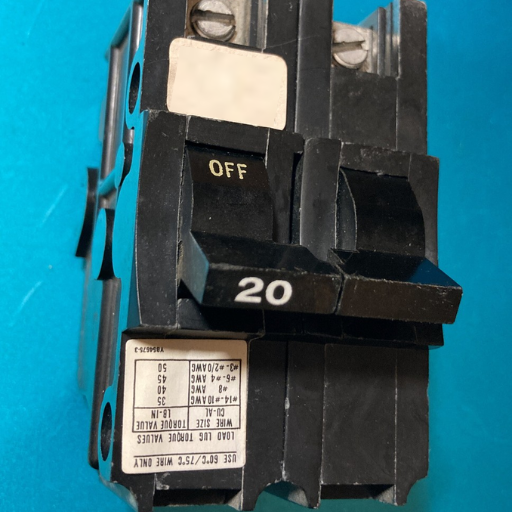
The safety guidelines which follow this introduction function as mandatory requirements which must be followed to ensure safety during operations with 20-amp electrical systems.
- Use Proper Wire Gauge
The circuit wiring needs to use 12-gauge conductors because this wire size functions as the standard wire size which all 20-amp circuits require. The use of wiring which does not meet required size standards will result in wires overheating while creating increased danger of fire hazards. - Avoid Overloading the Circuit
The total circuit load for a 20-amp circuit should not exceed 80 percent of its rated capacity which equals 1,920 watts. The system will operate safely because this prevents overheating while maintaining operational performance. - Install GFCI Outlets in Wet Areas
GFCI outlets function as required electrical safety devices for kitchens bathrooms and outdoor spaces. The outlets protect users from electric shock hazards because they shut off power during ground fault detection. - Label Circuit Breakers Clearly
Circuit breakers should receive proper identification through labeling systems because proper labeling helps maintenance staffs and emergency responders to identify breakers during service or emergency situations. The system makes it easy for users to find the correct circuit which they need to access. - Perform Regular Inspections
The 20-amp circuit requires inspection at regular intervals to detect any signs of wear which include damaged wires and loose connections and scorch marks. The establishment of a maintenance plan will enable organizations to prevent critical system failures while protecting employee safety.
The implementation of these practices will enable you to operate your 20-amp circuits in a safe and efficient manner.
Wire Gauge Requirements for 20 Amp Circuits
The safety and efficiency of a 20-amp circuit depends on the wire gauge which serves as its vital component. A 20-amp circuit is typically used to power standard household appliances, tools, or other devices that require a substantial amount of electricity. The correct wire gauge needs to be chosen according to electrical code standards and load requirements to achieve proper performance and prevent overheating.
Recommended Wire Gauge for 20 Amp Circuits
The National Electric Code (NEC) specifies that a 20-amp circuit must use wire with a minimum size of 12 AWG (American Wire Gauge). This standard enables safe current handling for most residential and commercial applications because it protects against overheating and voltage drop under typical operating conditions.
| Wire Gauge | Ampacity Rating | Typical Use |
|---|---|---|
| 12 AWG | 20 amps | Lighting, standard wall outlets, small appliances |
| 10 AWG | 30 amps | Extended runs or higher power demand applications |
Factors to Consider
Wire Length and Voltage Drop
You must use 10 AWG wire instead of 12 AWG wire because the wire run distance exceeds 50 feet which needs higher wire capacity to stop voltage drop problems. The process of voltage drop occurs because electricity loses its power when traveling over extended distances which results in devices needing more power to function normally, thus creating the potential for overheating problems.
Wire Material
Copper serves as the primary choice for electrical wiring because it offers superior conductivity and dependable performance. The electrical system uses aluminum wiring as a less common option which requires larger gauge sizes than copper wiring according to specific requirements (for example, using 10 AWG aluminum instead of 12 AWG copper for a 20-amp circuit).
Compliance with Local Electric Codes
The National Electrical Code (NEC) establishes basic wiring requirements, but local building codes impose additional regulations regarding wire gauge and materials. Citizens should contact a licensed electrician or their local authorities to verify their area compliance with existing regulations.
The correct wire gauge selection for a 20-amp circuit requires proper selection to achieve safety goals and energy-saving objectives and code requirements. You must always anticipate your electrical needs while considering environmental conditions, and you should seek help from a licensed electrician whenever you encounter uncertainty.
Risks of Overloading a Circuit
All electrical circuits must operate within their designated power limits because any power exceeding these limits creates hazardous situations which require immediate emergency response. When a circuit receives electrical current which exceeds its capacity the circuit will experience wire overheating which creates a risk of electrical fires. The National Fire Protection Association (NFPA) reports that between 2015 and 2019 electrical distribution and lighting equipment caused 10 percent of home structure fires through which overloaded circuits functioned as major factors.
Electrical Fires
Wire overheating from excessive current can ignite fires.
Equipment Damage
Excessive current causes voltage instability leading to device malfunction or shutdown.
Breaker Failure
Continuous testing leads to circuit breaker breakdown and decreased operational capacity.
Electric Shock
Insulation deterioration from overheating exposes live wires creating shock hazards.
People need to spread electrical loads throughout their circuits while using surge protectors and maintaining outlet and extension cord capacities to avoid overloads. A licensed electrician needs to conduct regular inspections which will assist in discovering future dangerous situations.
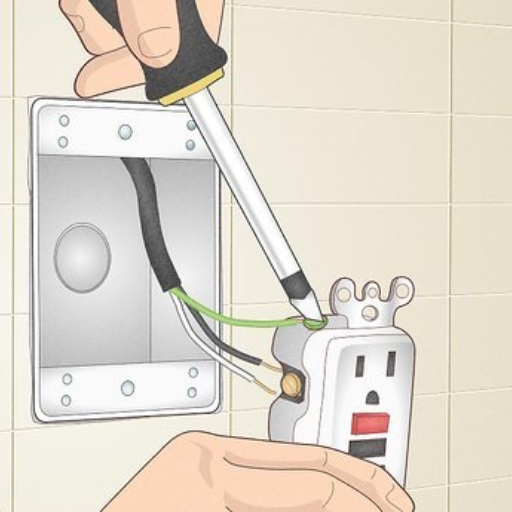
Importance of GFCI in Wet Areas
GFCIs, which stand for Ground Fault Circuit Interrupters, serve a vital function by stopping electric shocks from occurring in locations where people might encounter water and electrical systems. The devices cut off electrical power when they identify ground faults together with leakage currents that occur when current flows through an undesignated path. GFCIs function as essential safety equipment which ensures protection for individuals who operate in environments that have wet or moist conditions.
- 🛡️
Protection Against Electric Shock
GFCIs help prevent serious injuries because they instantly shut down power when current differences appear which decreases shock risks in bathrooms and kitchens. According to the Electrical Safety Foundation International ESFI, GFCIs have reduced residential electrocutions by 50 percent since their introduction to homes. - 📋
Compliance with Electrical Codes
GFCI outlets must be installed according to building codes at specific locations which include bathrooms kitchens laundry rooms and outdoor spaces. The rules need to be followed because they protect people and ensure legal compliance. - 🔥
Preventing Electrical Fires
GFCIs use ground fault detection systems to identify electrical faults at their initial detection point which enables them to prevent ignition of electrical fires that develop in garages and basements during periods of high humidity because these conditions cause equipment to overheat and create arcs. - 🌧️
Establishing Optimal Conditions for Outdoor Safety
The electrical outlets which operate outside become highly dangerous when they face both sprinkler systems and rainwater and swimming pool water. Outdoor locations receive protection from electrocution hazards through the implementation of GFCI outlets which provide additional safety measures. - 👶
Extra Protection for Children and Pets
Children and pets create dangerous situations in wet areas because they might touch electrical equipment which becomes accessible to them. GFCIs function as an additional safety measure because they automatically shut down electrical power when water exposure occurs.
The installation of GFCI outlets throughout your home protects your family and property from severe electrical dangers which exist in wet areas. The devices represent a vital safety investment that requires only a minimal financial commitment.
Frequently Asked Questions (FAQ)
References
- 📄 WATTAGE CHART — A document explaining the relationship between watts, volts, and amps, including practical examples. PDF
- 📄 Can An Amp Put Out More Power Than a ‘Wall Socket’ — This document discusses the 120-volts/20 amps scenario and provides detailed calculations. PDF
- 📄 How many watts can a power strip handle — A resource detailing wattage limits for power strips, including 20-amp scenarios. PDF