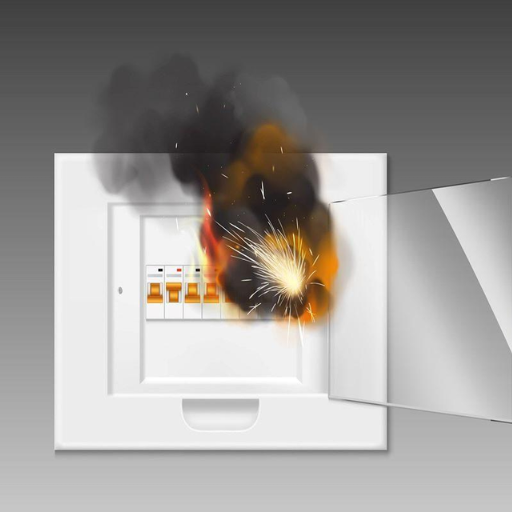
Your electrical system experiences its first minor disruption when a circuit breaker trips, serving as a basic warning system that identifies deeper system faults. The explanation for this phenomenon requires understanding, as its neglect will pose significant safety risks, including electrical fires and appliance damage. This article investigates the main reasons circuit breakers trip frequently, assesses whether this behavior poses a safety risk, and provides effective solutions to address the problem. The guide presents instructions on circuit breaker operation for homeowners, renters, and anyone interested in learning about electrical safety through its comprehensive content. Stay with us as we unravel the mysteries of your electrical panel and empower you to keep your home safe and efficient.
Introduction
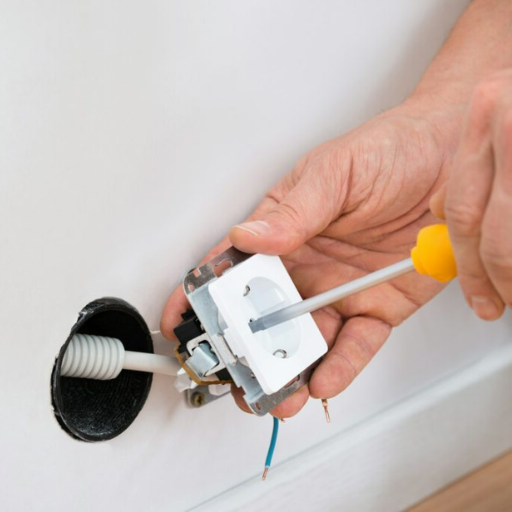
Your home needs circuit breakers because they serve as vital safety devices which stop electrical hazards. The system operates by halting electrical flow whenever it detects faults caused by overloads or short circuits. Your circuit breaker will trip because it detects an underlying problem which includes either defective wiring or circuit overloads or appliance failures. The organization needs to solve these problems without delay because they pose immediate safety threats along with potential fire hazards. Always consult a licensed electrician for proper diagnosis and repair.
Importance of Electrical Safety
The protection of electrical systems maintains operational safety while preventing accidents and safeguarding human life and property. The implementation of appropriate safety standards and operational procedures results in a substantial decrease of electrical hazards. The following five elements show why electrical safety remains essential.
Prevention of Electrical Shocks
Unsafe electrical equipment operations create electrical shocks which result in both body harm and fatal outcomes. The Electrical Safety Foundation International (ESFI) reports that approximately 30,000 non-fatal shock incidents take place annually throughout the United States.
Reduction of Fire Hazards
Electrical fires occur primarily because of two factors which include defective wiring and circuit overloads. The U.S. Fire Administration reported an estimated 24,000 house fires annually are related to electrical malfunctions which lead to significant loss of property and life.
Protection of Appliances and Equipment
High-value appliances and electronic devices suffer damage because of voltage changes and installation mistakes. The proper application of surge protectors together with circuit breakers allows devices to operate longer while avoiding expensive device replacements.
Legal Compliance and Standards
Electrical codes together with standards need to be followed because they protect personal safety and enable legal compliance. The neglect of electrical safety procedures results in legal consequences which include penalties and fines and liabilities for accidents.
Minimizing Downtime in Businesses
Industrial and commercial electrical problems lead to operational shutdowns which cause major financial damage. The implementation of electrical safety procedures guarantees operational continuity which protects against productivity losses.
The practice of electrical safety enables organizations and their members to protect both human life and their resources which creates a safe environment for all participants.
Commonality of Circuit Breaker Trips
The trips of circuit breakers occur frequently throughout residential and commercial electric systems because these safety features protect against equipment damage and unsafe conditions. The most frequent causes of circuit breaker trips include:
| Cause | Description | Risk Level |
|---|---|---|
| ⚡ Overloaded Circuits | A breaker trip occurs when a circuit becomes overloaded because multiple high-powered devices function at the same time which exceeds the circuit’s maximum capacity. A 15-amp breaker typically handles 1,800 watts. | High |
| 🔴 Short Circuits | A short circuit occurs when a hot wire contacts a neutral wire which causes an electrical current to flow through the system. This more serious problem creates sparks and produces smoke which results in appliance damage. | Severe |
| 💧 Ground Faults | Ground faults develop when a live wire comes into contact with either conductive surfaces or ground surfaces which leads to unexpected electrical current movement. GFCIs are designed to mitigate these risks. | Severe |
| 🔧 Aging/Faulty Equipment | The combination of worn-out appliances and damaged cords results in unpredictable current flow which causes breakers to trip more frequently. The replacement of old equipment will decrease this risk. | High |
| ⚡ Arc Faults | Arc faults occur when electrical arcing takes place because of either loose connections or corroded wiring. Arc faults account for thousands of residential fires annually, making AFCIs essential for safeguarding homes. | Severe |
✅ The frequency of these trips will decrease when a system receives regular maintenance and operators understand its electrical load requirements. Periodic wiring inspections along with system upgrades and proper power management techniques will increase system efficiency.
The Core Question: Is a Tripped Circuit Breaker Dangerous?
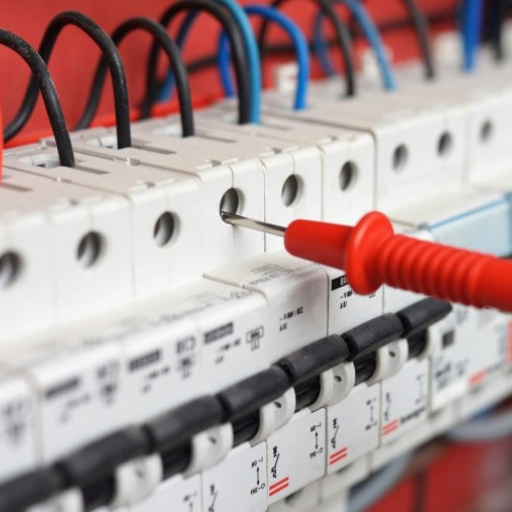
The circuit breaker power interruption system which operates through tripped circuits functions as a vital safety mechanism which protects your residence from dangerous electrical situations. The breaker system activates when a circuit exceeds its maximum current capacity or when there is a fault because this system prevents overheating which could lead to electrical fires and appliance destruction. The electrical system needs to stop working because it is essential to protect against dangerous conditions which may develop from this problem.
The Electrical Safety Foundation International (ESFI) reports that electrical fires in the United States occur at a rate of 51,000 fires per year which result in about 500 fatalities and cause 1.3 billion dollars worth of property destruction. The proper operation of circuit breakers which include advanced technology such as Arc Fault Circuit Interrupters (AFCIs) and Ground Fault Circuit Interrupters (GFCIs) would prevent many of these incidents from occurring. The specialized breakers function to detect electrical faults which include arcing and ground faults while providing multiple security measures through their fault identification system.
The frequent tripping of a circuit breaker shows that there are hidden problems which include overloaded circuits and defective wiring and broken equipment. The practice of resetting a breaker without fixing the problem leads to escalating danger levels which develop over an extended period. An overloaded circuit creates excessive heat which damages insulation materials while also increasing the risk of fire starting. The process of professional inspection functions to determine the main issue which needs to be fixed before any safety measures for system reliability can start.
The electrical system needs safe protection through safety protocols which operate properly while circuit breakers function as safety mechanisms that need to be fixed. System upgrades together with equipment monitoring and power consumption analysis work together to reduce system dangers which may arise in the future.
Understanding the Risks
People rely on electrical systems to perform their everyday tasks, yet these systems turn hazardous when users neglect their upkeep. The Electrical Safety Foundation International (ESFI) reports that electrical malfunctions stand as the primary reason for home fires, which occur at a rate of 51,000 incidents per year across the United States and result in approximately 500 fatalities and $1.3 billion in property losses. Modern system upgrades need to provide sufficient protection against present safety requirements because electrical systems fail to receive necessary maintenance during their operational period.
Most people experience electric shock hazards because they attempt to run too many devices on a single circuit, which creates an electric fire hazard through overheating. A research study from the National Fire Protection Association (NFPA) shows that most electrical accidents occur because of three major factors: improper wiring and faulty circuit breakers and misused electrical equipment. The continuous operation of high-energy devices forces older systems to function beyond their designed capacity, which increases overall operational hazards.
The absence of regular inspection work together with delayed system upgrades creates a major security threat. Electrical systems show three common issues, which include worn-out wires and degraded insulation and absence of grounding, when they reach twelve months without inspection. The implementation of modern safety technologies, which include arc-fault circuit interrupters and ground-fault circuit interrupters, helps to reduce both existing risks and future accidents which might occur.
Data demonstrates that public education combined with preventive action represents crucial components for achieving effective results. Homeowners who schedule regular electrical inspections reduce their risk for electrical fires by 25 according to safety estimates. People can protect their safety and their possessions by learning to handle electrical emergencies.
Potential Consequences of Ignoring Trips
The operation of circuit breakers and Ground Fault Circuit Interrupters (GFCIs) needs proper operational attention because their operation failure creates dangerous situations which threaten both human safety and financial assets. The breaker trip system protects electrical systems through its design which prevents wiring from overheating during excessive current flow that creates fire hazards. The National Fire Protection Association (NFPA) reports that circuit trips lead to fire hazards because people often fail to identify and fix their underlying problems, which results in hazardous conditions that cause more than 46,000 home electrical fires each year in the United States, which lead to multiple deaths and property losses that exceed 1.5 billion dollars.
The ongoing practice of disregarding trips will create destructive effects on the electrical systems and appliances throughout your residence. The operation of overloaded circuits results in decreased operational time for high-value electronic devices, which leads to increased expenses for their repair or replacement. The Electrical Safety Foundation International (ESFI) reports that people who work with electrical systems which contain permanent faults face electrocution dangers which result in numerous fatalities each year.
The investigation of frequent breaker trips needs immediate work to determine their primary causes which include both faulty equipment and outdated wiring and uneven electrical load distribution. The system introduction protects human existence and physical property, while the system introduction protects expensive system damage which will occur during future timeframes.
Common Causes of Circuit Breaker Trips
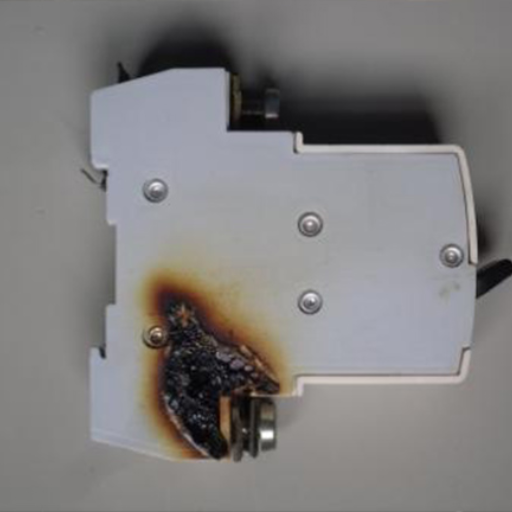
The electrical system requires safe operation to function efficiently, which requires knowledge about the typical reasons that cause circuit breakers to trip. The following list presents the most common reasons which lead to breaker tripping:
Step-by-Step Troubleshooting for Homeowners
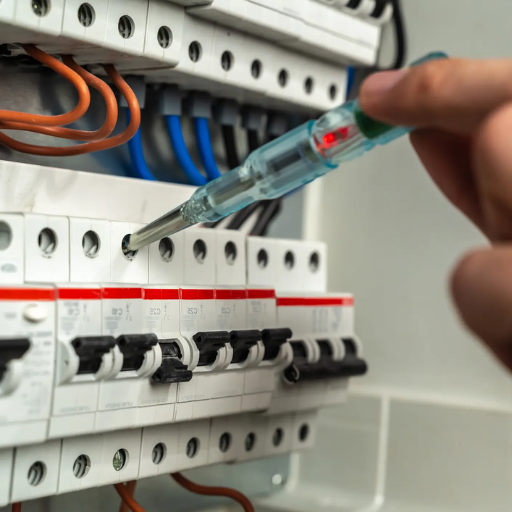
You need to maintain electrical safety standards while you work through several home electrical problems. The guide provides complete instructions which explain how to diagnose and fix problems with electrical outlets and GFCI circuits.
Test GFCI Outlets
You must activate the “Test” function on your GFCI outlet. The outlet power will shut down following this action. The electricity supply will resume when you press the “Reset” button. The outlet failed to reset because it detected a fault in either the circuit or the connected device. The Electrical Safety Foundation International (ESFI) recommends that GFCIs undergo monthly testing to verify their operational status.
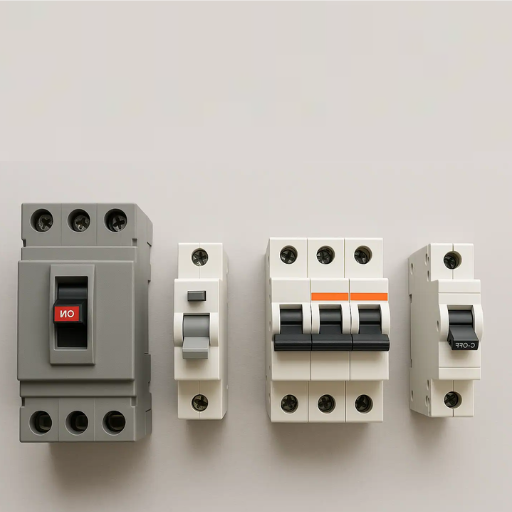
Check Circuit Breakers
You need to visit your breaker box to check which breakers have tripped. The middle position represents the typical state of a tripped breaker. The breaker requires you to turn it off before you can switch it back on to complete the reset process. The breaker will trip again because the circuit contains either an overloaded condition or a short circuit.
Inspect for Overloaded Circuits
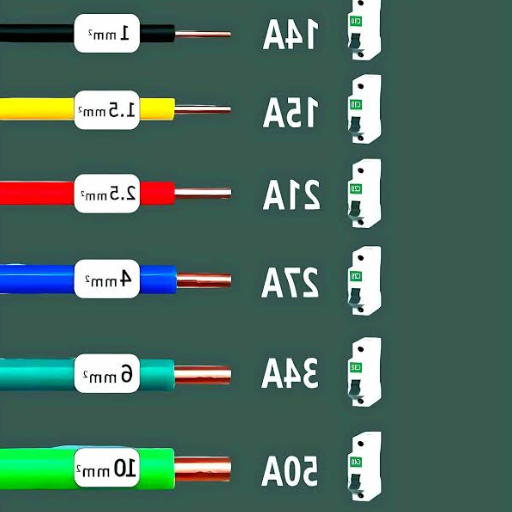
You need to unplug some devices because power restoration will show if the problem will happen again. The National Electric Code (NEC) requires electrical systems to operate within 80% of their circuit breaker capacity for safe operation.
Identify Faulty Appliances
You need to test the outlet by plugging different devices into it. The circuit will trip because one specific appliance creates an internal short. You should consider having the appliance serviced or replaced.
Look for Visible Damage
The examination needs to identify burnt outlets, discolored outlets, frayed wires, and loose connections because these elements represent electrical dangers. The inspection requires power supply deactivation because it protects against electrical shocks.
Test for Voltage
The outlet voltage needs testing with a multimeter because it measures electrical current. U.S. homes follow standard voltage requirements which provide 120V to regular outlets and 240V to large appliances like dryers and ovens. The electrical wiring system experiences problems when voltage measurements show considerable variation from standard values.
Reset All GFCIs
Multiple outlets downstream from one GFCI connection. The power restoration process needs testing and resetting for all GFCI outlets which exist in the affected areas.
Call a Licensed Electrician
A licensed electrician needs to evaluate the situation when the problem remains unsolved and circuit breakers keep tripping. The persistent issues require professional evaluation because they indicate major wiring problems.
⚠️ You can solve most electrical problems at home through these instructions and the use of multimeters and outlet testers. You should contact professionals to handle your situation when you feel uncertain about what to do next. More than 51,000 electrical failures cause home fires each year in the United States according to research from NFPA. People can stop both major damage and minor problems through immediate careful measures.
How to Reset a Tripped Breaker
The guide provides updated best practices through its detailed instructions which describe current best practices.
1. Locate the Circuit Breaker Panel
The main electrical panel in your house usually exists in spaces such as basements and garages and utility rooms. Work on the panel requires the area to have proper lighting and all safety hazards to be removed completely.
2. Inspect the Breakers
The panel door needs to be opened so that you can find the breaker which exists in the off position. The tripped breaker position shows a slight misalignment which makes it appear less straight than the other breakers which remain “on”.
3. Identify the Cause
Before resetting the breaker you need to find out which reason caused its trip. The most common reasons for this issue stem from overloaded circuits and defective appliances and short circuit events. The circuit requires you to unplug all devices before you attempt to reset the breaker.
4. Switch the Breaker Off
The tripped breaker needs to be turned off because this action needs to be performed for correct reset procedures. The breaker needs this step because some breakers will not reset until you perform this action.
5. Reset the Breaker
The breaker needs to be moved back to “on” because you need to flip the switch. The device will generate an audible click sound which indicates that it has engaged into its active state. The breaker should be investigated because it keeps tripping again which indicates an underlying electrical fault.
6. Reconnect Devices Gradually
The breaker will remain in the “on” state after multiple devices have been tested until you find the exact appliance which created the problem. Space heaters and microwaves function as high-energy devices which present a risk of circuit overloads.
⚠️ Additional Tips and Warnings
- 🔴
The licensed electrician should be consulted when the breaker continues to trip or when you believe that there exists a different electrical problem. - 🔴
The attempt to maintain a breaker in its “on” state will create dangerous conditions which could result in electrical fires. - 🟡
The U.S. Consumer Product Safety Commission (CPSC) recommends that circuit users should not exceed 80% of a circuit’s total capacity because this practice creates overload dangers. - 🟢
The routine examination of home appliances and electrical wiring should be performed to maintain safety because this practice decreases the likelihood of circuit interruptions. - 🟢
The replacement of old or damaged breakers will make your electrical system function at its highest efficiency level.
The process of maintaining your home electrical system and following these procedures will help you achieve safe operation while reducing the number of times breakers will trip.
When to Call an Electrician to Your Location
I must telephone an electrician because my home experiences frequent breaker trips which occur together with burning smells from outlets and flickering lights. The signs indicate that an electrical problem requires expert assistance because of its hidden nature. I need to contact an electrician when I want to install new appliances or when my home needs electrical system upgrades to guarantee safe and code-compliant work.
Safety Warning Signs That Require Immediate Attention
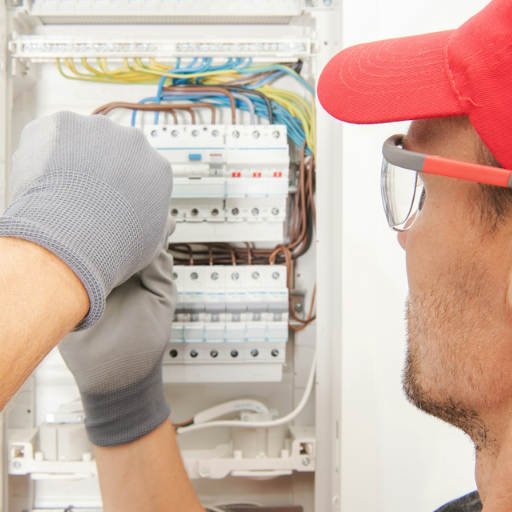
The ability to identify electrical hazard warning signs protects your safety while it helps prevent dangerous accidents. The following signs require immediate action which consists of three essential elements.
| # | Warning Sign | Description | Action Required |
|---|---|---|---|
| 1 | 🔥 Burning Smells or Scorched Outlets | The detection of burning odors near outlets together with scorch marks shows that overheating or wiring issues are present. The ESFI reports that overheated appliances and wiring systems create the highest risk of electrical fires in homes. | Immediate |
| 2 | ⚡ Frequent Circuit Breaker Trips | A breaker tripping once in a while happens as expected but multiple trips indicate that circuits experience either overloading or short circuit problems. NFPA data shows that circuit overloads represent one of the top causes for electrical fires to start. | Urgent |
| 3 | 🔊 Buzzing or Crackling Sounds | Electrical outlets together with switches produce unusual buzzing and crackling and popping noises which show that their connections are loose or their wiring is defective. Immediate inspection is necessary, as these issues can escalate quickly. | Immediate |
| 4 | 🌡️ Warm or Hot Outlets and Switches | Touching outlets or switches which display warm surfaces shows that their internal wiring has sustained damage or their current capacity has surpassed safe operating limits. The ESFI recommends stopping the use of affected outlets or switches until inspected by a professional. | Immediate |
| 5 | 💡 Flickering or Dimming Lights | The electrical system encounters problems because certain appliances cause lights to flicker and dim because of overloaded circuits and loose wiring and electrical panel system failures. The system will fail if the current situation continues without any intervention. | Urgent |
| 6 | ⚡ Electrical Shocks | People who experience mild electric shocks when they plug in or touch appliances should treat this situation as an emergency. The situation shows that both grounding problems and old wiring systems exist which create major dangers. | Emergency |
| 7 | 🔥 Excessive Heat in Electrical Panel | The electrical panel produces excessive heat because of circuit stress or because it contains dangerous wiring. Electricians who hold licenses must evaluate these problems because they create risks of overheating and fire danger. | Emergency |
⚠️ The warning signs need immediate action because they require urgent attention. NFPA data shows that electrical problems start more than 46,000 home fires which lead to billions in property damage and result in hundreds of injuries and deaths throughout the United States.
All electrical problems require immediate assessment by certified electricians who should handle the complete solution process from evaluation to repair.
Unusual Smells or Sounds
The electrical system produces strange odors and sounds which need urgent resolution because these symptoms indicate existence of dangerous problems that threaten safety. A persistent burning smell which occurs near outlets and switches and wiring must be investigated because it indicates possible electrical system overheating that leads to fire danger. The presence of buzzing and crackling and sizzling sounds indicates that there are loose connections or overloaded circuits or faulty wiring problems.
According to recent data from the Consumer Product Safety Commission (CPSC) electrical malfunctions cause approximately 10 percent of residential fires which occur each year throughout the United States. Fires occur because of improper wiring or component damage which requires immediate evaluation after any strange odors or sounds develop. The situation presents fire hazards which create danger to safety yet results in costly repairs and destruction of essential electronic equipment.
🚨 The process to prevent these dangers requires people to switch off electrical power in the affected space and to hire an authorized electrician to conduct a professional examination. The practice of certified electrical equipment maintenance together with proper equipment usage leads to decreased chances of electrical hazards. People who follow warning signs and take immediate action will keep their home and family members safe.
Frequent Tripping of Breakers
The electrical problems which cause circuit breakers to trip need immediate repairs because they qualify as emergency situations. Circuit breakers serve as home protection devices because they interrupt electrical flow during circuit overloads or short circuit events. Your home experiences three electrical issues which cause breakers to trip because of overloaded circuits and outdated electrical panels and faulty wiring systems. The most common reason for breakers to trip multiple times in home environments stems from overloaded circuits according to current research findings. A typical household circuit is designed to handle around 15 to 20 amps of current but using high-demand appliances like microwaves hairdryers or air conditioners simultaneously on the same circuit will overload it and cause a trip. Dedicated circuits for high-energy devices should be established together with proper load distribution to prevent multiple incidents from occurring.
Frequent breaker trips can also occur because old electrical panels or their damaged components create these problems. Recent studies show that homes built with electrical systems from more than 30 years ago have higher fault risks because their older panels fail to support current energy requirements. A modern panel installation with increased capacity will resolve this problem in the long run.
The installation of faulty wiring occurs when wiring contains exposed wires and loose connections and insulation materials experience degradation which raises the possibility of short circuit incidents. The National Fire Protection Association (NFPA) reports that between 2015 and 2019 electrical failures and malfunctions caused approximately 13% of all U.S. home structure fires. People need immediate assessment and intervention of all wiring faults because they create safety risks and power supply reliability issues.
✅ The process of resolving frequent breaker trips starts with professional inspection work to determine the actual problem and it continues with testing your electrical system to confirm its ability to power your home correctly. The prevention of these disruptions depends on two essential elements, which are regular electrical maintenance activities and strict compliance with safety regulations.
Signs of Overheating
The dangerous problem of electrical system overheating creates multiple hazardous situations which can present themselves through various indications that show excessive heat. The presence of excessive heat will show through discoloration or scorch marks which appear around outlets and switches. The situation becomes dangerous when electrical outlets and appliances emit a burning odor which needs urgent response. The sensation of warmth from outlets and switches indicates that the electrical system may experience circuit overloads or wire damage.
The National Fire Protection Association NFPA reports that electrical system faults and failures caused the second highest number of U.S. home fires between 2015 and 2019 because overheating parts of electrical systems created these fires. The usage of outdated wiring systems, such as aluminum wiring installed in older homes, significantly increases the risk of overheating. The combination of overloaded electrical panels and users who select improper extension cords creates a situation that results in the production of excessive heat.
🔑 To prevent overheating you must establish correct system installation procedures and maintain circuit capacity limits and schedule regular expert assessments of your electrical system. Fast detection together with quick response actions will help decrease hazards while protecting both assets and human lives.
Frequently Asked Questions (FAQ)
References
- 📄
QUICK GUIDE: Circuit Breaker Tripping and Electrical Safety — This guide discusses electrical shock hazards and the importance of addressing circuit breaker issues. - 📄
Electrical Safety Fact Sheet by Clemson University — Highlights clues of electrical hazards, including circuit breakers tripping. - 📄
Electrical Safety by CDC/NIOSH — Discusses frequent circuit breaker tripping and its implications for safety.