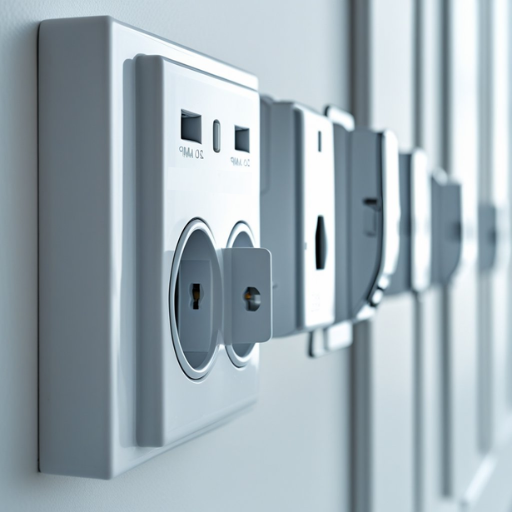
The entire process of learning electrical safety system operation requires complete study dedication from all individuals who work with electrical systems at home and in professional settings. The system protects against electrical hazards by using Ground Fault Circuit Interrupters (GFCIs) which detect electrical faults and cut power to the affected circuit. The GFCI device becomes difficult for users to operate because its “Line” and “Load” labels describe different device functions. The article presents both terms through practical examples which enable users to learn correct wiring techniques. The guide provides you with correct procedures to install GFCI devices which you will use for your electrical work and home improvement projects.
Introduction to GFCI Outlets
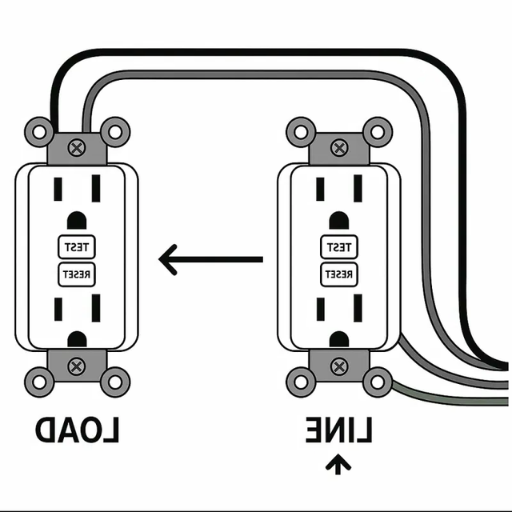
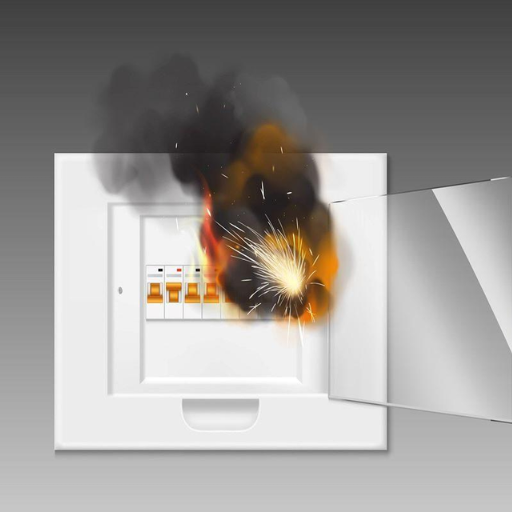
Ground Fault Circuit Interrupter (GFCI) outlets serve as safety equipment which protects people from electrical shocks that result from ground faults. The system monitors electricity flow between two points and shuts down power when it detects an imbalance because this situation leads to dangerous conditions. People use GFI outlets in places that experience high moisture levels like kitchens, bathrooms, and outdoor areas. The system protects people from electrical hazards who work in these locations when their work facilities use these machines.
⚡ What is a GFCI Outlet?
A GFCI (Ground Fault Circuit Interrupter) outlet is a device that prevents electrical shocks by cutting power when it detects an electrical current imbalance which happens in kitchens, bathrooms, and outdoors especially in areas with high moisture.
Importance of GFCI in Electrical Safety
The safety of electrical systems in areas which experience water or high humidity conditions depends on GFCI outlets which serve as essential protective devices. The system protects users from deadly electrical shocks which reduces electrical-related injuries that happen because of system failures. The following five reasons establish GFCI outlets as vital components for maintaining electrical safety.
🛡️ Shock Prevention
GFCI outlets shut down electrical power when they identify even tiny changes in electrical current because this action protects users from potential electrical shock hazards.
🔥 Fire Prevention
Electrical fires can start when ground faults or short circuits occur in outdated electrical systems. The system detects these situations through its ability to detect and address unexpected current flow problems.
📋 Compliance with Electrical Codes
Current building codes mandate GFCI outlet installation in moisture-prone areas which include kitchens and bathrooms and laundry rooms to achieve both safety and code compliance.
📉 Reduction in Electrocution Incidents
The Electrical Safety Foundation International (ESFI) reports that GFCI outlets which became available in the United States have decreased electrocution deaths by more than 80 percent since their introduction.
💰 Cost-Effective Protection
GFCI outlet installation offers an economical solution that protects electrical systems from dangerous situations while safeguarding people without requiring expensive or complicated protective measures.
GFCI outlets function as an effective yet straightforward method which enhances electrical safety by eliminating electrical dangers from normal daily spaces.
Common Applications of GFCI Outlets
GFCI outlets protect people from electrical shocks in places where water meets electrical systems. GFCI outlets serve as mandatory safety equipment which needs to be installed in five specific locations.
| Location | Why GFCI is Required |
|---|---|
| 🚿 Bathrooms | People need GFCI outlets in bathrooms because they use water near electric hair dryers and electric razors. U.S. building regulations mandate that all bathroom receptacles must have GFCI outlets installed. |
| 🍳 Kitchens | Modern kitchens require GFCI outlets because people use small electrical appliances which include toasters and blenders and coffee makers while they work near kitchen sinks and water sources. GFCI outlet installation provides protection against electrical dangers which exist in these dangerous locations. |
| 🧺 Laundry Rooms | GFCI outlets function as vital safety instruments for laundry rooms because washing machines and utility sinks create situations where water and electricity create hazardous conditions. |
| 🔧 Garages | People use garages to store their power tools and outdoor equipment together with other electrical devices. GFCI outlets become essential tools which protect users from electrical shocks because moisture from outdoor elements and spills enters the space. |
| 🌿 Outdoor Areas | All outdoor receptacles require GFCI outlets because they face exposure to rain and snow and irrigation systems. This requirement applies to all outlets which provide power for lighting or holiday decorations or power equipment. Outdoor GFCI outlets must also be weather-resistant for added durability and safety. |
Line and Load Connections Explained
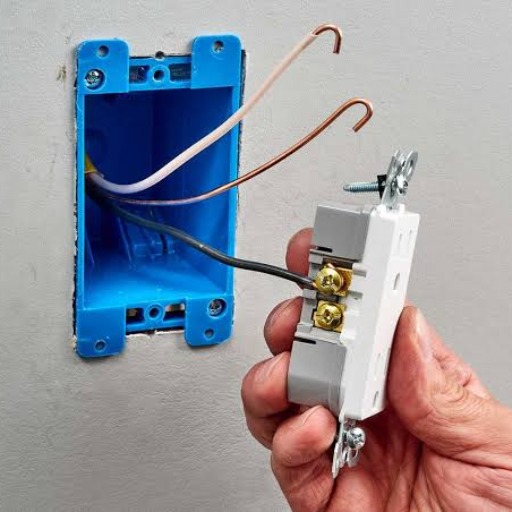
The correct wiring procedure for a Ground Fault Circuit Interrupter (GFCI) outlet requires line and load connections which establish the necessary link between its power source and its device protection system. The successful installation of such devices depends on people who need to learn about the way these specific connections function.
What Are Line and Load?
🔵 Line Connection
The term “line” connection describes the electrical wires which transmit power from the electrical panel to the GFCI outlet. This wire system delivers power to the outlet and all connected devices which are directly fastened to it.
Users who want to use the GFCI outlet must connect their hot wire which is usually black and their neutral wire which is usually white to the terminals that display the “LINE” label.
The GFCI device requires proper connection of line wires because any mistake in this process will cause the GFCI to stop working as designed.
🟢 Load Connection
The GFCI system uses its “load” connection system to distribute electrical power to devices and outlets which exist after the GFCI outlet. The GFCI circuit protects additional outlets through its built-in security features which create a protective circuit for these extra outlets.
The GFCI system includes special load terminals which become operational when users attach their additional outlets and equipment to the system.
⚠️ Why Does This Matter?
GFCI outlets will stop power flow when electrical faults occur if their wires connect to the proper terminals. When the wires connect incorrectly because of reversed line and load connections, the GFCI will not function during faults which creates an unsafe situation because the circuit remains unprotected.
Tips for Proper Connection
- All wiring work requires power to be turned off at the main electrical panel before any work begins.
- The circuit tester identifies which wires function as “line” (incoming power) and which wires serve as “load” (downstream connections).
- You should leave “load” terminals empty when no downstream devices require protection because it creates a simpler system setup.
Homeowners and electricians can improve electrical safety while meeting current electrical code requirements through their understanding and application of line and load connection principles.
Identifying Line vs Load in Wiring
The evaluation process for identifying which wires in a circuit function as “line” and “load” must happen before electricians can proceed with their work because both operation needs and safety rules depend on this requirement. The “line” wire delivers electrical power from the panel to the building while the “load” wire distributes electricity to various devices and outlets throughout the space.
Identification Process Through Detailed Steps
-
1
Turn off Power at the Breaker Panel:
Always start the procedure by turning off the circuit breaker which controls the electrical system because this method protects against electric shocks. The electrical circuit needs to be tested with a voltage tester to check for any ongoing electricity flow.
-
2
The Wires Need to Be Separated:
The electrical box requires safe procedures to segregate its internal wiring. The most common wire types include black which serves as hot wire, white which functions as neutral wire, and ground wire which appears as bare or green wire.
-
3
Use a Voltage Tester or Multimeter:
The voltage tester or multimeter needs to be used after restoring power for testing which wire receives electricity from the panel. Your “line” wire needs to be identified because it functions as the live wire carrying electrical power.
-
4
Identify Load Connections:
After determining the “line,” identify if there are additional wires routed to downstream devices like outlets or lights. The wires that connect to downstream devices function as “load” components.
📊 Latest Data Regarding Line and Load Miswiring
The Electrical Safety Foundation International (ESFI) report from 2022 showed that line and load wire identification errors lead to 17% of electrical fires in residential buildings. Homeowners create this problem through two reasons which include their inability to separate power circuits from their electrical system and their incorrect understanding of home wiring functions. People who install Ground Fault Circuit Interrupters (GFCIs) for the first time will break outlets because they incorrectly link the “line” and “load” terminals together.
Tips for Avoiding Errors
- GFCI outlets display their “line” and “load” terminals through their device or outlet labeling system.
- Electricians need to review circuit diagrams together with licensed electricians when they face complex layout challenges.
- The process of miswiring creates two results which lead to device damage and safety feature malfunction.
- Testing tools available through commercial sales allow users to detect “line” wires because the tools use light and sound signals to show the wire’s location.
The combination of detailed procedures with essential equipment enables professionals and DIY workers to establish safe practices while they work according to current electrical standards. Builders must use proper identification techniques because these methods help them build systems which last longer and meet safety requirements in residential areas.
Key Differences: GFCI Line vs Load
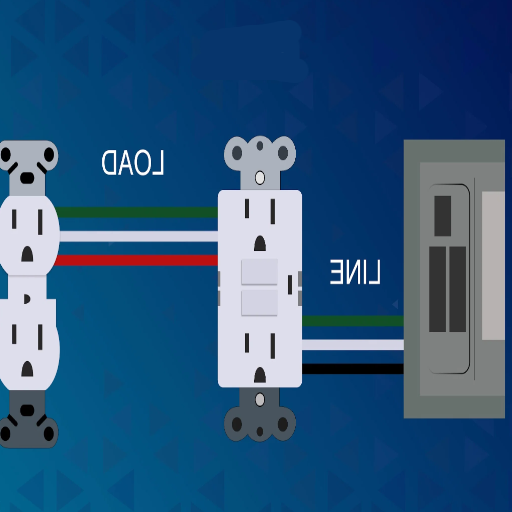
| Aspect | 🔵 Line Terminal | 🟢 Load Terminal |
|---|---|---|
| Definition & Purpose | The Line terminal functions as the primary connection point which allows electrical power from the electrical panel to enter the system. The Line terminal supplies electricity to the GFCI outlet and all devices which are connected to that outlet. | The Load terminal provides GFCI protection for outlets which connect to its downstream distribution system. The entire circuit receives additional protection which extends beyond the GFCI device’s main protection area. |
| Wiring Requirements | The Line terminal needs to receive its wiring because it delivers power which comes into the outlet. The GFCI device will not activate when the Line wiring has been improperly connected. | The Load terminal requires its wiring to be done after all users have been identified who will use connected downstream outlets. Users who connect Load wiring will create safety hazards because their connected outlets will lose GFCI protection. |
| Functionality | The system provides power to the GFCI device which uses its internal functions to detect ground faults. | The Load connection to GFCI protection extends power distribution to all outlets which connect to the system after the GFCI device. |
| Safety Impact | The correct identification of the Line terminal enables the outlet to maintain its operational capacity. | The Load wiring installation which operates improperly will block GFCI protection at downstream outlets while increasing electrical shock hazards for everyone. |
| Testing & Troubleshooting | A voltage meter can perform basic testing to show whether power is present at the incoming circuit. | Users must verify GFCI protection for downstream outlets which sometimes requires advanced troubleshooting to confirm all systems work properly. |
Understanding the differences between these two aspects helps people to install GFCI systems successfully while maintaining safe and compliant electrical installations.
Functionality of Line and Load Connections
GFCI outlets need installation knowledge about line load connections because their functions handle different safety aspects which protect people from electrical hazards. The following points explain the system’s operational features.
Power Supply Through the Line
The line connection serves as the entrance point through which power enters the device. The line functions as the power source which brings electricity from the circuit breaker or electrical panel to the device.
Data Example: Voltage at the line terminals typically measures 120V (in the US) or 240V (in other standard systems).
Protection of Downstream Outlets via Load
The load connection allows GFCI protection to continue working which power flows to the outlets controlled through this connection. All circuit devices can access ground-fault protection systems which protect them from electrical risks through this system.
Fault Detection at the Line Connection
GFCI systems monitor line activity to find ground faults because these faults occur when hot wires touch neutral wires. The system interrupts power when it detects a fault to safeguard users from electric shock hazards.
Reset and Test Mechanisms
The GFCI system uses its line connection to operate its reset and test functions because this connection supplies continuous power to the system without any dependence on load connection operations. The built-in safety features of the device enable it to carry out crucial safety checks without needing additional wiring.
Load-Driven Circuit Continuity
The load connection supplies power to users and their devices while maintaining circuit safety during current flow from plugged-in devices to downstream outlets.
Data Example: The load connections must be set up correctly to enable downstream outlets to work properly while maintaining GFCI protection.
The system requires proper installation of line and load connections because this procedure helps maintain safety standards while ensuring compliance with electrical codes. Dangerous conditions arise through incorrect wiring which disables the system’s protective features.
Wiring Issues Associated with Incorrect Connections
The faulty connection of line and load wires creates three primary issues which lead to dangerous safety situations and reduced system performance and electrical safety breaches.
⚠️ Complete Protection System Failure
GFCI systems experience their most frequent malfunction when the complete protection system of the device stops working. The downstream outlet protection system will not work because their line and load wires were connected incorrectly which creates a danger of electrical shock and fire hazards.
⚡ Equipment Damage from Voltage Issues
The equipment will sustain damage because miswired circuits create either overvoltage or undervoltage conditions which affect sensitive electronics.
🔄 Reverse Polarity Problems
When technicians perform improper wiring by switching the hot and neutral wires, their devices will stop working because of reverse polarity.
The evidence shows that installers and maintenance personnel need to check all connections during their work because this process helps them find dangerous problems which lead to expensive mistakes. The process of wiring connections requires electricians and homeowners to consult product manuals while using voltage testers and following the National Electrical Code (NEC) guidelines.
Grounding Considerations for GFCI Wiring
The secure operation of Ground Fault Circuit Interrupters (GFCIs) depends on the establishment of proper grounding systems which serve as essential components for their functioning. The system needs proper grounding because it establishes electrical shock protection which safeguards both people and their devices. The following list presents five essential factors which should guide GFCI wiring grounding practices:
- 🔌
Grounding Conductor Requirement: The GFCI circuit requires a grounding conductor which provides a safe path for electrical faults to exit the system. This component functions as a critical element which enables the breaker or outlet to activate correctly during fault conditions while decreasing hazardous situations.
- 🔗
Bonding Between Ground and Neutral: The bonding between grounding and neutral wires needs to occur exclusively at the main service panel which serves as the entry point for electricity into the building. Incorrect bonding elsewhere can lead to dangerous current flow through unintended pathways.
- 🔍
Testing Grounding Continuity: The GFCI installation process requires a grounding connection continuity test to be conducted before GFCI installation starts. The GFCI needs a reliable ground system to detect fault currents and perform its intended functions.
- 🔩
Use of Ground Screws: The GFCI outlet requires its grounding wire to be connected through the green ground screw which serves as the specific connector for this purpose. The method of attachment establishes a connection which meets electrical code requirements while providing secure and operational functionality according to standards.
- 📄
Ground Fault Protection Without Grounding: The ungrounded systems which GFCIs protect through ground fault protection need to display specific warning labels which indicate the absence of equipment grounding. The National Electrical Code (NEC) provides necessary guidelines which need to be followed for maintaining safety in these situations.
The following grounding practices help electricians and homeowners achieve GFI installations which meet safety standards while complying with building regulations.
Wiring a GFCI Outlet
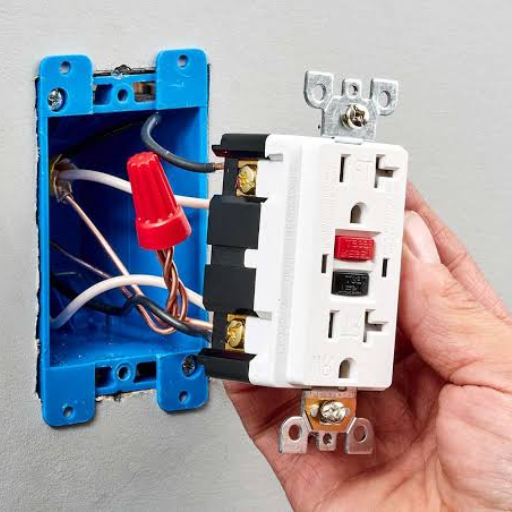
The wiring process for a GFCI outlet needs to be executed correctly because it ensures both safety requirements and legal electrical standards. The following installation procedure for a GFCI outlet includes all necessary steps and installation requirements based on current installation practices.
📌 Key Considerations and Data
- Code Compliance: The 2023 NEC requires GFCI outlets to be installed in all areas that include kitchens, bathrooms, garages, basements, and outdoor spaces which experience high moisture levels.
- Wiring Safety Stats: Studies show that electrical fires occur because of improper wiring which makes it necessary to wire GFCI outlets with correct procedures.
- Avoid Overloading: You should not connect high-load appliances to a load-protected GFCI outlet because this will result in unwanted tripping of the circuit breaker.
You should install a GFCI outlet by following the complete procedure which provides safety measures and installation instructions. You should hire a licensed electrician when you face any doubts which arise throughout the installation process.
Step-by-Step Guide to GFCI Outlet Wiring
🧰 Required Equipment and Supplies
- GFCI Outlet
- Flathead & Phillips Screwdrivers
- Voltage Tester
- Wire Stripper and Cutter
- Electrical Tape
- Outlet Cover
- Circuit Tester
Turn Off the Power
You need to start by turning off the circuit breaker which provides electricity to your outlet installation or replacement project. Use a voltage tester to confirm there is no current flowing to the wires. This step protects your safety because electrical shocks can result in fatal injuries.
Remove the Existing Outlet
Remove the wall plate that covers the existing outlet by unscrewing it. The installer must unscrew the mounting screws which secure the outlet before he can gently extract the outlet from its electrical box. You can take a reference picture with your smartphone to remember the arrangement after making a note of how the wires connect.
Understand GFCI Anatomy
A GFCI outlet has two sets of terminals:
- Line Terminals (for incoming power)
- Load Terminals (for downstream outlets requiring GFCI protection)
⚠️ The common mistake of connecting terminals incorrectly occurs when users fail to follow outlet labeling instructions.
Connect the Wires
The wire stripper should be used to strip approximately ¾ inch of insulation from the wire bundle. The black hot wire from the power source should be connected to the brass Line terminal while the white neutral wire should be connected to the silver Line terminal. The ground wire should be connected to the green ground screw. We need to connect our downstream wires to the Load terminals so we can protect our extra outlets.
Secure the GFCI Outlet
The GFCI outlet installation process reaches its fifth step when you need to secure the GFCI outlet by properly folding wires within the electrical box before fastening the outlet through screws. The outlet cover needs to be attached to the outlet with the purpose of creating a tidy appearance.
Restore Power and Test
The sixth step of the process requires you to turn on the circuit breaker and use the GFCI outlet buttons to test the outlet. The system requires wiring verification when it fails to function correctly. A circuit tester should be used to check wiring accuracy and to see if the connected outlets receive surge protection.
📊 Important Data and Notes
- GFCIs prevent more than 50 percent of home electrocution accidents according to the Electrical Safety Foundation International (ESFI).
- The contemporary GFCI outlets utilize LED lights which display operational status through a green light and ground fault detection via a red light.
- The National Electric Code (NEC) requires GFCI outlets to be installed in all indoor and outdoor areas that experience wet or damp conditions which include kitchens, bathrooms, garages, basements, and outdoor spaces.
The steps together with their safety rules will result in proper GFCI outlet installation when you put them into practice. If you have doubts about electrical work, you should always contact a licensed electrician, who will help you stay safe while following the local electrical rules.
Common Mistakes When Wiring GFCI Outlets
❌
Incorrect Line and Load Connections
The most common error occurs when people choose to switch the positions of line wires and load wires. The “line” connection receives power from the incoming electrical supply while the “load” connection protects all outlets that follow it. The GFCI outlet will stop working correctly because the wires have been connected in reverse order which prevents the device from protecting against electrical shocks.
❌
Failing to Turn Off Power Before Installation
People tend to forget about deactivating the circuit power supply before they begin working. The presence of live wires during electrical work creates conditions which heighten the risk of electric shock while developing unsafe situations which endanger all workers.
❌
Using Standard Outlets in Place of GFCIs
Some people use regular outlets instead of GFCI outlets in bathrooms and kitchens which need moisture protection. The mistake results in users facing electric shock risks when they enter wet spaces.
❌
Not Grounding the Outlet Properly
The failure to ground outlets through proper methods leads to unsafe equipment operation which causes system malfunctions. The GFCI outlet depends on grounding to maintain safety and proper operational capabilities.
❌
Overloading the Outlet
The GFCI device will experience damage because users connect multiple devices while exceeding the outlet’s maximum safe amperage. It’s crucial to check the amperage capacity and not exceed the limitations of the circuit.
Safety Tips for GFCI Installation
✅
Use the Appropriate Outlet
GFCI outlets need to be used according to their intended design because GFCI outlets require particular locations and specific functions to operate properly. The National Electrical Code (NEC) requires GFCI outlets to be installed in outdoor areas and wet locations which need outlets that can withstand weather conditions and prevent unauthorized access.
✅
Turn Off Power Before Installation
Electricians need to deactivate all electrical power to the circuit from the breaker panel before they can commence their work. The entire power system must be tested with a voltage tester to prove that power remains off before any wire work begins.
✅
Follow NEC Guidelines
The NEC requires GFCI outlets to be installed in specified locations which include kitchens, bathrooms, laundry rooms, garages, basements, and outdoor areas. The areas present a danger because they face permanent moisture exposure which makes electrical shock accidents more likely.
✅
Test the Outlet Regularly
The GFCI outlet includes a test button and a reset button. The test button validates the device’s operational status. The Electrical Safety Foundation International (ESFI) recommends you should perform monthly tests on GFCIs to ensure your protection stays active.
✅
Check for Loose Connections
Loose wires which connect to electrical systems create problems which lead to system breakdowns. The installation requires double verification of all connections which needs wire nuts to fasten connections that need securing.
✅
GFCIs Must Be Installed On Circuits Which Present High Shock Hazards
GFCI outlets protect against electrical shocks which occur in circuits that run through wet areas or high humidity conditions. Research demonstrates that GFCIs decrease electrocution risks by 83% in environments with water exposure.
✅
You Should Hire A Certified Electrician When You Have Electrical System Doubts
People who lack electrical system knowledge should hire a certified electrician to handle GFCI outlet installation and inspection tasks. The improper installation process creates major safety hazards which include electrical fires and equipment that fails to work.
✅
Do Not Daisy Chain Multiple GFCIs
The practice of connecting multiple GFCI outlets on one circuit through a series connection needs to be avoided. The circuit needs one GFCI outlet which should be installed at the start to protect all outlets that come after it.
The guidelines provide you with a method to create safe GFCI outlet installations which will operate safely while delivering essential protection against electrical shocks and other dangers.
Troubleshooting GFCI Outlets
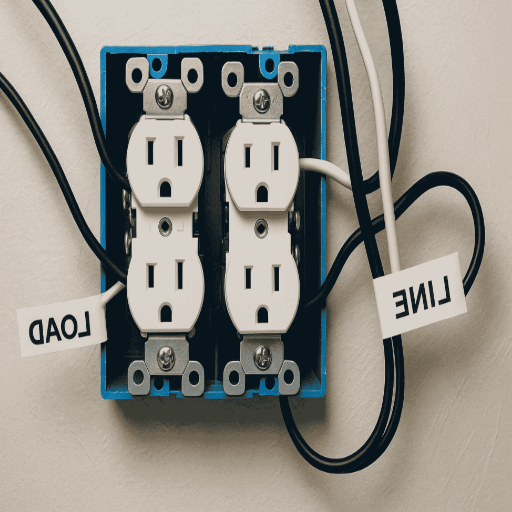
The following five common problems with GFCI outlets provide their solutions to help you identify and fix your GFCI outlet.
Identifying Common GFCI Issues — Data Overview
Ground Fault Circuit Interrupters (GFCIs) operate by cutting off electrical power when they detect various current imbalance situations which enables them to provide improved electrical safety protection. The device functions correctly but experiences operational difficulties which occur during its normal usage. The following provides a comprehensive explanation which shows readers how to identify GFCI problems while using the most recent evidence and information.
| Issue | Possible Cause | Solution | Key Data |
|---|---|---|---|
| Frequent Tripping | Appliance problems, moisture, circuit overload | Disconnect appliances, reconnect one at a time, check for overload | 60% of trips caused by ground faults or moisture |
| Won’t Reset | Wiring faults, power interruption, damaged hardware | Check breaker, verify wiring, replace if defective | Incorrectly wired GFCIs fail to reset 20% of the time |
| Feels Warm | Overloads or wiring defects | Switch off, check loose connections, replace if overheating continues | 10% of GFCIs with overheating display continuous overheating |
| Indicator Light Failure | Power loss or complete outlet failure | Check power supply, reset outlet, replace if no light | 15% of GFCI failures result from indicator light problems |
You can keep your GFCI outlets safe and operational through the combination of understanding common problems and implementing preventive solutions. The electrical system testing requires you to focus on maintaining safety as your primary concern. A licensed electrician can provide help when you face ongoing difficulties or lack knowledge about the next steps. GFCI outlets protect people and property from electrical hazards which makes their proper maintenance essential for safeguarding both.
How to Reset a GFCI Outlet
The GFCI outlet requires reset because it no longer functions after the system encountered a ground fault and power surge. The following procedure needs to be executed in order to finish the assignment:
-
1
Locate the GFCI Outlet
The GFCI outlet that requires resetting needs to be located. GFCI outlets usually have two buttons which display the “Reset” function through a red button and the “Test” function through a black button. These outlets are designed for installation in spaces which experience water contact such as kitchens and bathrooms and garages and outdoor areas.
-
2
Check for Tripping
The outlet needs to be examined to verify whether it has tripped. The GFCI outlet shows a tripped condition through its “Reset” button which has moved to an extended position. The devices connected to the outlet will experience a loss of electricity.
-
3
Unplug Devices
The user needs to unplug all devices which use the outlet before resetting. The step helps to prevent any electrical surge which might occur during the outlet reset process while also confirming that no malfunctioning device creates the problem.
-
4
Press the Reset Button
The “Reset” button needs to be pressed forcefully until it makes a clicking sound. The action establishes electrical service to the outlet and all outlets that branch from it.
-
5
Test the Outlet
The outlet needs testing to confirm whether it works after the reset process. You can test power supply to the system by connecting a small appliance or device to the outlet. The “Test” button needs to be pressed to check whether the GFCI protection system operates properly. The “Test” button should turn off the electricity supply in a temporary manner which will be restored when the “Reset” button is pressed.
-
6
Troubleshooting if Reset Fails
The outlet needs testing for moisture and debris and physical damage because these three factors can prevent the outlet from functioning. The circuit breaker needs testing to determine whether it has tripped. Users must reset the breaker whenever it needs to be reset. Users must check their devices after they disconnect from power to test dangerous appliances which could create ongoing outages. The GFCI outlet requires inspection because the wiring needs testing after the problem continues to exist. You should hire a licensed electrician to perform a thorough assessment of the situation.
ℹ️ Additional Information
- The Consumer Product Safety Commission (CPSC) reports that GFCI outlets can prevent more than 50 percent of home electrocutions.
- The system requires monthly testing because its operational capabilities need to be verified.
- The modern outlets come with built-in status indicators which use LED lights to display their current operational state.
- The outlet operates normally when a solid green light appears but red lights and missing lights indicate a problem.
You will improve your home’s electrical system safety and reliability by following these maintenance procedures and maintaining your GFCI outlets.
Frequently Asked Questions (FAQ)
📚 References
- Leviton: Installing and Testing a GFCI Receptacle
- Harbor Freight: Installing and Testing a GFCI Receptacle
- Lowe’s: CAUTION Installing and Testing a GFCI Receptacle