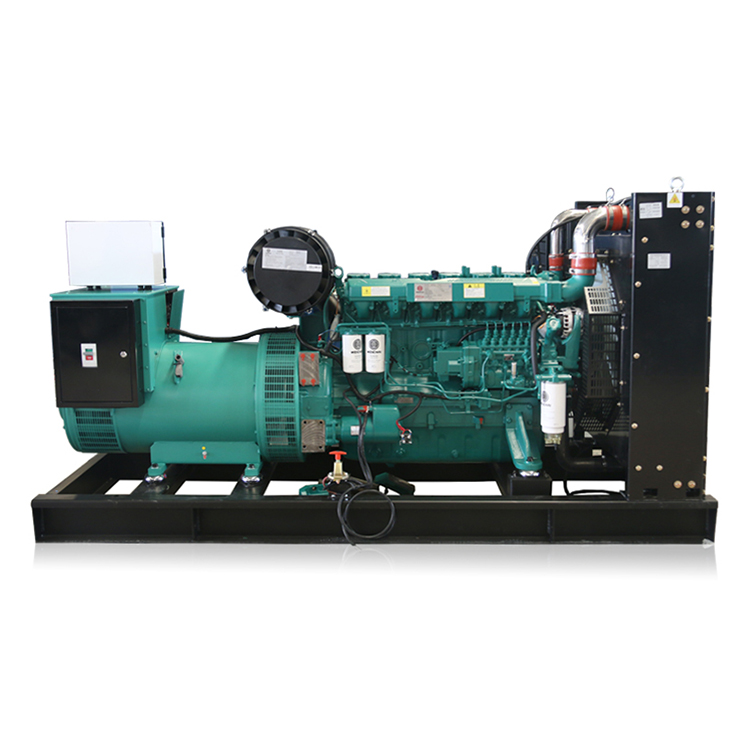
Transformers help distribute electrical power through their operation as essential elements which control electricity flow within power networks yet their functioning remains challenging because of their specialized technical requirements. The term “MVA” which people often overlook represents an essential unit that helps to understand transformer capacity and its function in electrical networks. The MVA rating system delivers vital information for engineers and technicians who work in power systems because it influences all aspects of system operation from energy distribution to operational stability. The article presents MVA as a concept which explains its role in transformer rating assessment while showing its connection to electrical system behavior. This guide helps you understand technical details about transformers which will improve your understanding of their capabilities.
Introduction to MVA and Its Significance
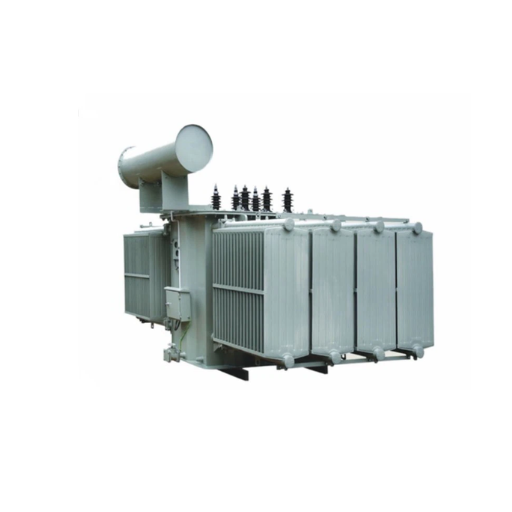
MVA functions as a measurement unit which expresses the apparent power used by electrical systems through Megavolt Amperes. The unit provides an industry standard method of measuring transformer and power system component capacity because it combines voltage and current effects into one value. The MVA calculations establish the maximum load limit which transformers and systems can handle without surpassing their operational limits. This approach enables power systems to function better while preventing system overloads and maintaining system operational effectiveness. Engineers can use MVA values to assess how their systems work now while preparing for upcoming energy distribution enhancements.
Defining MVA in Electrical Engineering
The MVA unit which represents Mega Volt Ampere serves as a measurement tool for apparent power in electrical engineering to assess the operational capabilities of transformers and generators and various components within power systems. The system requires this basic component to calculate its complete electricity usage which comprises both active power measured in MW and reactive power measured in MVAR. The system presents its entire energy distribution through MVA which includes both the energy used for operations and the energy that gets stored and returned to the system.
Key Insights into MVA
Formula & Calculation
MVA = Voltage (kV) × Current (kA) / 1000
The equation shows how voltage and current values work together to establish the total electrical capacity that a device can handle.
The Design of Transformers through MVA Value
Transformers acquire their MVA rating because it displays both active and reactive power requirements which transformers must operate without knowing their actual power factor. The 50 MVA transformer operates at its full capacity by processing real and reactive power until it reaches 50 MVA at its designated operating voltage.
💡 Worked Example — 150 MVA Transformer at 0.9 Power Factor
- Real Power (MW): 150 × 0.9 = 135 MW
- Reactive Power (MVAR): √(150² − 135²) ≈ 65.2 MVAR
Global Standards and Data
The current industry standards for transformer MVA ratings permit transformers to operate between 1-2 MVA for small industrial systems and above 1000 MVA for transformers which feed national power networks to support expanding population needs. The Itaipu Dam hydroelectric power plant in Brazil uses transformers rated up to 700 MVA.
Practical Applications of MVA
⚡ Energy Distribution Networks
The power distribution systems require MVA ratings to operate at their maximum capacity during peak times without experiencing interruptions. Urban grids need to handle seasonal increases in demand which MVA ratings provide as a basis for determining their required capacity.
🌿 Renewable Energy Systems
The implementation of MVA ratings has grown more important because of the shift towards renewable energy sources which include wind and solar power. The systems need transformers which can handle changing power demands and MVA functions as a standard for measuring both stability and efficiency during grid connection.
Engineers can achieve better electrical system performance through their knowledge of MVA because it helps them design systems which deliver dependable power to handle present needs and upcoming expansion.
Importance of MVA Ratings for Transformers
MVA ratings function as essential measurements which determine the power capacity and safe operational boundaries and operational efficiency of transformers used in electrical systems. The system ensures that transformers can sustain their performance while handling the expected load demands without any risk of overheating. The following five elements demonstrate the significance of MVA ratings which transformers require for their operation.
-
- 1
Load Handling Capacity
The transformer MVA rating establishes its maximum capacity to handle apparent power. A transformer with a 10 MVA rating possesses the capacity to transmit 10 megavolt-amperes of power while maintaining its operational efficiency and safety standards.
- 1
-
- 2
Thermal Performance Management
Transformers achieve their best thermal performance through the use of suitable MVA rating systems. The MVA rating of a transformer determines its operational limits, which extreme use beyond those limits will cause excessive heat buildup, resulting in insulation damage and shorter equipment lifespan.
- 2
-
- 3
Compatibility with Grid Requirements
Engineers use MVA ratings to identify transformers which function correctly with specific grid designs and voltage systems. Renewable energy systems require transformers which have higher MVA ratings because they need equipment which can handle fluctuating power demands throughout their operation.
- 3
-
- 4
Support for Future Growth
Transformers which receive proper rating specifications enable power demand increases to occur without the need for their replacement. The installation of a 20 MVA transformer instead of a 15 MVA transformer enables future energy consumption growth to be managed effectively.
- 4
- 5
Improved System Stability
The use of transformers which meet MVA requirements ensures effective voltage control together with decreased risk of system breakdowns and outages during different load situations.
Engineers and planners and utility operators need to understand these aspects because they help create electrical systems which function reliably under changing operating conditions. Energy infrastructure needs modern systems which require transformers to be selected and implemented according to their MVA ratings.
Overview of Electrical Energy Ratings
The electrical energy ratings of systems or devices determine their ability to handle specific electrical loads which they need to demonstrate under designated testing conditions. The ratings ensure system components maintain their optimal operational standards while operating with safe energy use and dependable performance. The basic components of electrical energy ratings establish their value because they demonstrate their actual usefulness in various energy usage contexts.
⚡ Voltage Rating
The voltage rating of an electrical device or system establishes its maximum voltage limit for safe operation. High-voltage transmission lines typically use kilovolt (kV) measurements which include standard voltages of 110 kV and 220 kV and the maximum 765 kV for ultra-high-voltage systems. The ratings establish safety requirements that protect equipment from electrical stress until it reaches its safe operational capacity.
🔌 Current Rating
Current ratings establish the highest electrical current that conductors circuits and equipment can handle without suffering damage or overheating. Standard cables for residential use can handle amperage between a few units and thousands of units which industrial systems require. The correct current ratings maintain energy efficiency while creating safe operating conditions that stop overheating and fire situations from developing.
💡 Power Rating (kW, MW)
Power ratings indicate the maximum capacity of systems which show their highest power output or demand in kilowatts kW or megawatts MW. A typical residential solar panel operates between 300 watts and 400 watts per panel. Power plants use power measurements that reach hundreds of megawatts and nuclear power plants have a standard capacity of 1000 MW when measuring their output.
🔋 Energy Rating (kWh)
Energy ratings exist as kilowatt-hour measurements which show energy usage or production during specific time periods. The kWh rating of batteries shows their total energy storage capacity. The Tesla Powerwall 2 home energy storage battery system has an energy rating of approximately 13.5 kWh.
🏭 MVA Rating
Transformers use megavolt-amperes (MVA) for their capacity rating which determines their maximum electrical load handling ability. The power grid uses modern transformers that range from 1-10 MVA small units to 2000 MVA large units. The selection of transformer ratings helps to maintain proper load capacity which results in reliable power distribution.
📊 Efficiency Rating
The efficiency ratings of electrical devices demonstrate the amount of energy that they waste during their functional period. Modern high-efficiency transformers achieve efficiency ratings above 98% while older models operate at lower efficiency levels which results in greater energy waste. Organizations can reduce operational costs and environmental impact by using energy-efficient devices.
Current Global Energy Trends
- The global electricity demand will increase by 2%–3% each year because of industrialization and urbanization.
- Renewable energy sources are gaining more importance in the energy market through wind and solar power. Wind turbines today have capacities which range from 2 MW to 5 MW per unit according to 2023 standards yet advanced models can reach capacities up to 15 MW.
- The energy storage market will grow because manufacturers plan to install 233 GWh of battery capacity worldwide by 2030.
The comprehension of these ratings enables people to make better decisions about designing and running electrical systems which will remain operational through upcoming energy sector changes.
Technical Aspects of MVA
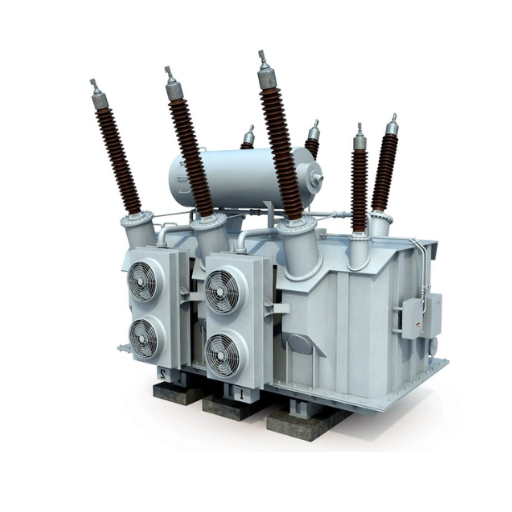
The measurement of apparent power in electrical systems uses MVA which stands for Megavolt-Amperes. The parameter serves as an essential factor for determining the operational efficiency and maximum power output capabilities of transformers and generators as well as other heavy electrical systems. Apparent power exists as a separate measurement from active power which uses MW or Megawatts as its unit of measurement because it includes both real power and reactive power elements of an electrical system. The system requires this distinction because it provides the necessary information for determining efficiency and stability measurements.
Transformer Ratings and MVA
Transformers use MVA ratings to show their electrical load capacity. For instance, a typical power transformer for industrial use may have ratings ranging from 5 MVA to 500 MVA depending on the size and scale of its application. Power grids require high-voltage transformers which can handle more than 1,000 MVA because modern energy distribution systems demand these performance capabilities.
MVA in Power Generation
Power plant generators now exceed 800 MVA capacity because modern machines have achieved this level. The advanced gas turbine generators used in combined cycle power plants operate at capacities between 400 MVA and 600 MVA. Hydroelectric and nuclear generators feature even larger ratings because they serve as baseload power sources.
📈 Global Trends and Data
- The global transformer market will reach a value higher than $88 billion by 2031 according to current data which shows the market will grow at a rate above 6.5% from 2021 until 2031.
- The electrical grid now requires high-MVA systems because renewable energy sources need integration with their wind and solar power generation systems.
- Offshore wind projects use transformers which operate at 700 MVA or higher to transmit power between turbines and the shore.
Understanding the Mathematical Formula
The basic measurement unit for apparent power in electrical systems uses the MVA unit which stands for Megavolt-Amps. The MVA calculation formula results from understanding how voltage (V) and current (I) interact with each other.
Core Formula
MVA = (Voltage × Current) / 1,000,000
The formula calculates apparent power using total system energy input — measuring both real power and reactive power components.
🔌 Example 1 — Transformer at 110 kV and 5,000 A
The transformer functions at a voltage level of 110 kV and a current level of 5,000 A. The formula requires us to input these values which results in the calculation:
MVA = (110,000 × 5,000) / 1,000,000 = 550 MVA
The result shows that the transformer has an apparent power capacity of 550 MVA.
🌿 Example 2 — Offshore Wind Farm (100 Turbines × 5 MW)
The offshore wind farm which generates electricity through its multiple turbines demonstrates the practical use of MVA in modern energy systems. The total power output would reach 500 MW when each of the 100 turbines produces 5 MW of electricity. The system requires MVA estimation based on apparent power calculation which uses 0.9 power factor as its base value.
MVA = MW / Power Factor
MVA = 500 / 0.9 ≈ 555.56 MVA
The engineers use detailed calculations to design transformers and other components which will connect renewable energy sources to the national grid.
MVA vs. kVA vs. VA: Key Differences
| Parameter | MVA (MegaVolt-Ampere) |
kVA (KiloVolt-Ampere) |
VA (Volt-Ampere) |
|---|---|---|---|
| Unit Scale | 1 MVA = 1,000 kVA | 1 kVA = 1,000 VA | Base unit |
| Application | Large power systems | Medium power systems | Small devices |
| Power Factor | Ignored | Ignored | Ignored |
| Usage | Transformers, grids | Generators, motors | Electronics, circuits |
| Measurement | Apparent power | Apparent power | Apparent power |
Real, Reactive, and Apparent Power Explained
Electrical systems contain three power categories which determine their energy consumption and network operation methods. The three power types in the system require human knowledge because power system operations need this understanding to resolve electrical system problems which occur from increasing renewable energy integration.
🔴 Real Power (Active Power)
Real Power which people also call Active Power represents the total electrical energy that devices use to complete tasks which include operating motors and illuminating bulbs and powering home appliances. The energy needs to operate equipment functions as the usable energy for real-time operations. The motor requires 500W of Real Power to operate at its full capacity.
P = V × I × cos(ϕ)
- P = Real Power (watts)
- V = voltage
- I = current
- cos(ϕ) = power factor
🟠 Reactive Power
The system experiences Reactive Power which moves power back to the source and then back to the load without producing any useful output. The system develops this condition through inductance and capacitance which appear in equipment like transformers and motors. The grid needs Reactive Power because it helps maintain voltage stability while supporting the correct functioning of electrical equipment. Reactive Power creates power system inefficiencies because it needs extra transmission line capacity which does not result in any usable energy output.
Q = V × I × sin(ϕ)
- Q = Reactive Power (VARs)
- V = voltage
- I = current
- sin(ϕ) = sine of phase angle
🔵 Apparent Power
The total power in a system is measured as Apparent Power which results from combining Real Power with Reactive Power. The system requires Apparent Power which comes from measuring Real Power and Reactive Power to establish the equipment needs for transformers and generators.
S = √(P² + Q²)
- S = Apparent Power (VA)
- P = Real Power (Watts)
- Q = Reactive Power (VARs)
Key Relationships and Data Insights
- Power systems achieve their highest efficiency when power factor (cos(ϕ)) reaches values that are closest to 1. Modern power systems use power factor correction equipment which includes capacitor banks to decrease Reactive Power while increasing Real Power efficiency.
- Industry data shows that poor power factor and excessive Reactive Power combine to create approximately 30% of energy losses which occur in grid systems. The deployment of smart inverters and active power filters provides a solution to this problem.
- People use Real Power to perform essential tasks because it enables them to light homes and run industrial machines while Reactive Power provides necessary power during peak times to maintain grid stability.
- The fluctuating energy production from renewable sources like wind and solar power creates difficulties for maintaining balance between Real Reactive and Apparent Power. Power distribution systems have advanced through the implementation of artificial intelligence combined with predictive analytics for enhanced control of power distribution.
Engineers and system operators can use their knowledge of these three power types to create electrical grids which will efficiently meet future energy needs.
Practical Applications of MVA Ratings
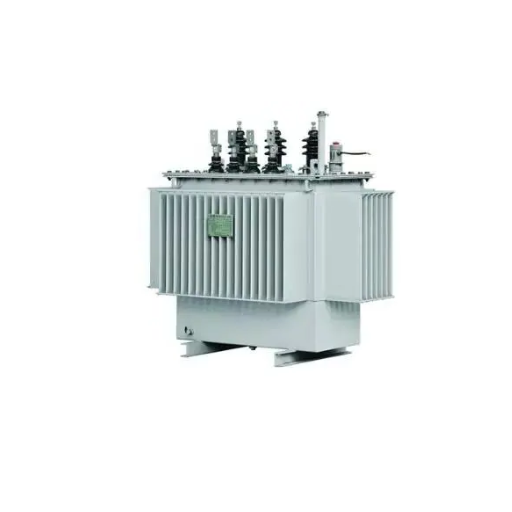
The design process for electrical power systems needs MVA rating as an essential standard which also supports system operation and maintenance work. The ratings function as crucial elements which ensure equipment operates according to its specified performance limits while it handles various load conditions. MVA ratings have five main real-world uses which include the following applications.
| # | Application | Description |
|---|---|---|
| 1 | Transformer Sizing | MVA ratings serve as the standard used to determine the appropriate transformer size needed for power system operation. The correct transformer size selection protects equipment from overload situations while the system provides enough power to operate. A 50 MVA transformer operates safely at loads which do not exceed its rated capacity. |
| 2 | Generator Capacity Planning | Power generation units use MVA ratings to show their maximum power generation capacity. Grid operators use this data to allocate generation resources which will enable continuous electricity delivery. A 200 MVA generator provides enough electricity to support large industrial areas. |
| 3 | Power Transmission Lines | MVA ratings serve as the essential standard which defines how much load transmission lines can safely carry. Power system operators use these ratings to stop equipment from overheating while they maintain optimal power transfer efficiency between different locations. A 100 MVA transmission line can operate at its maximum capacity without losing operational performance. |
| 4 | Short-Circuit Analysis | MVA rating provides the necessary data which enables engineers to calculate fault current levels during system faults while they evaluate equipment performance. The system needs these devices which help circuit breakers and protective devices maintain durability during high fault situations to achieve better operational security and system trustworthiness. |
| 5 | Substation Equipment Configuration | Substation facilities use MVA ratings to set operational standards for their switchgear circuit breakers and busbar systems. MVA alignment establishes proper equipment connection standards which protect against operational disturbances. The 80 MVA substation design provides direct compatibility with its linked transformers and other system components. |
MVA ratio understanding together with application knowledge leads to technical advancement through enhanced system efficiency.
Role in High-Voltage Electrical Engineering
The MVA rating functions as a vital element in high-voltage electrical engineering because it safeguards the successful operation of extensive power networks through its capacity to deliver safe and trustworthy electrical service. The following list contains five essential functions which their descriptions demonstrate their vital importance.
Transformer Sizing
The MVA rating functions as the primary criterion which determines the total transformer capacity required to operate a power system. Transformers with a 150 MVA rating can handle large industrial loads without overheating or sustaining any damage according to the specified limits.
Load Distribution and Planning
Engineers use MVA ratings to create load distribution plans which show them the maximum power each system component can handle. A substation designed for 100 MVA, for instance, ensures safe operation by staying within its limits during peak demand.
Fault Current Management
Engineers use high MVA ratings to determine fault currents because this information enables them to design equipment which allows circuit breakers to stop high-power faults. A breaker rated for 50 MVA can protect the system during short-circuit events without failure.
Voltage Regulation
The grid achieves stable voltage levels through proper MVA alignment which decreases voltage fluctuations that might harm equipment and cause power outages.
System Scalability
MVA ratings enable electrical grid operators to design plans for future system expansions. Systems built with higher MVA capacities can incorporate additional loads and renewable energy sources without requiring extensive system changes.
MVA ratings serve as essential elements which protect high-voltage electrical systems from dangers while preserving their operational effectiveness.
Impact on Power Grids and Distribution Systems
The MVA ratings of power grids and distribution networks directly measure their operational reliability and maximum growth potential. The design and operating process needs total understanding of these impacts because it requires complete information about them to reach its optimal performance level. The following five effects represent vital ways through which MVA ratings impact power grids and distribution networks:
| Impact Area | Description | Example Data |
|---|---|---|
| Load Handling Capacity | The grid achieves higher load capacity through its MVA rating which enables it to handle electrical loads beyond its normal limits without sustaining operational damage. Industrial systems require higher MVA transformers to meet their growing power demands. | A 50 MVA transformer can support power needs in commercial areas while equipment with lower capacity fails to meet those requirements. |
| Fault Current Management | The MVA ratings establish the highest fault current that a system can handle without experiencing operational failure. Systems with components that do not meet established rating standards will face major operational disruptions when faults occur. | A 25 MVA transformer can handle short-circuit currents of up to 20 kA but surpassing that threshold will result in equipment damage. |
| Voltage Stability | The system maintains stable voltage throughout its network when it receives proper system rating which protects sensitive equipment from voltage extremes that could cause damage. | Grids with transformers rated at 500 MVA maintain stable voltage during peak loads, ensuring power quality. |
| Renewable Energy Integration | Existing infrastructure can handle more operational capacity through higher MVA ratings which enable additional solar and wind power generation facilities to join the system. | Grids equipped with transformers rated at 1000 MVA can easily incorporate up to 200 MW of renewable energy supply per installation. |
| Reduction of Transmission Losses | Systems designed with appropriate MVA ratings experience reduced transmission losses, as power flows more efficiently within their capacity limits. | A grid utilizing a 120 MVA transformer reduces losses by over 15% compared to a 50 MVA unit handling the same load. |
MVA Ratings for Generators and Their Significance
The MVA ratings of generators define their highest apparent power capacity which they can sustain without exceeding their thermal and stability thresholds. The ratings enable generators to generate power which maintains system efficiency during different load conditions thereby supporting reliable operation. The following section presents five generator examples with their MVA ratings and their associated information which demonstrates their importance to the field.
| MVA Rating | Application | Significance |
|---|---|---|
| 50 MVA | Small to medium industrial plants. | Supports localized power distribution with high reliability. |
| 100 MVA | Regional substations or commercial power generation. | Balances higher demand loads while maintaining efficiency. |
| 200 MVA | Large-scale industrial operations or regional grids. | Provides robust output suitable for diverse applications, reducing dependency on multiple smaller generators. |
| 500 MVA | National grid integration or major utility operations. | Critical for supplying high-capacity needs, especially in urban centers with substantial demand. |
| 800 MVA | Large-scale power plants such as nuclear or hydroelectric facilities. | Enables maximum capacity generation for large power grids, ensuring grid stability under heavy load. |
The established examples show that MVA ratings control generator usage patterns which affect their operational efficiency and their ability to provide power during future demand surges. The energy network needs properly sized generators which guarantee system stability and operational efficiency.
Conclusion: The Importance of MVA in Electrical System Design
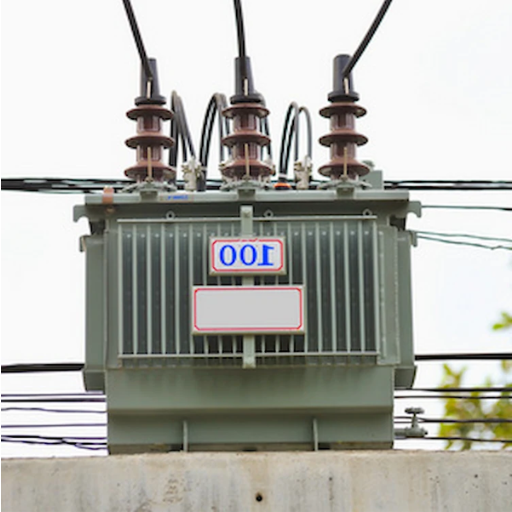
The MVA (Mega Volt-Ampere) rating serves as the basis for designing electrical systems which must demonstrate generator and transformer operational capabilities during both current and anticipated future power loads. The following information establishes MVA ratings as an essential element which displays their importance through particular details and practical examples.
- 📐
Capacity Planning: MVA functions as the essential metric which determines the total generation capacity and transmission capacity of power grids. The generator with a capacity of 500 MVA can supply industrial power needs because it maintains system stability through its MVA rating.
- 🔧
Equipment Compatibility: MVA needs to follow correct scaling procedures because it specifies how transformers and circuit breakers should handle their expected voltage and current levels. System components will fail when their MVA requirements do not match operational needs. The system experiences operational failures which result from equipment overheating and short circuits.
- 🏗️
Grid Reliability: Power plants with high MVA ratings which include hydroelectric and nuclear stations use their capacity to maintain stable voltage levels during peak demand times which helps to improve grid reliability.
- 📈
Future Scalability: The system requires implementation of higher MVA capacity design because future electricity consumption growth needs to be anticipated. The electricity demand of urban and industrial areas needs to be examined because these areas will experience significant production growth.
- ⚙️
Efficiency Optimization: Systems that operate with their correct MVA ratings achieve maximum efficiency because they decrease energy waste and lower their operational expenses. The use of MVA-optimized transformers operates to decrease resistive losses which results in improved electricity transmission.
The system design process requires engineers to establish accurate MVA values which create their first step to select equipment. The electrical system achieves optimal performance through dependable operations which enable it to function.
Summary of MVA’s Role in System Capacity
The use of MVA (Mega Volt Amperes) functions as the primary measurement method which establishes both the electrical system capacity and the system performance proficiency. The system uses this measurement to track its apparent power through its active and reactive power components. The process of MVA calculation requires precise execution which ensures equipment operations remain within design parameters to decrease overload and equipment failure risks.
Energy Transmission Efficiency
Systems designed to handle high MVA ratings support greater loads while maintaining efficiency. High-voltage transmission lines which operate at 500 MVA capacity transmit power more effectively than lower capacity links because they experience decreased energy losses. The International Energy Agency (IEA) study shows that modern transformers which operate at optimized MVA rating can decrease energy losses by 30% which results in better financial returns for energy providers.
Reliability and Performance
Electrical grids with carefully assigned MVA capacities demonstrate improved stability under peak loads. Utility companies use accurate MVA calculations together with real-time measurement technologies to enhance their demand surge prediction capabilities. The 1,000 MVA per substation grid design permits regional growth without needing immediate system upgrades. The historical data demonstrates that infrastructure planners who underestimate MVA needs during development face increased emergency response costs and more frequent outages.
Scalable Infrastructure
The MVA design system needs designers to predict upcoming system requirements which should be used for future infrastructure needs. The World Bank predicts that global energy consumption will increase by 50% between now and 2050. The usage of MVA-rated equipment which can scale to handle growing renewable energy sources enables systems to improve their ability to withstand operational disruptions.
MVA provides strategic benefits to both electrical network development processes and their ongoing maintenance and network expansion activities. The MVA calculation process provides stakeholders with infrastructure assessment results because it measures the system’s current operational capabilities and its potential to meet future requirements.
Future Implications for Electrical Engineering
- 1
Integration of Renewable Energy Sources
Electrical engineers must build electrical systems which enable the use of solar energy and wind energy together with all other renewable energy sources. By 2050 renewable energy sources will account for more than half of global energy requirements which will need power grid systems with better MVA capacity to meet this requirement.
- 2
Development of Smart Grids
Electrical engineering must create new methods which will enable smart grid systems to operate through simultaneous data analysis and system operational capacity enhancement and operational system reliability improvement. Smart grids will employ adaptive load management together with predictive analytics to achieve energy supply and demand equilibrium.
- 3
Electrification of Transportation
The transition to electric vehicles (EVs) will create major effects on power distribution networks. The increasing number of electric vehicles (EVs) will generate a greater need for charging stations together with dependable grid connections. The global electric vehicle market is projected to exceed 1,800 terawatt-hours of energy consumption by the year 2030.
- 4
Microgrid Implementation
Microgrids will gain importance as decentralized energy systems. Microgrids provide local energy solutions which boost grid efficiency while safeguarding systems from major electrical outages. Engineers must develop microgrid systems which enable low-cost expansion to meet various community requirements.
- 5
Advanced Energy Storage Solutions
The development of high-capacity batteries together with advanced energy storage systems will provide solutions for the challenge of fluctuating renewable energy generation. The global energy storage market is expected to reach $19 billion in 2027 which creates a demand for fresh engineering advancements.
Final Thoughts on MVA Ratings in Design
The current design needs require MVA (Megavolt-Ampere) ratings because modern energy systems need to operate during two different power system modes which provide both flexible and efficient operation. The MVA rating of transformers and power systems serves as a fundamental element which safeguards electric power transmission and distribution operations specifically during instances of renewable energy system deployment.
The global transformer market shows projected growth between 2023 and 2030, with a compound annual growth rate (CAGR) of 7.1% because renewable energy investments and grid development projects increase. The transformer design process needs to establish MVA rating requirements, which will enable the system to handle future power requirements without creating excessive energy waste. The successful operation of offshore wind farm projects requires transformer capacity optimization, which delivers both efficiency advantages and cost savings.
Engineers must develop systems, which enable two-way power distribution and handle changing power consumption patterns, because distributed energy resources (DERs) continue to grow in adoption. The process requires MVA calculations to be determined accurately while advanced design methods need to be integrated, which will allow for future load growth. Dynamic thermal modeling provides equipment thermal performance analysis across multiple operational conditions, which results in improved system durability.
Engineers can create systems, which fulfill today’s requirements while enabling future energy grid expansions, by monitoring new market developments and technical challenges. The achievement of these targets depends on people, who need to understand MVA ratings and their usage in practice.
Frequently Asked Questions (FAQ)
References
- Glossary of Technical Terms: This document explains MVA as a unit of measurement for apparent power in AC circuits. PDF Link
- Power Transformers 40/50 MVA (ONAN/ONAF): Discusses MVA in the context of system apparent power and transformer ratings. PDF Link
- Short Circuit ABC — Learn It in an Hour: Covers the use of MVA diagrams in electrical systems and short circuit analysis. PDF Link