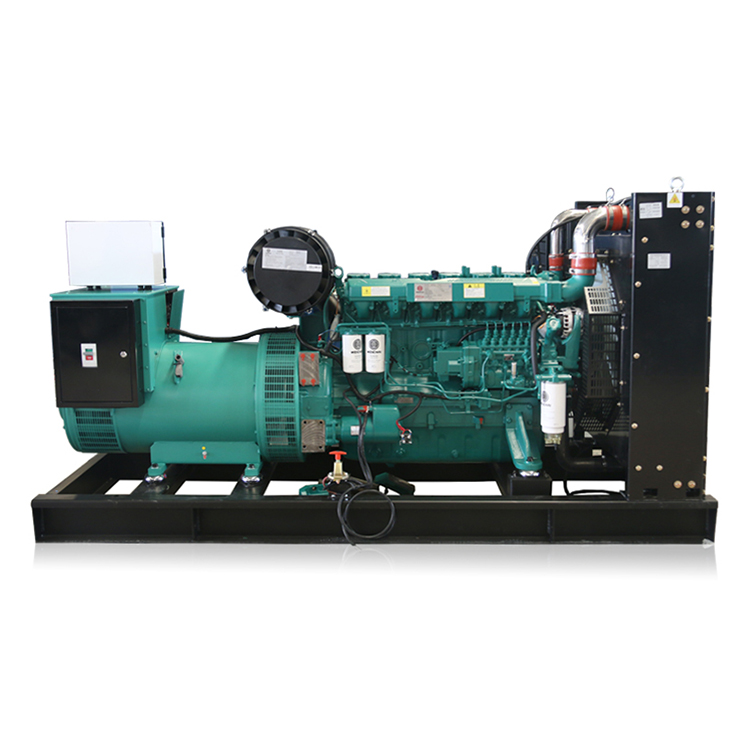
The home and workplace electrical systems of your property require you to select suitable circuit breakers as an essential requirement which must be fulfilled. The function of circuit breakers as protective devices enables them to protect your electrical system by preventing excessive current flows while they stop short circuits and fire hazards. Breakers create confusion because their different sizes and functions require people to understand electrical regulations which most people do not know. The guide introduces standard breaker sizes which assist you in selecting proper breakers which will maintain safety while running at their highest performance levels. The article delivers essential information which enables homeowners and DIY enthusiasts together with professional electricians to choose appropriate circuit breakers based on their specific needs.
The Importance of Choosing the Correct Breaker Size
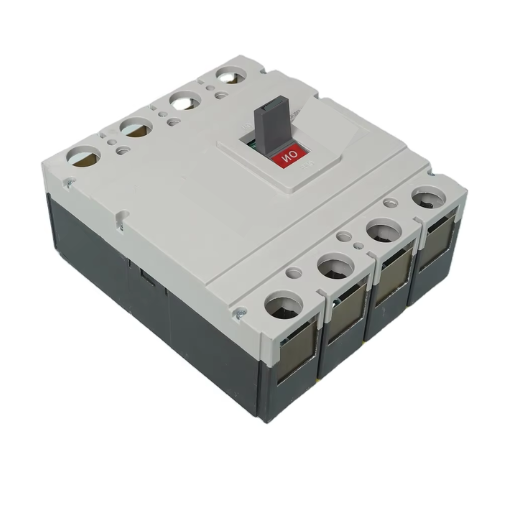
The selection of proper breaker size stands as a critical decision which protects electrical systems from faults while enabling their proper operation. The proper breaker size will protect circuits from overload conditions which result in decreased fire risk and equipment damage. The system guarantees your appliances and devices will receive appropriate power levels for efficient operation. You need to evaluate both the circuit’s amperage demands and the power needs of all connected devices to determine suitable breaker size. The combination of local electrical codes and licensed electrician services will help you achieve work compliance and accurate work results.
Understanding Circuit Breakers and Their Functionality
The primary components of electrical systems depend on circuit breakers which provide protection against short circuit and overcurrent damage to their circuits. The system automatically stops electricity flow when it identifies unusual conditions which include current surges and excessive electrical load. The system offers protection for electrical wiring and it safeguards devices while it reduces fire risks from electrical fires.
⚡
Key Research Finding
Modern residential circuit breakers now operate at two standard power levels which range from 15 amps to 20 amps based on the specific circuit configuration. The National Electrical Code (NEC) requires that continuous loads must remain below 80% of a circuit breaker capacity. The maximum continuous load for a 20-amp breaker must remain below 16 amps to protect against overheating and equipment failure.
Smart circuit breaker technology now enables circuit breakers to operate with advanced capabilities which enhance their performance levels. These devices enable users to monitor their electrical consumption in real time while controlling devices from remote locations and performing system checks through their smartphone applications. These functions establish the devices as essential elements for contemporary smart home architectural frameworks.
Specialized circuit breakers such as ground fault circuit interrupters (GFCIs) and arc fault circuit interrupters (AFCIs) provide safety protection by detecting particular electrical fault conditions. GFCIs protect against ground faults which can result in electric shock while AFCIs detect arc faults which create a major fire danger.
To achieve maximum operational efficiency while meeting electrical safety requirements organizations require regular testing programs which need dynamic circuit breaker maintenance combined with scheduled equipment.
The Role of Standard Sizes in Electrical Safety
The standard component sizes which include circuit breakers and wiring function to maintain safe operation through equipment compatibility and peak operational efficiency. The use of standardized dimensions together with their associated specifications enables installation and maintenance work to be executed without mistakes while meeting all industry standards. The following section displays five fundamental standard sizes which demonstrate their vital importance for maintaining electrical safety.
Circuit Breaker Frame Sizes
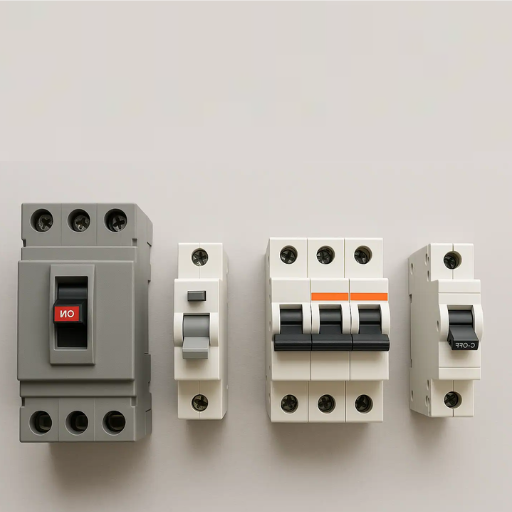
Circuit breakers are designed with standardized frame sizes which include 100A and 225A and 400A as standard options. The breaker size establishes the maximum current capacity which the device can manage while the electrical system load requires users to select the appropriate breaker. Standard frame designs enable users to establish compatibility between their equipment and both panels and enclosures.
Wire Sizes (AWG Standard)
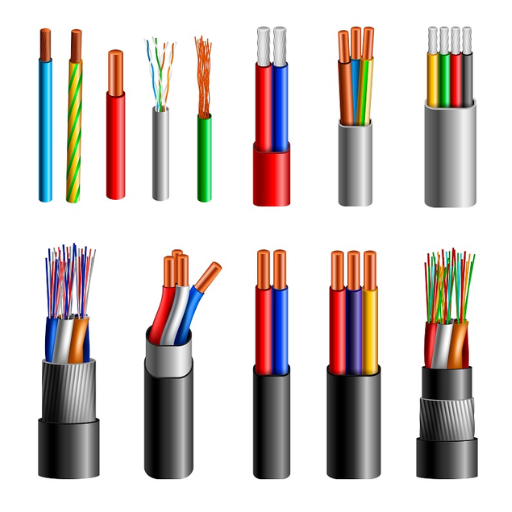
The American Wire Gauge (AWG) standard defines wire sizes through two specific examples which show 14 AWG and 12 AWG and 10 AWG wire dimensions and current-carrying capabilities. The standardized sizes make sure that wires will not experience overload conditions because they exceed their designed limits.
Outlet Box Dimensions
Electrical outlet boxes have established standard dimensions which include single-gang double-gang and triple-gang outlet box sizes. The defined dimensions enable the correct installation of switches and outlets together with their wiring components because loose connections will create electrical faults through arcing.
Conduit Diameters
Standard conduit sizes which include ½ inch and ¾ inch and 1 inch — the standard conduit sizes determine both wire capacity and conductor protection requirements. The standard sizes help maintain safe wire spacing which decreases insulation damage risks during installation.
Electrical Panel Size Standards
The electrical panel size standards establish limitations on breaker types and quantities which the panel can accommodate. The panel is designed to accommodate 12 circuits and 24 circuits and 42 circuits according to its specifications. The standard dimensions create a space-efficient design which simplifies equipment replacement and upgrade processes.
✅ Summary: The use of standardized sizes in electrical systems results in improved safety and uniformity and dependable performance which effectively reduces the risk of electrical accidents.
Consequences of Incorrect Breaker Sizing
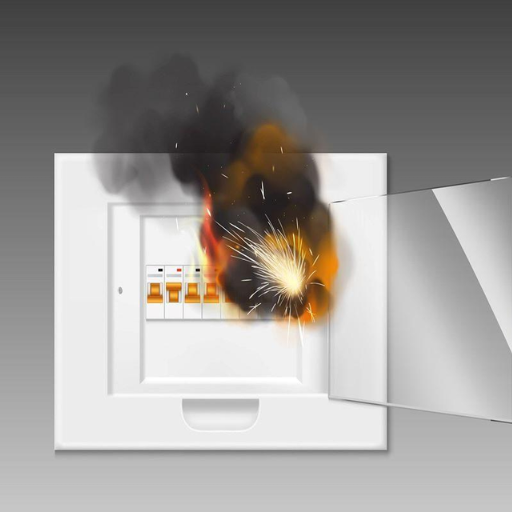
Electrical systems face safety risks and operational problems when breakers are not sized correctly. The electrical system operates at reduced efficiency because one circuit keeps tripping due to another circuit breaker which lacks proper capacity to meet actual circuit needs. The circuit becomes vulnerable to overheating and electrical fires and equipment malfunction when a circuit breaker is installed with excessive capacity.
🔥
Electrical Safety Data
Data from recent electrical safety studies shows that approximately 15 percent of residential electrical fires result from improper breaker sizing and faulty installation work. The incidents occur primarily because of overloaded circuits which result from using breakers that exceed their design capacity. The circuit which uses a 30-amp breaker to protect its 20-amp design will not shut down during an overload event which causes wires to exceed their safe temperature limits.
Facilities which operate at higher voltage levels experience more severe results than those which handle basic voltage operations. The selection of an incorrect breaker type will result in equipment downtime and expensive repairs and potentially complete system failures. The National Fire Protection Association (NFPA) and Electrical Safety Foundation International (ESFI) stress the importance of correctly matching breakers to circuit requirements in adherence to standards such as the National Electrical Code (NEC).
The correct evaluation of circuit load together with adherence to industry standards functions as the base for choosing and installing breakers which protect electrical systems while keeping their operational performance intact.
Common Standard Sizes of Circuit Breakers
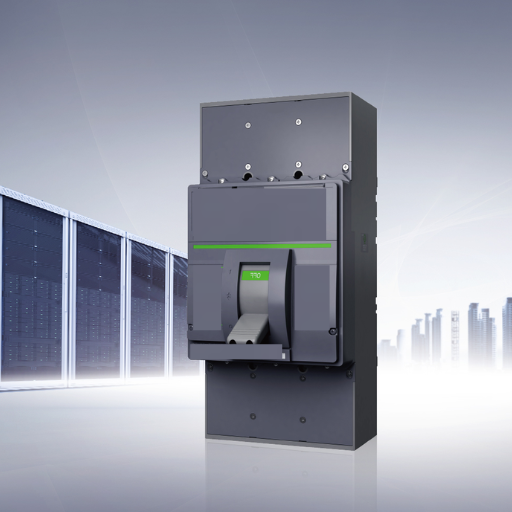
Electrical systems require circuit breakers which exist in multiple standard sizes because different electrical requirements need to be satisfied. The sizes of these breakers depend on their amperage capacity which determines the highest current that the breaker can handle until it shuts off. The following list shows the standard circuit breaker sizes which people use in residential and commercial and industrial settings.
🏠
Residential Circuit Breakers
The standard sizes of residential breakers exist to meet the needs of typical household electrical loads. The common amperage sizes include:
- 15 amps — general lighting and outlet circuits
- 20 amps — kitchen, bathroom, garage receptacles, microwave, and dishwasher
- 30 amps — appliance dryers and air conditioning units
- 50 amps — electric ranges and larger appliances
🏢
Commercial Circuit Breakers
Commercial applications require breakers with greater capacity due to higher electrical demands. The common sizes include:
- 70–100 amps — commercial electrical panels for lighting and general appliances in small to medium-sized businesses
- 125–225 amps — specialized commercial equipment or larger branch circuits
🏭
Industrial Circuit Breakers
Industrial circuit breakers operate in environments that require them to handle high electrical current capacity. The standard sizes include:
- 400 amp
- 600 amp
- 800 amp
- 1200 amp
These operate industrial facilities through their support of large machinery and complete building systems.
⚡ Voltage Ratings
Different circuit breakers exist because their voltage ratings satisfy distinct system demands. Residential breakers support 120/240 volts while commercial and industrial breakers operate at 277/480 volts or higher.
📋 Important Considerations
The standard sizes meet most common applications, yet you must assess your system needs including circuit load and wire dimensions, which help you choose the right breaker capacity. The National Electrical Code (NEC) requires users to consult licensed electricians for safety compliance, which will also improve system dependability.
15-Amp Circuit Breaker: Typical Uses and Applications
A 15-amp circuit breaker represents one of the most commonly used residential circuit breakers which commercial spaces also employ. The device protects electrical circuits which handle medium power operation. Here are five typical uses and applications for a 15-amp circuit breaker:
Lighting Circuits
The system provides electrical power to all types of indoor and outdoor lighting systems which include ceiling lights and wall lights and decorative fixtures.
Receptacle Circuits for General-Purpose Outlets
The system works best with standard outlets located in living rooms and bedrooms and other spaces that need to power small devices like lamps and phone chargers and clocks.
Small Kitchen Appliances
The circuit supplies power to kitchen countertop appliances which include toasters and blenders and coffee makers but users need to monitor their power consumption to prevent circuit overloads.
Residential Office Equipment
The system provides electricity to home office equipment which includes computers and printers and small fax machines.
Garage or Basement Outlets
The system provides power to basement and garage outlets which supply electricity for light equipment including drills and portable fans.
⚠️ Note: The 15-amp breakers protect essential circuits which provide power to all basic electrical equipment. The total load of connected devices should not exceed the breaker’s capacity because this restriction prevents tripping and other safety risks.
20-Amp Circuit Breaker: When to Use
The 20-amp circuit breaker delivers superior electrical load protection because its power capacity exceeds that of a 15-amp circuit breaker which makes it ideal for circuits needing increased electrical power. The breakers operate in areas with high-wattage appliances because they enable multiple devices to function simultaneously without risking circuit overload.
📊 Important Data
Wire Size Requirements
A 20-amp breaker requires at least 12-gauge wire to handle the current safely. The use of 14-gauge wire makes equipment vulnerable to overheating that creates fire hazards.
Power Capacity
A 20-amp circuit breaker allows for a maximum load of 2,400 watts (120V). For safety, the system should operate at a maximum of 80% which equals 1,920 watts.
Compliance Standards
According to the NEC, kitchens, laundry rooms, and bathrooms are required to have circuits capable of handling higher electrical loads, typically demanding 20-amp breakers.
30-Amp and 50-Amp Breakers: Heavy-Duty Applications
The installation of 30-amp and 50-amp circuit breakers becomes necessary for heavy-duty electrical applications because these breakers provide power to high-demand appliances and systems. The breakers operate at higher electrical loads because their design allows them to manage extreme conditions which protects against overheating and dangerous situations. Below are five common applications where 30-amp and 50-amp breakers are required:
❄️
Air Conditioners and HVAC Systems
Air conditioning systems and large HVAC units need either 30-amp or 50-amp breakers because they must handle the large power demands which these systems require to function properly.
🍳
Electric Ranges and Ovens
Most kitchen ranges and ovens used in homes and businesses need 50-amp breakers because they operate at high power levels.
🚌
RV and Trailer Hookups
RV and trailer electrical systems use 30-amp and 50-amp circuits to power essential functions which include refrigerators and lighting and air conditioning systems.
🚿
Electric Water Heaters
High-capacity water heaters draw significant electric current which requires a 30-amp breaker to maintain safe and efficient operation of the system.
🔩
Welding Equipment and Workshops
Industrial-grade welding machines and other workshop equipment need breakers which provide 30-amp to 50-amp power range to meet their energy requirements.
✅ Professional Advice: The implementation of suitable circuit breakers for specific applications guarantees safe and efficient operation of electrical systems. You need to work with a licensed electrician who will create proper configurations while your project complies with local building code regulations.
Matching Wire Gauge to Breaker Size
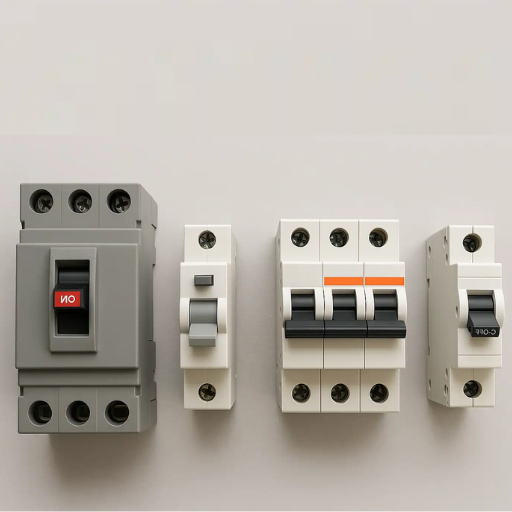
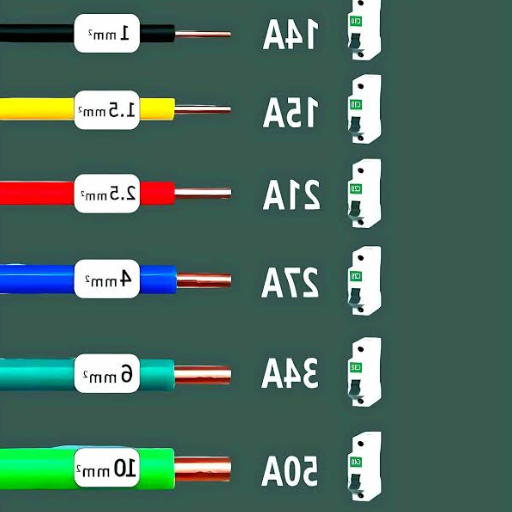
The electrical system needs both the appropriate wire gauge and its matching breaker size to achieve proper safety and operational performance. The electrical system will face hazardous conditions which include overheating and fires when you use the wrong wire size for a specific breaker.
| Breaker Size | Wire Gauge (AWG) | Typical Application |
|---|---|---|
| 15-amp | 14-gauge | Standard lighting circuits and residential outlets |
| 20-amp | 12-gauge | Kitchen appliances, power tools |
| 30-amp | 10-gauge | Electric water heaters, air conditioning systems |
| 40-amp | 8-gauge | Cooking ranges, large HVAC systems |
| 50-amp | 6-gauge | Industrial equipment, EV charging stations |
| 60-amp | 4-gauge | Major appliances, subpanel installations |
Understanding Wire Gauge Ratings
The safe and efficient power transmission standards for electrical systems depend on the established wire gauge ratings for electrical wires. The United States uses the American Wire Gauge system as its official standard for measuring wire diameter. The AWG scale functions through an inverse relationship which causes wire diameter to decrease when gauge numbers increase. The 14 AWG wire has a diameter which measures smaller than the 10 AWG wire diameter.
Common Wire Gauge Sizes and Their Applications
14 AWG
- Maximum current: 15 amps
- Serves lighting circuits and general household outlets which operate on 15-amp breakers
12 AWG
- Maximum current: 20 amps
- Serves kitchen outlets, bathroom outlets, and circuits which require a 20-amp breaker
10 AWG
- Maximum current: 30 amps
- Serves water heaters, window AC units, and appliances which operate on 30-amp breakers
8 AWG
- Maximum current: 40 amps
- Serves electric ranges, large air conditioning units, and heavy-duty appliances
6 AWG
- Maximum current: 55 amps
- Serves sub-panels, hot tubs, and circuits which need high-load operation
Important Considerations
📉 Voltage Drop
Wires lose voltage after they transmit electrical power over long distances which results in decreased operational efficiency together with increased risk of equipment failure. A lower gauge wire which requires thicker wire should be used for circuits that extend beyond 50 feet.
🌡️ Environmental Factors
Wires need to meet specific insulation and temperature tolerance requirements which apply to conditions that involve high temperatures and outdoor operational environments. Designers need to check wire ratings before they begin making circuit design work.
📋 NEC Compliance
A wiring system needs to follow National Electrical Code (NEC) requirements to achieve both legal and safe operational standards. The NEC provides detailed guidelines matching wire gauge to breaker size, wire type, and intended application.
🛠️ Tips for Proper Installation
- The distance of your wiring path which exceeds 100 feet requires you to select a wire size that meets current needs together with additional capacity for voltage drop prevention.
- You must check your device power needs to verify that your wiring and breaker system will work with your equipment.
- The National Electrical Code (NEC) should be used as a reference for proper and legal installation procedures.
- The correct wire gauge method requires you to match your wire gauge with breaker size to protect your electrical system from damage while extending its operational lifespan.
- The best way to handle special situations is to consult a licensed electrician for expert guidance.
Common Mistakes in Wire and Breaker Matching
❌ Undersized Wire
The practice of using wire that does not meet the required size for the breaker rating constitutes a dangerous and widely observed error. The combination of a 14-gauge wire with a 20-amp breaker will cause overheating which creates a fire risk.
❌ Oversized Breakers
The practice of installing breakers which exceed the wire capacity for safe operation. The 30-amp breaker requires 14-gauge or 12-gauge wire to function properly which creates a risk because it allows current to build up without protection.
❌ Mixed Material Connections
The act of connecting aluminum wires to copper wires without using appropriate connectors creates safety hazards for electrical systems. The safety and reliability of mixed material connections require special connectors which provide the necessary protection.
❌ Ignoring Voltage Drop
The failure to consider voltage drop during long distance circuit wiring results in decreased system performance and wire overheating. The system requires larger wire sizes to counterbalance voltage drop effects which interrupt operational efficiency.
❌ Inappropriate Wire Types
The practice of using inappropriate wire types for specific applications creates safety hazards because it results in unsafe wire connections. The practice of using wires in applications which require specific ratings and operating conditions must be followed at all times.
Identifying the Size of Installed Circuit Breakers
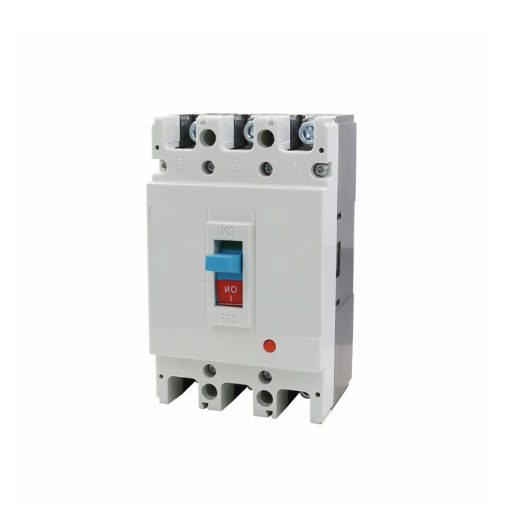
Properly identifying the size of installed circuit breakers is crucial to ensure electrical systems function safely and efficiently. Circuit breaker sizes, measured in amps (amperes), are designed to match the maximum current capacity of the circuit they protect. Using a breaker that is too small can result in frequent tripping, while a breaker that is too large can pose serious hazards, such as overheating and potential fires.
Steps to Identify Circuit Breaker Size
Common Circuit Breaker Sizes and Uses
| Circuit Breaker Size (Amps) | Common Application |
|---|---|
| 15A | General lighting and outlets |
| 20A | Kitchen, dining rooms, small appliances |
| 30A | Electric water heaters, dryers |
| 50A | Electric ranges, large appliances |
| 100A or greater | Panels for sub-feeds or whole-home systems |
How to Read Breaker Labels and Specifications
The understanding of breaker specifications together with their respective labels creates mandatory conditions through which safe electrical system operation must be maintained. The breaker labels contain comprehensive information which enables users to understand the breakers’ operational limits and functions. The following elements represent standard components which appear on breaker labels:
🔢 Current Rating (Amperage)
The breaker establishes its tripping point through this function which shows maximum current limits. Select a breaker with a rating that matches the circuit’s load and wire gauge:
- 15A breakers are commonly used for lighting circuits with 14-gauge wire
- 20A breakers are suitable for outlets or appliances with 12-gauge wire
⚡ Voltage Rating
Most breakers list the maximum voltage they are designed to handle (e.g., 120V, 240V). Verify that the voltage rating of your device matches the voltage requirements of your system:
- Residential circuits typically use 120V for lighting and outlets
- 240V breakers are required for large appliances like dryers or electric ranges
⚙️ Interrupting Capacity
The breaker’s capacity to safely interrupt fault currents gets described through this specification which uses kiloamps (kA) to measure its performance. For general residential use, breakers with a 10kA interrupt rating are common. Industrial environments require systems which need higher capacity to operate in areas with high fault current conditions.
🏷️ Type or Classification
The label identifies three different breaker types:
- Standard Thermal-Magnetic — residential applications
- GFCI — protects against ground faults in kitchens and bathrooms
- AFCI — detects dangerous electrical arc faults for fire prevention
🔍 Manufacturer and Model
You need to choose a breaker which matches the specific requirements of your electrical panel. The breaker includes both a manufacturer identification and a model number together with UL (Underwriters Laboratories) certification marks.
📊 Series Rating
Breakers with a series rating demonstrate their operational capabilities when used together with other system components. The compatibility check needs to occur at this point especially for systems which function to reduce fault current levels.
Visual Inspection Techniques for Breaker Sizes
The procedure for visual inspection starts with breaker testing which identifies all existing identification marks and labels on the device. The technical specifications of circuit breakers become visible through permanent markings on the breaker body which display its amperage and voltage rating. The breaker overhead shows special markings which exist on both its side and front sections. The amperage capacity of the breaker can be determined by searching for specific labels that display “15A” and “20A” as clear capacity indicators.
The physical dimensions of the breaker must be assessed when the label or marking becomes difficult to read because this process will provide new information. The Square D QO series functions as a standard residential breaker because its small size enables installation of single-pole and double-pole electrical circuits. The type and capacity of the item can be confirmed by comparing its size and design with a trusted guide or manufacturer datasheet from reputable online sources.
Inspection procedures require assessment of the wire gauge which connects to the breaker throughout the entire inspection process. The 15A breaker requires 14-gauge wire while the 20A breaker needs 12-gauge wire according to standard wire requirements. The wire installation size violates the breaker rating system which creates an urgent situation that needs to be fixed immediately.
Visual inspection processes receive support through search engines such as Google. The exact breaker model number search enables users to access comprehensive documents which contain both technical diagrams and product details. The search terms “Square D QO breaker dimensions” and “residential breaker amperage chart” will give you access to essential materials that support your accurate identification work. The research process together with NEC guidelines establishes a framework that will help the inspection process meet current compliance requirements while ensuring safe and dependable electrical systems.
Using a Multimeter to Determine Breaker Size
The multimeter is essential for amperage measurements because it enables you to select the appropriate breaker rating for your electrical system. The process requires you to follow these steps:
- Make Safety Your Primary Concern. You need to turn off power to the circuit at the panel before you start working with electrical components. The multimeter should be used to check for voltage in the circuit because it provides safety from potential accidents. People should wear safety gloves and goggles because these items offer better protection.
- Inspect the Circuit Wiring. You need to open the breaker panel to access the circuit wiring which connects to the breaker. The disconnection of the hot wire should be done by removing the black or red wire from the breaker terminal while keeping all other operations intact.
- Configure Your Multimeter. The multimeter needs to be set on the correct amperage measurement mode which should match the circuit’s actual current usage. Common home electrical systems function at 15 to 20 amps while their high power systems can reach beyond 30 amps.
- Measure the Current. The multimeter test leads need to be attached to the wire which you want to measure current through. The circuit needs to operate under its regular load because accurate results demand that you should operate the system normally while running all equipment which draws power from the circuit.
- Compare Data. The measured current value should be obtained by reading the multimeter display which needs comparison with the breaker amperage rating. The breaker needs replacement with a higher-rated breaker if its current limit falls below the measured current. The higher amperage needs to be confirmed through both wiring capacity and NEC guidelines to establish safe electrical operation.
- Consider Voltage Drop. You should measure the voltage drop for long-distance circuits to obtain accurate results and then use online efficiency calculators together with NEC specifications. Voltage drops which exceed 3–5% indicate that wiring needs to be resized because the current wire size is insufficient.
🔍 Helpful Reference Data
- 15–20 Amp Breakers — Common for standard lighting and outlet circuits
- 30 Amp Breakers — Frequently used for dedicated appliances such as air conditioners or dryers
- 50–60 Amp Breakers — Reserved for high-power systems like electric ranges and subpanels
The multimeter readings must match the data because this leads to precise breaker sizing which protects the circuit from overload. Your results need verification with manufacturer charts and NEC guidelines to establish compliance.
Signs of an Incorrectly Sized Circuit Breaker
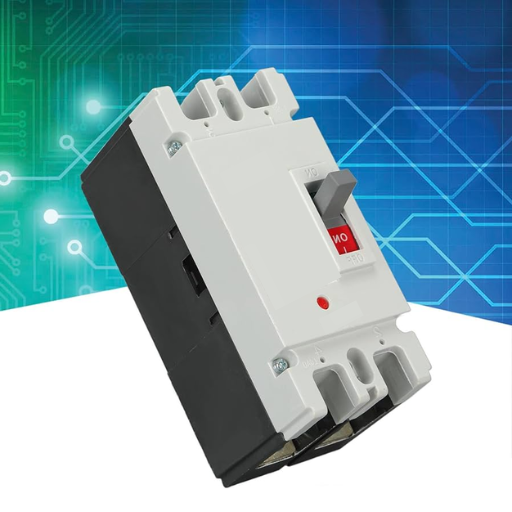
The installation of a circuit breaker with an incorrect size will create multiple problems which endanger the electrical system’s safety and its operational capabilities. The following points contain essential indicators that you need to observe.
📋 Important Data and Guidelines
- NEC regulations require breakers to operate at 80 percent of their maximum capacity when the connected devices operate continuously for more than three hours.
- Industry standards demand that all wire gauge testing must confirm its suitability for the designated breaker size requirements. The 15-amp breaker needs at least 14-gauge wire while the 20-amp breaker requires 12-gauge wire.
- Equipment failure occurs when incorrect wire sizes enter use because this practice causes excessive heat production.
🔍 Professional Recommendation: A licensed electrician should examine your electrical system to check safety compliance while they conduct a complete load analysis when you suspect your breaker is incorrectly sized. Professional assistance helps you avoid accidents while it increases the operational duration of both your breaker and appliances.
Frequent Tripping: Causes and Solutions
The electrical system uses breaker tripping as a safety system which protects against dangers that include circuit overloads and short circuiting. The system experiences frequent tripping because it contains hidden problems which need immediate work.
⚠️ Causes of Frequent Tripping
1. Overloaded Circuits
The electrical system overloads when multiple devices connect to a single circuit because their combined power consumption exceeds the circuit breaker capacity. The 15-amp breaker has a standard rating which prevents it from handling multiple high-power devices that include air conditioners, microwaves, and space heaters at the same time. The breaker trips because overloading causes the system to reach unsafe temperature levels.
📊 Data Insight: Over 45% of residential circuit breaker trips stem from overloaded circuits due to the widespread use of modern high-power appliances.
2. Short Circuits
A short circuit happens when a hot wire touches a neutral wire or any other conductive object which creates a sudden increase in electrical flow. The resulting situation creates danger which causes the breaker to immediately shut down the system. The common sources of this problem include damaged wiring and loose connections and defective appliances.
3. Ground Faults
A hot wire connects with a ground wire or a grounded surface which creates a ground fault that results in excessive current flow. Ground faults create serious dangers because they can happen in areas where water exists which includes kitchens and bathrooms.
4. Faulty Breakers or Equipment
System components such as breakers and appliances experience natural degradation which leads to their eventual failure. The defective breaker trips because it cannot handle the actual electrical load which means that users should buy a replacement unit.
✅ Solutions to Frequent Tripping
Redistribute Electrical Load
The distribution of high-energy equipment needs to be accomplished through multiple circuits which prevents system overload. Users require dedicated circuits for their appliances which they will use throughout the entire day.
Inspect Wiring and Connections
The system needs regular inspections to identify any frayed wires or burnt outlets or loose connections. The building needs urgent electrical repairs because faulty wiring causes short circuits which need professional resolution.
Use Ground Fault Circuit Interrupters (GFCIs)
Ground fault protection needs GFCIs which function as devices to prevent electrical interruptions through ground faults. All areas of your home which contain moisture must have GFCI protection installed.
Upgrade Your Electrical System
Home electrical panel systems need to be upgraded from their current outdated state because modern systems provide better electrical power management capacity which decreases tripping incidents.
📊 Fact Check: Homes constructed before 1990 were not built to handle current household electrical demands which results in breaker trips occurring 30 percent more frequently.
You can achieve a safer electrical system for your home through proper identification of causes and execution of corresponding solutions. All electrical work needs to be handled by licensed electricians who conduct system evaluations and repairs according to safety regulations.
Frequently Asked Questions (FAQ)
📚 References
- Practical Knowledge in Electrical Engineering
This source discusses the sizing process, including standard conduit sizes and breaker safety considerations. Read more here
- Lab-Scale Circuit Breaker Module for Power System Laboratories
This paper explores the use of standard AC outlets and circuit breaker modules in educational settings. Read more here
- Circuit Breaker Module
Focuses on the design and safety considerations of circuit breakers, including size constraints and standardization. Read more here