The primary factors which determine the performance of electrical systems are their ability to keep people safe and their efficiency during operations. The proper wire size selection for your circuit breaker system serves as a fundamental requirement for maintaining both safety and operational efficiency. The correct wire size specifications become necessary for your 50 amp breaker installation because they help you avoid overheating and energy loss and dangerous electrical malfunctions. The blog post will explain the process of determining the appropriate wire gauge and the function of ampacity and the need to follow electrical codes. The content provides essential information for both experienced DIY homeowners and professional electricians to make informed choices and complete their projects with safe energy use and efficient power management.
Importance of Proper Wiring
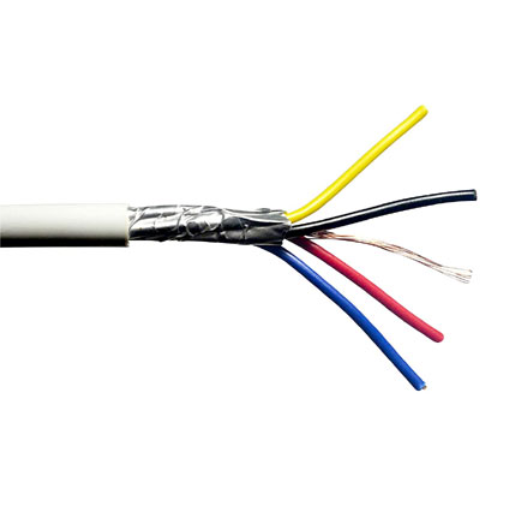
The safety and operational efficiency of an electrical system require proper wiring as its most critical component. The system prevents electrical fires and short circuits and equipment damage through its combination of safe connections and appropriate wire sizing. The use of proper materials along with standards compliance in wiring processes leads to dependable power distribution which results in reduced energy waste throughout electrical systems. The established electrical codes create protection for both property and human life through their function of decreasing dangers which occur due to electrical system failures.
Defining Wire Size and Its Importance
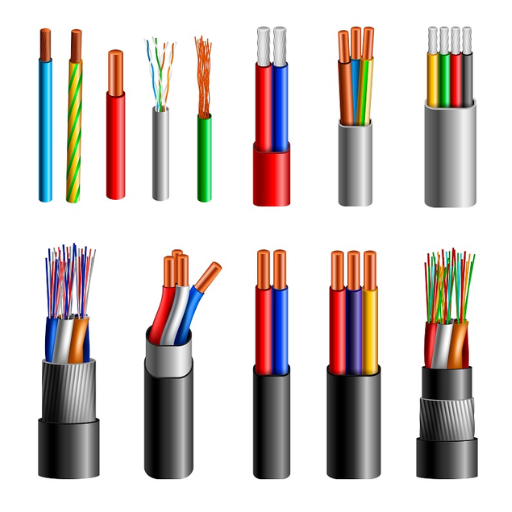
Electrical engineers use American Wire Gauge (AWG) standards to measure wire size which represents the diameter and cross-sectional area of electrical conductors. The correct wire size selection represents a key component of electrical system design because it determines the safety and efficiency and operational capacity of the system. The importance of proper wire sizing includes the following:
🔥 Avoiding Overheating
The use of undersized wires which carry electrical currents above their capacity will create excessive heat that damages insulation materials while increasing fire danger.
⚡ Reducing Voltage Drop
The proper wire sizing procedure prevents voltage drop from occurring during long-distance transmission between power sources and equipment to maintain proper voltage levels which enable efficient equipment operation.
📈 System Efficiency
System efficiency grows when wires achieve their ideal dimensions because it decreases energy loss through unnecessary power waste. Under-sized or over-sized wires create energy losses in a system. System efficiency increases when wires achieve correct sizing because it reduces unnecessary power dissipation.
🛡️ Equipment Protection
The system needs correctly sized wires to create current flow which will shield delicate equipment from voltage surges and drops that could lead to operational failure or equipment destruction.
📋 Code Compliance
Local and international electrical codes require systems to follow specific wire size requirements for designated uses. The compliance with these standards protects installations from legal liability while ensuring safe operation.
Electrical systems require both wire size selection and wire usage knowledge to achieve safety standards and operational effectiveness and code compliance.
Safety Considerations in Electrical Wiring
All buildings require electrical wiring for their essential operations because the installation process needs to undergo various safety assessments. Dangerous wiring results in a hazardous situation because it causes electrical fires and equipment destruction which leads to severe injuries. The upcoming information presents essential safety details together with operational data which you need to know about electrical system maintenance work.
-
⚠️ Overloading Circuits
When someone overloads an electrical circuit the circuit starts to produce too much heat which creates an imminent fire hazard. The National Fire Protection Association (NFPA) reports that electrical failures or malfunctions rank as the second main cause of residential fires which occur in the United States from 2015 to 2019.
-
📏 Correct Wire Sizing
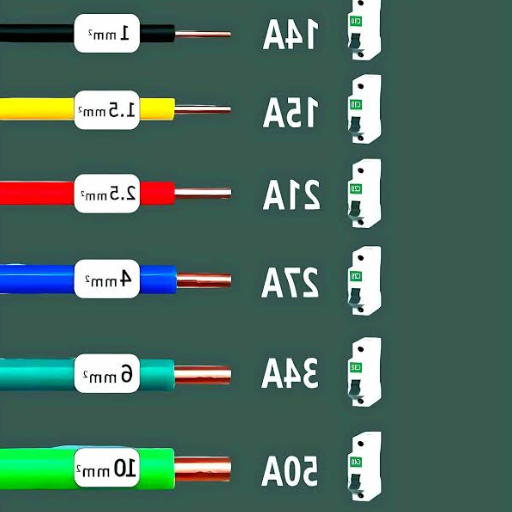
The selection of appropriate wire dimensions functions as a crucial element which prevents wires from overheating. A circuit needs a 14-gauge wire to handle its 15-amp maximum load while a 12-gauge wire can handle 20-amp circuits. The common practice of using undersized wires for current requirements leads to street wiring problems which result in overheating.
-
🔌 Grounding Systems
Proper grounding protects against electrical shocks and stabilizes voltage levels. The U.S. Occupational Safety and Health Administration (OSHA) requires that all electrical outlets need proper grounding to eliminate electric shock hazards which exist in commercial and industrial workplaces.
-
⚡ Arc Fault Protection
Arc faults develop because of unintentional electrical circuit arcing which creates a risk of fire. The introduction of Arc Fault Circuit Interrupters (AFCIs) has drastically reduced this risk. The U.S. Consumer Product Safety Commission (CPSC) estimates that more than half of all electrical fires can be prevented through the use of AFCIs.
-
💧 Wet and Damp Locations
Electrical components used in wet or damp locations need special design and rating certification for their operational requirements. Ground Fault Circuit Interrupters (GFCIs) function as mandatory safety devices which protect against electrical shock that occurs when water enters bathrooms kitchens and outdoor spaces.
-
🔍 Regular Inspections and Maintenance
The electrical systems require their components to undergo scheduled inspections and maintenance work because both activities play an essential role in system operation. The safety of residential wiring requires a safety inspection which should take place between 5 to 10 year intervals. The inspections discovered hidden dangers which included frayed wiring and obsolete electrical elements such as knob-and-tube wiring.
-
📜 National Electrical Code (NEC)
All electrical installations must follow the National Electrical Code (NEC) and the local standards which apply to them. The codes undergo regular updates which incorporate new safety measures and technological progress. The 2023 NEC introduces new rules which require sustainable energy systems to meet certain standards for solar panels and energy storage systems.
The combination of safety measures and your understanding of current electrical standards will enable you to reduce electrical wiring hazards. Only licensed electricians can conduct complex projects because they maintain complete system compliance while ensuring protection against potential dangers.
Compliance with Electrical Codes
The fundamental requirement of electrical codes mandates compliance which serves to protect public safety and meet legal requirements while enhancing system efficiency. Electrical codes which include the National Electrical Code (NEC) receive periodic updates to accommodate technological advancements and provide security improvements and environmental protection requirements. The 2023 NEC requires updated solar photovoltaic system regulations and energy storage system regulations because it promotes sustainable energy solution implementation. The initiatives represent a more extensive effort to incorporate renewable energy resources while promoting energy conservation measures.
Electrical code violations create multiple dangerous situations which include electrical fires and equipment destruction and legal responsibilities. The U.S. Fire Administration reports that electrical malfunctions cause house fires which account for about 6.8% of all residential fires during recent years. Proper adherence to wiring, grounding, and material standards can drastically reduce these risks.
Code compliance requires residential and commercial installations to provide usable electrical systems which support both electric vehicle (EV) charging stations and smart home technology. The specialized work of licensed electricians becomes essential for electrical tasks because they possess the necessary expertise to interpret and apply specific code requirements for various construction projects. The local authorities often require professional assistance for proper permit and inspection management in accordance with their regulations.
Homeowners and businesses can create secure efficient spaces for upcoming times by learning about current electrical code changes and implementing established best practices.
The Core Answer: Wire Size for a 50 Amp Breaker
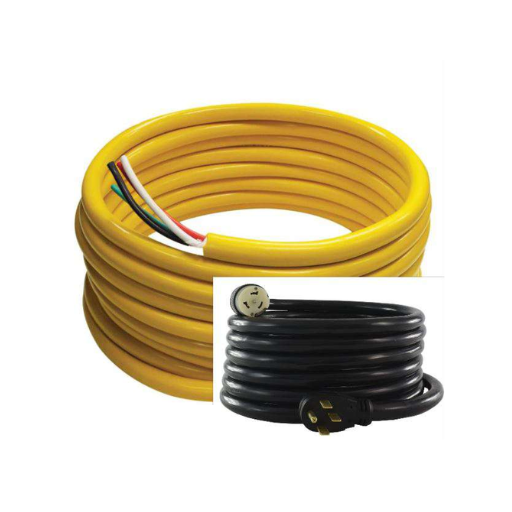
The installation of a 50-amp breaker requires 6-gauge wire according to the proper wire size for this installation. The National Electrical Code (NEC) provides wire size requirements which establish safe handling standards for different amperage levels. A 6-gauge wire which contains copper material can safely conduct 55 amps of current because it maintains operational safety for the 50-amp breaker without creating overheating or electrical danger risks.
Copper wire requires 4-gauge wire because aluminum wire conducts electricity at a lower rate than copper. Aluminum wire needs a higher wire gauge because it must safely transmit the same electricity load. Anti-oxidation paste coatings should be applied to all aluminum wiring connections during installation to minimize corrosion risks.
The assessment process requires two additional factors which include environmental elements and wire run distance. The wire run duration exceeds 100 feet which makes voltage drop an issue that requires upsizing to a larger wire gauge for operational efficiency and protection against overheating.
You need to verify equipment specifications for your 50-amp circuit wiring which will connect to electric vehicle chargers hot tubs and large appliances. Certain appliances need larger wire sizes because they require specific types of wiring insulation to meet their operational safety requirements.
To maintain compliance with regulations you need to check both the latest NEC updates and local building codes. You must contact a licensed electrician for your safety needs when you face uncertainty about your electrical situation.
Recommended Wire Gauge for 50 Amp Breaker
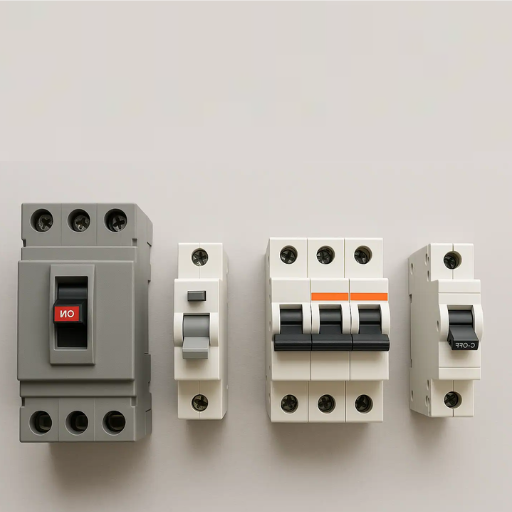
The choice of wire gauge for work with a 50 amp breaker affects both safety procedures and work efficiency. The National Electrical Code (NEC) requires a 50 amp circuit to use at least 6-gauge copper wire or 4-gauge aluminum wire. The selected wire sizes will stop electrical overloads because they can handle normal operation currents without reaching unsafe temperature levels.
Key Specifications
🟡 Copper Wire
- Minimum gauge required: 6 AWG
- Maximum ampacity at 75°C insulation rating: 55 amps which allows safe operation of 50-amp load with extra capacity
🔵 Aluminum Wire
- Minimum gauge required: 4 AWG
- Maximum ampacity at 75°C insulation rating: 50 amps. Aluminum wire needs thicker material than copper wire because it conducts electricity at lower efficiency.
Additional Considerations
- Wire Insulation: The insulation type requires rating for both operating temperature and application needs (e.g. THHN and THWN-2). The majority of contemporary insulation materials can withstand temperatures reaching 90°C but circuit temperatures must meet NEC regulations together with temperature modification requirements.
- Distance: The wire runs must remain below 100 feet because voltage drop starts to affect performance. The system should adopt larger wire sizes because every 100 feet of distance requires voltage drop control to sustain operational efficiency.
Application Examples
- 🚗 Electric Vehicle Chargers: The 50 amp capacity of numerous EV chargers requires the use of 6-gauge copper wire. The manufacturer’s guidelines should always be consulted.
- 🛁 Hot Tubs: Hot tubs require installation of 50-amp breakers together with specific wire setups which include 6-gauge copper wire that uses either THHN or THWN-2 insulation for outdoor or wet environments.
⚠️ Important Safety Tips
- You need to verify specifications against the latest NEC edition because local codes include extra rules.
- The selection of incorrect wiring leads to two grave risks which include dangerous heat build-up and possible equipment destruction.
- The consultation of a licensed electrician becomes essential when wire size remains uncertain because this will guarantee safety during installation and adherence to regulations.
Copper vs. Aluminum Wire: Pros and Cons
The selection process for copper and aluminum wires requires knowledge about their specific attributes and their respective strengths and weaknesses. The following presents a thorough examination of essential attributes that compare both materials.
| Attribute | 🟡 Copper Wire | 🔵 Aluminum Wire |
|---|---|---|
| Conductivity | Higher electrical conductivity; carries more current with lower resistance, reducing energy losses. | Lower conductivity than copper; requires larger gauge for equivalent current. |
| Durability | Withstands mechanical stress; installation does not cause permanent damage. | Lower mechanical strength; higher risk of breaking; requires careful handling. |
| Corrosion Resistance | Strong protection against rust and oxidation; suitable for high-moisture environments. | Requires special coatings and connectors to protect against corrosion in wet environments. |
| Gauge Requirements | Smaller gauge needed; efficient space utilization in confined areas. | Larger gauge size required to transmit identical power; less space efficient. |
| Weight | Heavier; may be less practical for very long transmission runs. | Lightweight; more affordable and efficient for long-distance power transmission. |
| Cost | Higher cost; difficult to budget for large industrial projects. | Lower cost; creates significant financial savings for extensive projects. |
Material selection depends on understanding their advantages and disadvantages for your particular electrical requirements and environmental circumstances.
Understanding Ampacity and Its Impact
Ampacity is the highest electrical current capacity which a conductor can transport without exceeding its thermal limit. This parameter determines the maximum current which electrical systems can safely maintain while functioning at optimum performance. The selection of materials and design of systems depend upon understanding the various factors that determine ampacity. The following five essential elements directly affect ampacity:
- Conductor Material: Copper and aluminum and other materials display different abilities to conduct electricity and transfer heat. Copper conducts electricity more efficiently, offering higher ampacity compared to aluminum for the same size.
- Temperature Rating: The specific temperature rating of each conductor establishes its current handling capacity before reaching dangerous temperature levels. The capacity to conduct electricity increases with the implementation of higher temperature ratings.
- Conductor Size: Conductor Size largely determines electrical current capacity because larger conductors possess less resistance which enhances their ability to distribute heat energy. Choosing the right conductor size is essential for matching the needed current flow through the system.
- Insulation Type: The type of insulation around the conductor affects its thermal performance. Certain insulations can withstand higher temperatures, thereby supporting higher ampacity in the system.
- Ambient Temperature: The surrounding environmental temperature affects how much current a conductor can carry. Higher ambient temperatures can reduce ampacity, while cooler environments enable better heat dissipation.
The combination of these factors ensures electrical systems operate correctly while preventing overheating and equipment failure.
Factors Influencing Wire Size
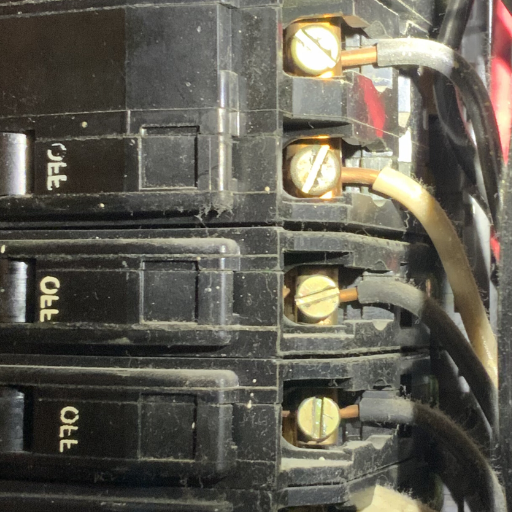
The process of selecting the correct wire size for an electrical system needs to evaluate multiple essential components. The established factors determine how safe the system operates while achieving its efficiency targets and meeting industry standard requirements. Below are five key factors that influence wire size:
- Current Carrying Capacity (Ampacity): The wire must be capable of safely carrying the electrical current without overheating. Ampacity depends on the conductor material, insulation type, and installation conditions.
- Voltage Drop: Electrical resistance in wire creates voltage drops which become more pronounced over extended distances. The system needs to minimize voltage drop to maintain the correct operational voltage for devices. The acceptable voltage drop is typically less than 3% of the source voltage.
- Ambient Temperature: The temperature of the surrounding environment can affect the wire. Higher ambient temperatures reduce the current-carrying capacity of the wire, requiring a larger size for safe operation.
- Wire Length: The presence of longer wire runs causes increased resistance which directly affects both voltage drop and heat dissipation. The length of the system needs to be assessed through proper size selection to achieve dependable performance.
- Application Requirements: The different electrical applications, which include residential, commercial, and industrial uses, require specific wire sizes because of their regulatory standards and load requirements and environmental conditions.
The engineers and electricians use their assessment of these factors to choose appropriate wire sizes which guarantee both safety and effective operation in electrical setups.
Voltage Drop and Its Effects
Voltage drop refers to the reduction in electrical voltage which happens when current flows through wires which face resistance and impedance from their materials. The electrical installations require this phenomenon as fundamental because excessive voltage drop causes operational liabilities and equipment failures and creates hazardous situations.
Causes of Voltage Drop
- Conductor Material and Size: The resistance of a conductor increases with smaller wire sizes or certain materials. The resistance of aluminum metal surpasses that of copper which causes higher voltage drops through aluminum wiring.
- Circuit Length: The complete system experiences increased voltage drop because circuits which extend longer distances face higher resistance levels.
- Current Load: The circuit resistance creates voltage drop because it opposes the increased current flow which happens during larger load operations.
- Connections and Joints: Electrical systems become more resistant to flow because of their loose connections and inadequate maintenance which create additional resistance.
Acceptable Voltage Drop Standards
The National Electrical Code (NEC) establishes voltage drop limits that permit a maximum of 3% voltage drop for branch circuits and 5% voltage drop for feeder and branch circuit combinations. The maximum voltage drop for a residential system that uses 120V operating at 3% results in a total voltage drop limit of 3.6V.
Real-World Example
The voltage drop for a 100-feet circuit which operates at 240 volts and carries 20 amps through 12 AWG copper wire can be determined. The formula calculates voltage drop using this equation:
Voltage Drop (VD) = (2 × Length × Current × Resistance per unit length) / 1000
The resistance of 12 AWG copper wire reaches approximately 1.98 ohms per kilometer, giving us:
VD = (2 × 100 × 20 × 1.98) / 1000 = 7.92V
The study proves that correct wire selection together with length regulation practices, results in decreased energy waste, which helps preserve operational efficiency.
Effects of Excessive Voltage Drop
- The circuit’s increased resistance creates additional power loss, which leads to reduced efficiency throughout the entire system.
- The voltage reduction in power supply leads to incorrect operation of sensitive equipment which results in operational faults and equipment destruction.
- Wires experiencing high voltage drop conditions develop overheating problems which create fire hazards that endanger safety.
- The performance degradation of devices causes lighting fixtures to emit less light and motors to operate at reduced speeds.
Through the use of correct wire dimensions and circuit length reductions and high-quality conductor materials, organizations can achieve voltage drop reduction, which protects both operational safety and system performance by delivering optimal electrical results for all their equipment needs.
Wiring in Conduit vs. Open Air
The assessment of wiring systems needs to consider multiple vital elements which include their ability to release heat through their design and their safety features and their financial requirements and their operational characteristics. The two methods provide their own specific benefits and restrictions which allow for their use in various situations.
| Factor | 🔵 Conduit Wiring | 🟢 Open Air Wiring |
|---|---|---|
| Heat Dissipation | Heat is trapped; NEC requires ampacity derating adjustments. | Better heat dissipation through direct air contact; reduces overheating risk. |
| Safety | Better protection from moisture, dust, corrosion, and mechanical damage. | Needs additional safety measures in high-traffic or hazardous environments. |
| Installation & Cost | Higher upfront cost; safer and more durable long-term solution. | Lower cost and simpler installation; fewer materials required. |
| Performance / EMI | Bundled cables can create electromagnetic interference (EMI) on sensitive devices. | Spacing out conductors helps reduce EMI issues. |
| Data Insights | IEEE data: conduit wires run 20–30% hotter under same load; derating required. | Safety restrictions apply in industrial/public areas for physical hazard protection. |
The evaluation of these factors enables electricians and engineers to select the optimal method which meets their project needs and environmental conditions.
The 80% Rule for Continuous Loads
The 80% Rule establishes base requirements which electrical engineers must use to create secure systems that operate under permanent electrical load calculations. The National Electrical Code (NEC) defines continuous load as any load which functions at its full power capacity for three hours or longer. The 80% Rule requires that circuit breakers and fuses which protect circuits need to have a rating which exceeds the continuous load current by 125 percent. The design shields against unneeded breaker interruptions which happen when equipment runs near its maximum operational capacity for long periods of time.
The process of derating permits better control over heat production which establishes more than one safety threshold which decreases the possibility of wire overheating and circuit overload.
The rule applies especially to commercial buildings and data centers and industrial facilities because their lighting systems and HVAC systems and other equipment operate continuously throughout the day. For example, LED lighting and commercial refrigeration systems function as continuous loads according to their operational definition.
The 80% Rule remains necessary for system dependability and regulatory requirements despite advances in circuit breaker technology and manufacturer efficiency data and heat dissipation performance. The NEC and local electrical codes must be checked before installation because they determine correct equipment sizing and safety requirements.
Common Applications of a 50 Amp Circuit Breaker
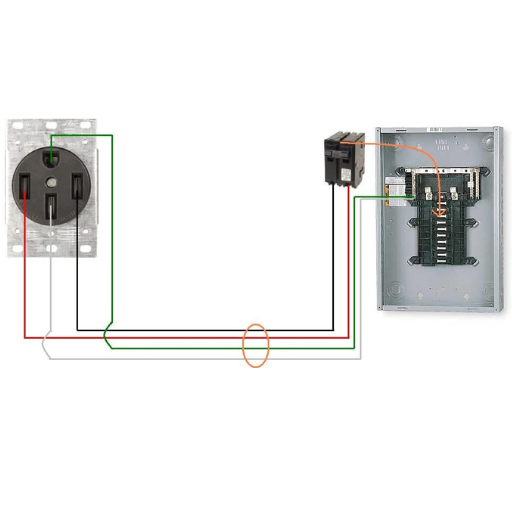
The 50 amp circuit breaker serves as an adaptable solution which people use in multiple residential and commercial and industrial settings. The following list contains five typical applications which show their importance through detailed explanations.
- 1
🍳 Electric Ranges and Ovens
Electric ranges and ovens require a 50-amp circuit breaker because their cooking operation demands this capacity to handle their maximum energy usage. These appliances need circuit protection because their power consumption reaches 12,000 watts which requires them to use proper circuit protection methods for safe operation.
- 2
🛁 Hot Tubs and Spas
Hot tubs require a 50-amp circuit breaker because their heating system and water circulation system need separate power sources to operate correctly. The correct circuit dimensions maintain equipment operation at its best while avoiding situations which could lead to equipment failures or electrical dangers.
- 3
🚌 RVs and Mobile Homes
RVs and mobile homes use 50-amp hookups to supply power to their onboard appliances and amenities. The breaker provides power to multiple devices which include air conditioning units and refrigerators and entertainment systems in an efficient manner.
- 4
❄️ Large Air Conditioning Units
Buildings with central air conditioning systems in their more extensive areas use 50-amp breakers because these systems require high energy consumption for cooling purposes. The system maintains secure operation throughout its complete performance range.
- 5
🔧 Welding Machines
Industrial facilities and home workshops require welding machines to operate with 50-amp circuit breakers. The devices need high current for brief durations which makes it essential to have surge protection systems that can handle this power usage.
The selection of circuit breaker types plays a vital role in safeguarding operations while maintaining equipment excellence and meeting legal standards across all different areas.
Electric Vehicle Chargers
The essential electric vehicle (EV) chargers serve as vital components which help drivers transition to electric vehicles with greater ease. Through their use of EV chargers drivers obtain power which enables them to charge their vehicles at home and work and public charging stations. The three standard charging levels of EV chargers include three charging categories which each provide different levels of charging power.
Level 1 Chargers
Standard 120-volt outlets; charges at 2–5 miles of range per hour. Slowest option; no special equipment needed.
Level 2 Chargers
240-volt circuit; charges at 10–60 miles of range per hour. Common in homes and public locations.
DC Fast Chargers (Level 3)
Direct current; adds 60–100 miles in 20–30 minutes. Requires significant infrastructure and higher costs.
Latest Data and Trends
The global electric vehicle charging infrastructure market reached an estimated value of $4 billion during 2022 with research forecasting a market growth rate of 27% which will continue until 2030. The market expansion occurs because more consumers choose environmentally friendly transportation while governments provide more electric vehicle tax incentives and charging station technology advances.
As of 2023 the world has established more than 3 million public charging stations which Europe and China lead as the two top regions for charging station installation. The United States plans to grow its public charging station network through initiatives such as the Bipartisan Infrastructure Law which aims to establish 500,000 public charging stations by 2030.
Circuit Breaker Considerations for EV Chargers
| Charger Type | Required Breaker |
|---|---|
| Level 1 Chargers | Standard 15- or 20-amp circuit breaker |
| Level 2 Chargers | Dedicated 40- or 50-amp breaker (varies by charger model) |
| DC Fast Chargers (Level 3) | Industrial-grade systems; 100+ amps |
The correct circuit breaker choice provides maximum system efficiency while protecting against electrical faults and overheating dangers, which fulfills the safety requirements needed to support the expanding electric vehicle market.
Electric Ranges and Ovens
Modern culinary spaces need electric range and oven systems because these essential kitchen appliances enable chefs to cook efficiently. The appliances need direct electrical connections which provide their required power for safe and complete operational performance. The majority of electric ranges and ovens used in homes operate on standard 240-volt circuits which serve as the main power supply for most high-energy residential appliances. The power requirements typically range from 30 to 50 amps depending on the model and features of the appliance.
Modern kitchens use electric ranges that draw between 2000 watts to 5000 watts according to recent research while ovens operate at a power consumption rate of 2400 watts during their baking and roasting activities. The device uses 10 to 20 amps of electricity when connected to a 240-volt circuit. The dual oven design requires advanced circuits which can support higher amperage loads while additional features need to use increased power capacity.
Electric range and oven installation requires dedicated circuits which need to have correct wiring and circuit breakers which meet the manufacturer’s safety requirements. The electrical system needs to follow the National Electrical Code (NEC) and the applicable local building regulations.
Electric range consumers who care about their energy usage should choose models with Energy Star certification because these products decrease electricity needs while delivering excellent performance. The latest electric range models offer improved performance through their smart control systems and precision cooking sensors and quick preheating technologies which surpass the capabilities of previous appliances.
RV Hookups and Other Uses
The following presents five essential facts about how RV hookups function.
- 🔋
Electric Hookups
RV parks and campgrounds provide electric hookups with 30-amp and 50-amp options to supply power for your RV needs. This configuration allows you to run electrical devices which include air conditioners microwaves and refrigerators.
- 💧
Water Hookups
A water hookup connects your RV to a city water source which supplies fresh water for drinking and cooking and cleaning needs. Many campgrounds provide this to ensure continuous access to clean water.
- 🚿
Sewer Hookups
The system enables RV users to eliminate waste through direct links to either a septic system or a sewer line. This system allows users to dispose of their waste without needing to visit dump stations for tank emptying.
- 📺
Cable TV Hookups
Some RV parks include cable TV hookups which let you watch shows while you camp. The connections let users watch multiple TV channels which improves their viewing experience during their free time.
- 📶
Internet or Wi-Fi Access
Many campgrounds today provide their visitors with internet and Wi-Fi access as part of their service offerings. This feature allows RV travelers to maintain internet access for both professional work and personal entertainment while traveling.
Travelers who want outdoor convenience and comfort with functional RV hookups essential for their outdoor activities.
Technical Specifications Table
Below is a detailed technical specifications table that outlines the key features and parameters of modern RV hookups based on the latest research:
| Feature | Description | Specifications/Details |
|---|---|---|
| Electrical Connection | Provides power supply for RVs. | Common types include 30-amp and 50-amp systems. |
| Water Connection | Supplies clean, potable water to the RV. | Standard fittings are typically ½-inch hose connections. |
| Sewer Hookup | Allows for RV waste disposal through the sewer system. | Standard drain fitting size is 3 inches in diameter. |
| Cable TV Hookup | Provides access to local or extended cable channels. | Typically uses coaxial cable connections. |
| Internet/Wi-Fi Access | Offers on-site internet connectivity for RV travelers. | Speed ranges vary, often between 10–50 Mbps for public use. |
| Backup Power Options | Additional generator or battery support for emergencies. | Generators range from 2,000W to 7,000W capacity. |
| Adapters and Converters | Facilitate compatibility with different hookup systems. | Includes 15/30-amp or 30/50-amp adapters. |
| Voltage Regulation | Prevents power surges to protect RV appliances. | Surge protectors rated for 30-amp or 50-amp connections. |
| Water Pressure Regulator | Controls water pressure to avoid damage to RV plumbing. | Standard pressure regulators limit to 40–50 PSI. |
The specifications supply RVers with safe and efficient and convenient connections which they require for their travel needs. The process requires you to check both compatibility and availability for every campsite.
Wire Types and Their Maximum Lengths
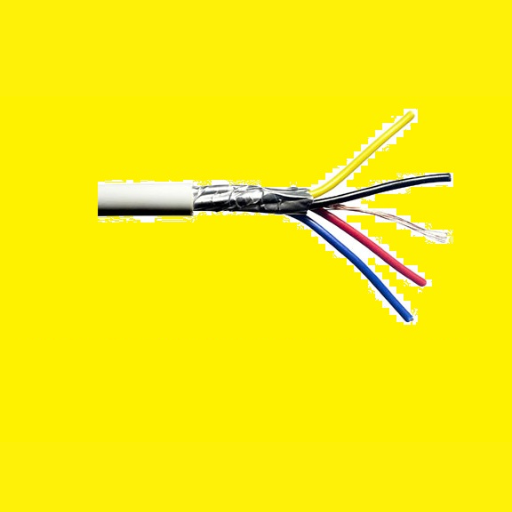
The correct wire type selection together with its maximum length knowledge serves as the primary requirement for safe operation and efficient performance of RV electrical links. The next section shows standard wire types which have defined maximum length limits that depend on both amperage and wire gauge specifications.
Copper Wire
RV electrical systems use copper wires because of their excellent conductivity and common usage. The following table outlines maximum lengths for copper wire based on amperage and wire gauge:
| Amperage (A) | Wire Gauge (AWG) | Maximum Length (Feet) |
|---|---|---|
| 15A | 14 AWG | Up to 50 feet |
| 20A | 12 AWG | Up to 50 feet |
| 30A | 10 AWG | Up to 50 feet |
| 50A | 8 AWG | Up to 70 feet |
For longer distances, increasing the wire gauge (using thicker wires) helps avoid voltage drop or overheating.
Aluminum Wire
Aluminum wire provides advantages of lightweight material and lower costs, but it delivers inferior electrical conductivity when compared to copper wire. This often results in shorter maximum lengths for the same amperage rating. Below are typical guidelines:
| Amperage (A) | Wire Gauge (AWG) | Maximum Length (Feet) |
|---|---|---|
| 15A | 12 AWG | Up to 40 feet |
| 20A | 10 AWG | Up to 50 feet |
| 30A | 8 AWG | Up to 60 feet |
| 50A | 6 AWG | Up to 70 feet |
General Guidelines
- The installed distance measurement system needs to maintain voltage drop control because it requires operation within its specified maximum distance.
- The RV appliances need protection because their sensitive components will break when voltage drops reach 3% of their running voltage level.
- Select the right insulated wires for outdoor or exposed applications to protect against weather damage and wear which occurs over time.
- The wiring system verification process requires two verification methods which need licensed electricians and RV wiring standards to ensure compliance with local building codes.
⚠️ Importance of Correct Wiring:
The system will overheat when users choose incorrect wire types or exceed maximum wire length limits which will result in electrical fires and equipment breakdowns. RVers can achieve safe and reliable power through their travels by following these guidelines and using trustworthy materials.
Comparative Analysis of Gauges
Establishing proper electrical wiring systems for RVs requires correct selection of wire gauge according to their necessary power requirements. Wire gauges are categorized based on their diameter and the amount of current they can safely transmit over specific distances. The following section assesses five standard wire gauges.
| Wire Gauge | Max Amps | Usage | Max Length (12V) |
|---|---|---|---|
| 16 AWG | 10 Amps | Small electronic devices with short-term power connections | ~7 feet |
| 14 AWG | 15 Amps | Standard circuits for lights and small devices | ~10 feet |
| 12 AWG | 20 Amps | Standard circuits for lights and small devices | ~15 feet |
| 10 AWG | 30 Amps | High-power appliances such as air conditioners | ~20 feet |
| 8 AWG | 40 Amps | High-demand requirements such as inverters and battery connections | ~25 feet |
RVers can choose appropriate power distribution methods through their understanding of wire gauge specs and performance limitations.
Recommended Sizes for Different Applications
When selecting wire size for your RV electrical systems, you need to evaluate three elements which are current draw and circuit length and voltage drop requirements for safe and efficient electrical system performance.
The right wire gauge selection helps you to boost the electrical performance of your RV system while ensuring safety for both yourself and your equipment. You should always check these recommendations against your specific needs before using them.
Frequently Asked Questions (FAQ)
References
- Modern Residential Wiring (10th Edition) Modern Residential Wiring
A comprehensive guide on residential wiring, including circuit breakers and wire sizing. - Guide to the Wiring Regulations (BS 7671: 2008) Guide to the Wiring Regulations
This book provides authoritative information on wiring regulations and circuit breaker requirements. - Electrical Installation Designs Electrical Installation Designs
A detailed resource on electrical installation and compliance with wiring standards.