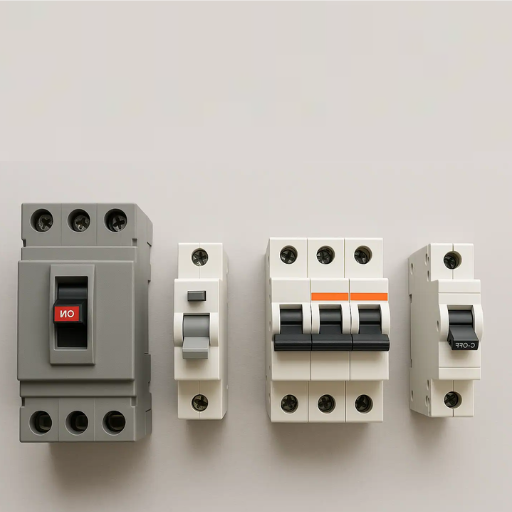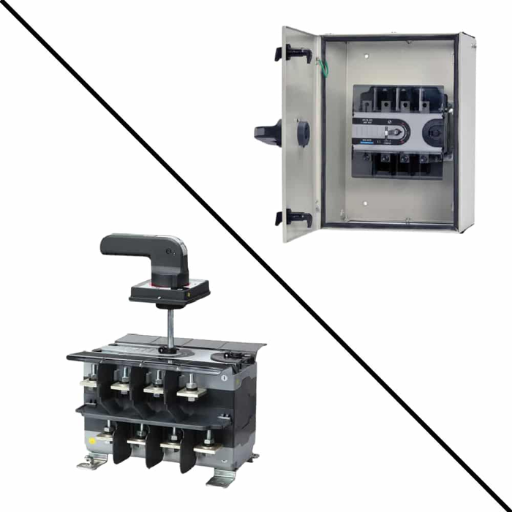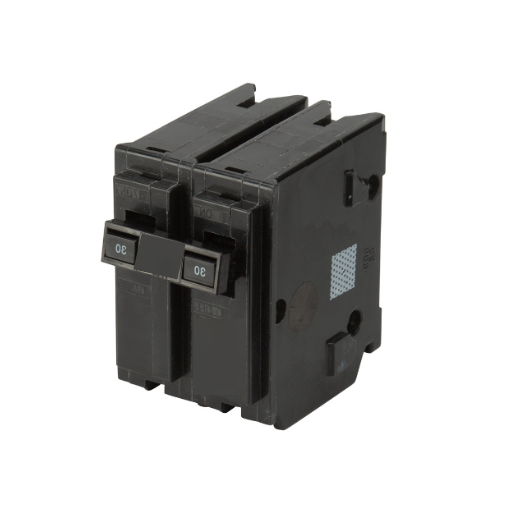
The process of selecting the proper wire size for a 50 amp circuit requires special consideration because it directly affects both the performance of the system and the necessary safety standards. The correct wire size needs to be chosen because it protects electrical systems from overheating while allowing them to function at their designed performance level. Your home electrical system requires you to understand both wire sizing and breaker operations so you can manage your high-demand appliances and create DIY projects. The article presents essential factors which include wire gauge recommendations and safety guidelines and code compliance requirements to equip you with essential knowledge which will enable you to select suitable electrical systems for your needs. The following section delivers essential information which will help you to achieve your objectives during your first attempt to reach your goals.
Introduction
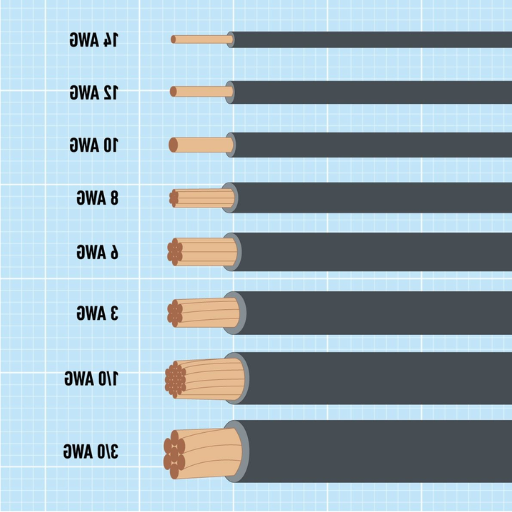
The process of selecting appropriate wire size together with circuit breaker selection establishes the foundation for maintaining safe electrical operations while achieving optimal system performance. Wire size, measured in gauge, determines how much current can flow without overheating. Most household circuits use 14-gauge wire because it works with 15-amp breakers while 12-gauge wire functions with 20-amp breakers. The building codes and regulations specify installation requirements which must be followed for each type of installation thus building codes must be verified at the local level. The professional guidance of a licensed electrician will determine whether your installation meets safety requirements and prevents potential dangers for your electrical system.
Importance of Wire Sizing for Safety and Compliance
The process of selecting proper wire sizes, which affects both system safety and operational efficiency, establishes compliance with electrical regulations. The use of incorrect wire sizes creates a situation where wires will overheat, which results in fire hazards and equipment failure. The following five details demonstrate why proper wire sizing needs to be applied for safety and code compliance.
- Overheating Prevention — When undersized wires transport electrical load, they create excessive heat accumulation, which results in fire hazards. A 14-gauge wire, which carries a 20-amp load, will overheat because its design allows for only 15-amp operation.
- Voltage Drop Minimization — The use of improperly sized wires leads to high voltage drops throughout extended distances, which causes connected devices to operate at diminished performance levels. Standard codes suggest minimizing voltage drop to under 3% for optimal functioning.
- Code Compliance — Local electrical codes, which include the National Electrical Code (NEC) in the U.S., require specific wire sizes for various electrical uses. The failure to meet this requirement will result in inspections, which either require additional work or lead to monetary penalties.
- Load Capacity Matching — The use of correctly sized wires ensures that circuit breakers will operate properly, while simultaneously matching the load demand to the wire’s electrical capacity. The 12-gauge wire can operate safely at 20 amps, while the 10-gauge wire supports a maximum current of 30 amps.
- Longevity of Electrical Systems — The correct wire size establishes an effective system which prevents wire degradation through protection against overheating and excessive electricity flow. This process guarantees that electrical systems will maintain their operational efficiency while decreasing their maintenance expenses throughout their lifespan.
⚠️ Correct wire sizing ensures the system operates efficiently while safeguarding against potential safety risks. Complex installations should only be executed by following established guidelines and seeking advice from professional experts.
Overview of 50 Amp Circuits
The 50-amp circuit provides strong electrical connections which support power requirements in homes and businesses and recreational vehicles. The system operates at power levels which exceed the capacity of common 15-amp and 20-amp circuits to supply energy to ovens and other large appliances and air conditioning systems and recreational vehicles. The circuit uses special wires which can conduct greater electrical currents to operate heavy power equipment in a safe and effective manner.
The 50-amp circuit requires four wires which include two hot wires and one neutral wire and one ground wire to deliver 12000 watts of power at 240 volts. The two hot wires deliver 120 volts each which allows large appliances to operate at their maximum power capacity. The National Electrical Code (NEC) specifies that common wire sizes for 50-amp circuits are 6 AWG which suits most applications and 8 AWG which suits short distance connections.
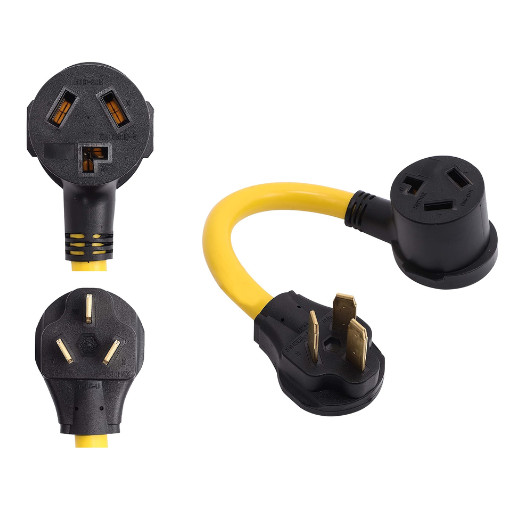
A 50-amp breaker needs appropriate wire and outlet specifications which fulfill heavy-duty standards in accordance with current regulations. A 50-amp outlet used in RVs needs a special four-prong plug system which connects RVs to their power systems.
Professional electricians need to install 50-amp circuits because untrained people will create unsafe connections which will result in electric fires and short circuits and overheating problems. The performance and durability of electrical systems using 50-amp circuits depend on compliance with building codes and safety regulations in the local area.
⚡ Quick Answer to Wire Size for 50 Amp Breaker
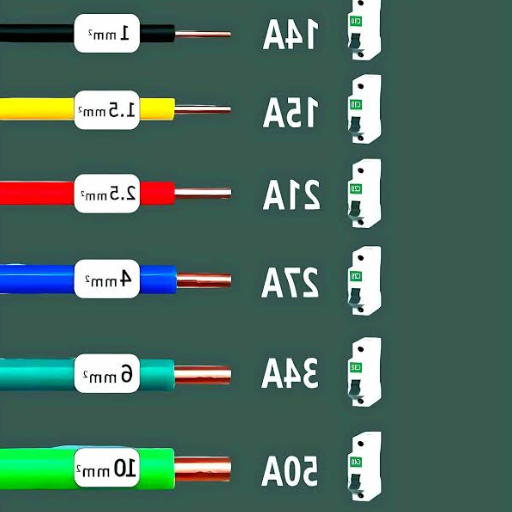
The standard wire size requirement for a 50-amp breaker installation needs 6 AWG wires to fulfill all common installation requirements. The wire size can handle 55 amps because it uses copper conductors which provide a secure connection that operates without overheating issues. The requirement for 4 AWG wire size stems from the fact that aluminum wires need larger diameters than copper wires to carry equivalent voltage levels.
Detailed Considerations
Copper vs. Aluminum Wiring
- Copper Wires (6 AWG): Preferred for most installations due to their high conductivity and durability. Ideal for short to medium runs.
- Aluminum Wires (4 AWG): Their lighter weight and lower cost advantages require more space to transmit the same voltage as copper wires.
Distance of Wire Run
If the wire run exceeds 100 feet distance voltage drop becomes an essential aspect that needs evaluation. The voltage drop issue requires you to select a larger wire size which needs 4 AWG copper instead of 6 AWG for better efficiency at extended distances.
Environmental Factors
The installation environment which includes indoors and outdoors and underground spaces will determine the wire selection process. Wires must have proper insulation and rating that matches their installation environments to protect against damage and dangerous situations.
Types of Circuits Powered
The wire must match the required rating because it needs to support operational equipment that includes RVs and electric ranges and welding machines. The National Electrical Code (NEC) requires licensed electricians to verify correct wire size which you need to meet local coding standards. The system will maintain safe and dependable operation at 50 amps when you execute correct calculations and installation procedures.
Recommended Wire Size
The selection of wire size for a 50-amp circuit requires assessment of both circuit length and wire type. The National Electrical Code (NEC) together with industry standards establishes the following guidelines for electrical installations. For standard installations 6 AWG copper wire serves as the standard wire size used in 50-amp circuits. The wire size delivers enough ampacity which allows it to operate electric ranges RV hookups and all other 50-amp devices.
Aluminum wiring users should use 4 AWG aluminum wire to handle 50-amp electrical loads. Aluminum needs thicker wires because its ampacity falls below copper.
Voltage drop problems begin to occur when your circuit distance exceeds 100 feet. To decrease voltage drop for better power transmission the wire size must be upgraded to the next larger size which requires using 4 AWG copper or 2 AWG aluminum wires for extended distances.
Important Specifications With Corresponding Data
- 6 AWG Copper Wire Ampacity = 55 amps in standard applications (adjusted to 50 amps by NEC for safety margins).
- 4 AWG Aluminum Wire Ampacity = 55 amps in similar scenarios.
- Common wire types such as THHN and THWN meet indoor and outdoor insulation requirements when they are installed inside conduit systems that have a 90°C rating.
Summary Table
| Wire Type | Wire Size (AWG) | Max Distance (Up to 100 ft) | Max Distance (>100 ft) | Notes |
|---|---|---|---|---|
| Copper | 6 AWG | ✅ Suitable | Use 4 AWG | Best for short to moderate runs |
| Aluminum | 4 AWG | ✅ Suitable | Use 2 AWG | Requires thicker wires for safety |
| Copper-clad Aluminum (CCA) | 4 AWG | ✅ Suitable | Use 2 AWG | Similar to aluminum wiring |
Wire Gauge Chart for 50 Amp Circuits
The selection of the correct wire gauge for a 50-amp circuit establishes the basis of both safety standards and operational efficiency. The following table shows which wire gauges to use based on the wire material and circuit distance to manage voltage drop requirements.
| Circuit Distance (One-way in Feet) | Copper Wire Gauge | Aluminum Wire Gauge | Notes |
|---|---|---|---|
| 0–50 Feet | 6 AWG | 4 AWG | Suitable for standard installations. |
| 51–100 Feet | 4 AWG | 3 AWG | Larger gauge compensates for voltage drop. |
| 101–150 Feet | 3 AWG | 2 AWG | Necessary for long-distance circuits. |
| Over 150 Feet | 2 AWG | 1 AWG | Voltage drop becomes significant; adjust. |
Key Considerations
- Material Differences: Copper Wiring delivers better energy efficiency together with superior electrical conductivity when compared to its higher price. Aluminum Wiring provides a more lightweight and cost-effective solution, but it needs more substantial wire dimensions to handle equivalent electrical loads.
- Voltage Drop: The distance requirements create a critical need for voltage drop control. The system demands larger wire gauges because longer distances require them to maintain operational efficiency while meeting safety requirements.
- Temperature Ratings: Wires must be rated for the temperature they will encounter during operation. The insulation rating needs to be verified, and it should match the conditions that are expected to occur.
- Consulting Regulations: The selected wire gauge needs to be verified for compliance with local electrical codes and regulations. A licensed electrician should be consulted for specific installation requirements.
The process of selecting wire size for your 50-amp circuit requires you to select correct insulation and connections.
Technical Specifications of Wire Types
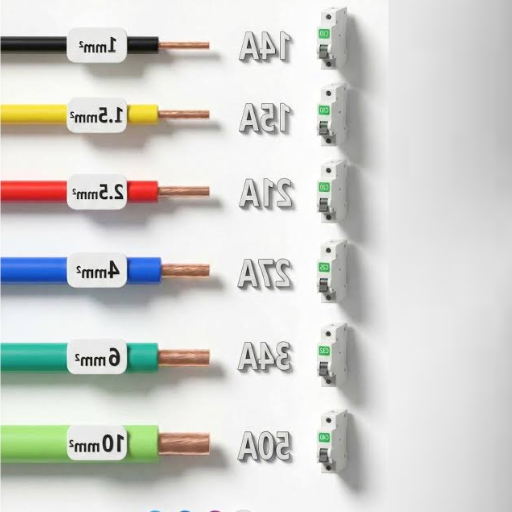
The success of electrical operations depends on wire specifications which need to be understood by the operators. The following section describes the basic wire types which engineers use to design 50-amp circuits together with their respective technical specifications.
Summary Chart of Wire Specifications for 50-Amp Circuits
| Wire Type | Material | Gauge Requirement | Ampacity | Temperature (°F) | Applications |
|---|---|---|---|---|---|
| THHN | Copper | 6 AWG | 55 amps | 194°F (dry) | Indoor panels, industrial usage |
| UF-B | Copper/Alu | 6–4 AWG | 50 amps | 167°F | Outdoor/underground cable |
| XHHW | Copper/Alu | 6–4 AWG | 50 amps | 194°F | Industrial, wet/dry environments |
| Aluminum | Aluminum | 4 AWG | 50 amps | 167°F | Feeders, utility applications |
You need to analyze all the technical details which we discussed before this point. The correct wire type selection will allow you to achieve your operational needs while meeting all applicable legal standards. The specifications must be verified through testing and experts should be consulted when needed.
Copper vs. Aluminum Wire
The selection process for copper versus aluminum wires requires understanding their unique physical properties along with their specific applications and their actual performance capabilities. The following comparison displays essential information and measurement data for both wire types:
Conductivity
Copper wire transmits electricity more effectively than aluminum wire because its electrical conductivity is much higher than aluminum wire’s conductivity. The conductivity of aluminum is 61 percent of copper’s conductivity which forces engineers to use larger wire dimensions for equivalent current transmission.
Weight
Aluminum has a weight that is one-third of copper’s weight because it is less dense than copper. The lightweight nature of aluminum makes it an ideal material for overhead power lines and long-distance power transmission.
Durability
Copper shows better protection against corrosion than aluminum because it can survive various environmental conditions which leads to longer operational lifespans. Aluminum requires special treatment because it becomes more vulnerable to oxidation which results in higher maintenance needs.
Cost
Aluminum provides better value than copper because it remains the less expensive choice for most large-scale projects. Copper wires function as an investment because they offer better performance and longer life span than other options.
Heat Resistance
Copper provides better thermal protection than aluminum because it maintains its structural integrity at higher temperatures which makes it suitable for high-demand industrial environments. The operational safety of aluminum wires at high temperatures requires the use of anti-oxidizing compounds which must be added to their design.
The process of selecting appropriate electrical wiring materials for residential commercial and industrial applications improves when people acquire knowledge about different factors that affect wire performance.
Understanding Wire Gauge
The wire gauge system establishes standardized wire dimensions which are used to measure a wire’s ability to conduct electricity and its electrical resistance characteristics. The American Wire Gauge (AWG) system establishes standardized wire gauge measurements which define the wire’s diameter and its cross-sectional area. The thicker wires have smaller gauge numbers while the thinner wires have larger gauge numbers.
Standard Wire Gauge Sizes and Their Applications
| Wire Gauge | Diameter | Typical Application |
|---|---|---|
| 14 AWG | 1.63 mm (0.064 in) | Light fixtures and outlets on 15-amp household circuits |
| 12 AWG | 2.05 mm (0.081 in) | Kitchen outlets and appliances on 20-amp circuits |
| 10 AWG | 2.59 mm (0.102 in) | Air conditioners and electric dryers on 30-amp circuits |
| 8 AWG | 3.26 mm (0.128 in) | Essential appliances requiring 40-amp power supply |
| 6 AWG | 4.11 mm (0.162 in) | Electric heaters and sub-panels up to 55 amps |
The Importance of Wire Gauge Selection
The correct wire gauge selection establishes essential requirements which guarantee both operational efficiency and safe system functioning. The wire will experience overheating problems which create fire risks when it uses a wire gauge that exceeds its current handling capacity. The cost of using an excessive gauge wire increases because it requires more expensive material.
The electrical resistance of copper wire remains lower than that of aluminum wire while copper wire provides greater current capacity because a smaller copper wire gauge can transmit the same electrical current as a larger aluminum wire gauge. Voltage drop calculations become necessary for power distribution because thinner wire leads to power loss across extended distances.
Voltage Drop Considerations
Long distance wiring installations become more sensitive to voltage drop issues because they require special solutions to solve their power transmission problems. The National Electrical Code (NEC) recommends keeping voltage drop below 3% for efficiency.
📐 Example Calculation:
The voltage drop for a 12 AWG copper wire which carries 20 amps across 50 feet approximately equals 2.04% which most applications consider acceptable.
The users can achieve maximum safety and performance results together with regulatory compliance by using wire gauge standards according to specific project requirements and electrical load specifications and distance measurements.
Ampacity Ratings Explained
The term ampacity describes the highest continuous electrical current that a conductor can carry without reaching its temperature limit. The factors which determine ampacity include the materials used to make the conductor and the type of insulation and the ambient temperature and the specific installation conditions. The determination of ampacity requires electricity experts to understand its concept because they need this knowledge to create safe operational electrical systems.
Ampacity Ratings for Common Wire Sizes
The NEC establishes standard ampacity values for copper wires with THHN insulation at an ambient temperature of 30°C (86°F):
- 14 AWG — 15 amps
- 12 AWG — 20 amps
- 10 AWG — 30 amps
- 8 AWG — 40 amps
- 6 AWG — 55 amps
Aluminum conductors show decreased ampacity which ranges between 20-30% compared to copper conductors. The ampacity of a 12 AWG aluminum wire usually ranges around 15 amps while the ampacity of a copper wire reaches 20 amps.
Derating Factors
- Ambient Temperature: The standard practice requires ampacity derating when temperatures exceed 30°C (86°F). The 40°C (104°F) temperature results in a 10-12% decrease of ampacity.
- Conductors in Conduit: Multiple conductors which are grouped together in a conduit will need their ampacity adjusted because the wires will generate heat. The NEC provides specific correction factors for different scenarios.
Importance of Choosing the Right Ampacity
The use of a conductor that lacks sufficient ampacity creates a risk of overheating which results in insulation breakdown and fires and equipment failures. Use NEC ampacity tables and engineering tools to determine application-specific requirements. The application of accurate ampacity ratings enables professionals to create electrical installations which achieve maximum safety and operational effectiveness.
Factors Influencing Wire Selection
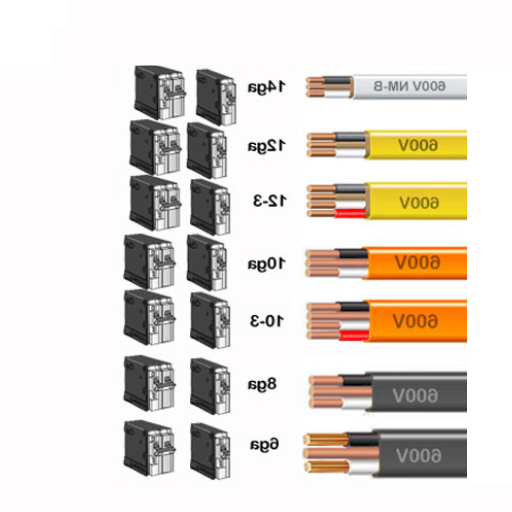
The selection of proper electrical installation wire requires examination of multiple factors which determine both system performance and safety compliance. The five aspects require assessment.
1
Ampacity
Ampacity defines the maximum amount of electrical current which a wire can safely transmit. The electrical current capacity of a wire depends on its conductor material and wire gauge and insulation type. The correct ampacity value for the wire permits safe electricity flow through all loads while maintaining safe temperature limits.
2
Voltage Rating
Wires must be selected based on their voltage rating to ensure they can safely handle the maximum voltage of the system. Insulation materials become damaged when voltage levels exceed the established rating which results in equipment breakdown.
3
Temperature Rating
A wire’s operational performance depends on both its ambient temperature and its actual operating conditions. The selection of a wire with proper temperature rating prevents both thermal damage and operational breakdowns during use.
4
Environmental Conditions
The assessment of environmental factors includes both moisture and chemical exposure and physical abrasion. Wires designed with specific insulation types, such as PVC, XLPE, or Teflon, are more suitable for harsh environments.
5
Conductor Material
Aluminum and copper serve as the primary materials for electrical conductors. Copper provides superior electrical conductivity and stronger material endurance compared to aluminum which offers weight advantages and lower production expenses. The choice of material for use should depend on the application requirements.
Distance and Voltage Drop Considerations
The selection of wires for a specific application requires consideration of distance and voltage drop because these two factors determine how well the electrical system operates and its safety standards. The following five considerations need to be considered in order to solve this problem.
- Wire Gauge: The correct wire gauge must be selected because it helps achieve the lowest resistance together with the least voltage drop. The recommendation for wire use at extensive distances is to select thicker wires which have lower gauge numbers because they produce less electrical resistance.
- System Voltage: The system voltage increase results in lower current flow which decreases the voltage drop that occurs as a result. The design of systems which operate at higher voltage levels enables electrical energy transmission to achieve greater efficiency across extended distances.
- Load Current: The current flow directly determines the amount of voltage drop that occurs. The requirements for larger conductor sizes arise from heavier loads which result in higher current flow that increases the voltage drop effect.
- Wire Length: The total wire length which includes both supply and return paths creates voltage drop in the system. The system design requires precise distance measurement because total distance estimation must be accurate to achieve correct system design.
- Material Resistivity: The material of the conductor establishes the resistance value for the conductor. Copper wires show lower resistivity than aluminum wires which enables them to effectively decrease voltage drop problems.
The system achieves optimal performance through proper handling of these factors which allows safe operation across extended distances.
Conduit Type and Its Impact on Sizing
The choice of conduit in an electrical system determines how large its conductors should be. The system operates with improved efficiency through proper conduit selection which increases safety and fulfills regulatory requirements. The following five primary factors determine how different conduit types affect their sizing requirements.
- Conduit Material: People use three main conduit materials which include steel and aluminum and PVC. Metal conduits which include rigid steel and EMT (Electrical Metallic Tubing) deliver strong protection but require special changes for system grounding needs. Non-metallic conduits such as PVC provide protection against corrosion but their different thermal expansion properties create challenges for determining proper sizing.
- Conduit Fill Percentage: The National Electrical Code (NEC) specifies allowable fill percentages based on the number of conductors and the conduit type. A single conductor must not fill more than 53 percent of the conduit area while two conductors should fill 31 percent. The fill limit needs to stay below 40 percent when three or more conductors exist in the system. The system efficiency will decrease when the system exceeds the established limits because thermal buildup will occur.
- Ambient Temperature Ratings: Different conduit types have varying abilities to withstand high or low temperatures. For example PVC conduit softens at elevated temperatures requiring derating of conductor capacity in hot environments. Steel conduits on the other hand maintain their structure more effectively in extreme heat.
- Bend And Length Restrictions Of Conduits: Bends and increased draught conditions result in higher stress during cable pulling which requires conductors that have two additional sizes above their installation stress requirements. NEC restricts total conduit bends to 360 degrees which applies to conduits that run continuously without any junctions or pull boxes.
- Environmental Conditions: The installation of conduits inside outdoor locations which have direct contact with outdoor spaces or the ground requires compliance with established rules and standards when it poses a risk to safety. The industrial environment requires the use of rigid conduits while PVC conduits serve as the appropriate choice for residential underground installations.
The design engineers will use these factors to create conduit selection structures which achieve optimal electrical performance while meeting safety requirements and building code regulations.
Temperature Ratings and Their Importance
The electrical systems of a facility need two temperature ratings which function as essential elements for safe operation and optimal system performance. The ratings establish the maximum temperature point which a conduit or wiring system can sustain without its materials beginning to break down or its operational capacity to fail. The ratings must be understood and followed because they protect against overheating and material degradation and the risk of fires. The following five temperature rating factors require evaluation for proper assessment:
- Ambient Temperature: The performance of conduit systems depends on the ambient temperature conditions which exist at their installation sites. For instance, conduits that face direct sunlight or conduits that operate in industrial locations with extreme heat conditions need materials which protect against higher temperature limits.
- Material Limitations: The thermal performance of conduit systems establishes different temperature handling capabilities which depend on the type of materials used. PVC conduits typically withstand temperatures up to 140°F (60°C). Rigid metal conduits (RMC) can endure higher ranges, up to 480°F (250°C) under certain conditions.
- Thermal Expansion: Materials exhibit expansion and contraction behavior due to temperature variations. The conduits must support thermal expansion in high-temperature zones to avoid producing stress which leads to cracking.
- Insulation Compatibility: The conduit temperature rating requires the internal wiring insulation to match its insulation specifications for system protection. Insulations like THHN or XHHW often support higher temperature ratings for demanding environments.
- Application-Specific Requirements: Certain applications require special temperature standards because their operational environment creates specific conditions. Freezer installations require conduits which perform effectively in sub-zero operating conditions. Desert climate overhead installations require UV-resistant conduits to protect against extreme sunlight exposure.
The correct rating selection enables installations to meet safety standards while maintaining system reliability through extended equipment life.
Common Applications for a 50 Amp Circuit
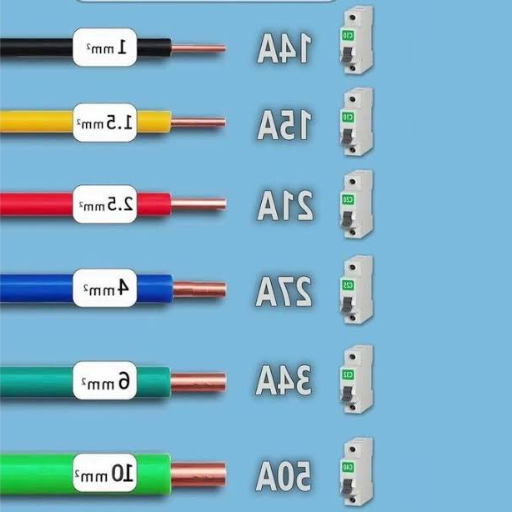
A 50 amp circuit is common in many residential and commercial and recreational settings. The following applications demonstrate the crucial need for 50 amp circuits to operate properly.
🚐 RV Hookups
Campgrounds and home installations require 50 amp circuits for recreational vehicles because these circuits provide sufficient power to operate all vehicle systems and air conditioning and all vehicle appliances.
🍳 Electric Ranges and Ovens
Modern electric stoves and ovens and ranges require a 50 amp circuit because cooking appliances need high power to function properly.
🚿 Large Electric Water Heaters
Electric water heaters with large capacity need 50 amp circuits to operate their powerful heating elements throughout their entire usage period.
🔧 Home Workshops or Garages
Power tools in home workshops and garages require 50 amp circuits to operate their large equipment, which includes air compressors and welding machines.
🛁 Hot Tubs or Spas
Home hot tubs and outdoor spas require a 50 amp circuit because it supplies safe electricity which powers their heating systems and pumps and lighting systems.
The installation of these circuits creates a power distribution solution that operates safely and efficiently while meeting the power requirements of all high-demand applications.
Electric Vehicle Chargers
Electric vehicle (EV) chargers serve as vital equipment which enables drivers to operate their EVs with both ease and efficiency. Home-based EV charging stations require Level 2 chargers to establish a 50 amp circuit connection because this setup allows them to achieve maximum charging performance. The chargers use 240 volts electricity to deliver charging speeds which range from 25 to 37 miles per hour depending on the vehicle and charger specifications.
A recent study shows that people are rapidly adopting electric vehicles because electric vehicle sales will increase by 40 percent throughout 2023. Homeowners need to upgrade their power systems because their current systems cannot support the electricity requirements of electric vehicle chargers. A dedicated 50 amp circuit requires proper wiring to maintain safe power flow which protects against electrical overloads and hazardous situations. Smart EV charger installation enables users to schedule charging times for off-peak electricity periods while monitoring real-time energy usage and connecting to renewable power systems which result in better cost reduction and energy-saving benefits.
The optimal convenience points to the installation of the EV charger at a location which needs to be close to the parking area. Most home users prefer wall-mounted chargers which they install in garages and weatherproof chargers which customers use outside their buildings. Homeowners who invest in the correct setup will achieve two benefits: their electric vehicle becomes ready to drive whenever needed and they support both sustainable development and energy-efficient operations.
RV Hookups
RV hookups provide essential services to recreational vehicle drivers who need electrical power and drinking water and waste disposal services at their camping locations and designated areas. The system supplies the required components which enable users to create a suitable environment for mobile living that proves vital during long-distance journeys and lengthy stays.
Types of RV Hookups
⚡ Electrical Hookups
The electrical hookups deliver two standard power options which include 30-amp and 50-amp service to meet the power requirements of different types of recreational vehicles. According to recent data, nearly 90% of campgrounds in the U.S. offer electrical hookups to accommodate modern RVs. The electrical systems include voltage protectors and adapters which protect their equipment by blocking power surges and fixing voltage mismatches.
💧 Water Hookups
RVs can access drinking water through freshwater hookups, which connect them to a clean water supply for drinking and cooking and bathing. Campgrounds use standardized water spigots, so it is necessary to use a water pressure regulator because campground water pressures can change between 40 to 80 PSI.
🚽 Sewer Hookups
Sewer hookups permit RVs to unload their gray water and black water wastes in a secure manner. About 70% of campgrounds which welcome RVs provide sewer connections, while dump stations become the primary waste disposal method at sites without complete restroom facilities. The use of proper sewer hoses combined with safe connections becomes necessary to achieve and maintain sanitary conditions.
Benefits of RV Hookups
RV hookups eliminate the need for visitors to depend on RV systems which provide both battery power and water storage because these systems enable better control during outdoor activities. The recent statistics show that over 50 million Americans traveled with recreational vehicles in the previous year, while most travelers preferred campgrounds which provided complete utility connections for their enhanced comfort.
Cost and Availability
The cost of RV hookups varies according to the particular location and the amenities provided at each site. The United States provides complete hookups which combine electric service with water and sewer service at prices that begin at $30 and go up to $70 for each night. Budget travelers can select campgrounds that provide only basic hookups or they can stay overnight for free at truck stops and designated retail locations which typically lack power and water access. Campground utility connections now include modern technologies which provide Wi-Fi access and smart monitoring capabilities because of the growing demand for RV travel. Travelers who understand RV hookup types and their advantages will find it easier to plan their trips and experience nature without interruptions.
Electric Ranges and Other Appliances
Travelers who use RVs can operate various electronic items which help them during their journey because these items create better living conditions and easier travel experiences. The equipment which people need for RV living must have custom-designed features because it must operate within their restricted space and meet their unique power demands. The following five electrical devices represent common equipment which people use in RVs together with their specific information:
🍲 Electric Range
The electric range serves as a necessary cooking appliance which enables users to prepare food through its compact design which operates with high efficiency. The majority of models provide multiple burners together with adjustable heat settings which make them suitable for boiling water and frying and sautéing tasks. Certain ranges feature built-in safety mechanisms which include automatic shut-off capabilities.
📡 Microwave Oven
The lightweight design with smaller dimensions of RV microwave ovens allows users to quickly heat food and make simple meals. The devices include efficiency settings which lower energy use while they operate at reduced power levels.
❄️ Refrigerator
RV refrigerators come in various sizes, from compact models to larger units, which suit different travel needs especially during extended journeys. The majority of models provide users the ability to switch between electric power and LP gas power which enables them to operate their devices without needing an electric connection.
🌬️ Air Conditioner
RV air conditioning units function as movable cooling systems which deliver efficient temperature control throughout all climate conditions. The systems come equipped with energy-efficient features which enable users to control their indoor climate through remote controls while using minimal effort.
👕 Washer and Dryer Combo
The combo units function as vital equipment which enables users to travel long distances because they require less energy and need less space. The system provides multiple washing and drying solutions which allow travelers to complete their laundry tasks without needing external laundry services.
Modern RV travelers depend on these electric devices because they bring essential benefits which improve their comfort and convenience throughout their travels to different locations.
Frequently Asked Questions (FAQ)
References
- ExpertCE —How to Calculate Wire Gauge for a 50 Amp Circuit
This article explains the standard wire gauge requirements for 50-amp circuits, referencing industry standards. - GearIT — How to Calculate Wire Gauge for a 50 Amp Circuit
This source aligns with the National Electric Code (NEC) recommendations for wire sizes. - Bluetti Power — 50 Amp Wire Size: What Size Wire Do I Need For 50 Amps?
This article provides NEC-compliant guidelines for copper and aluminum wire sizes.