Introduction
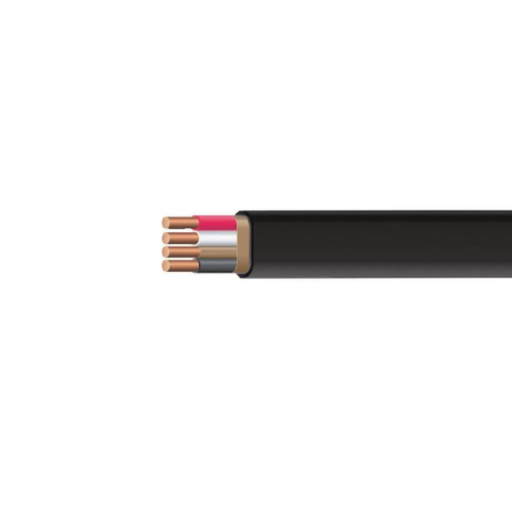
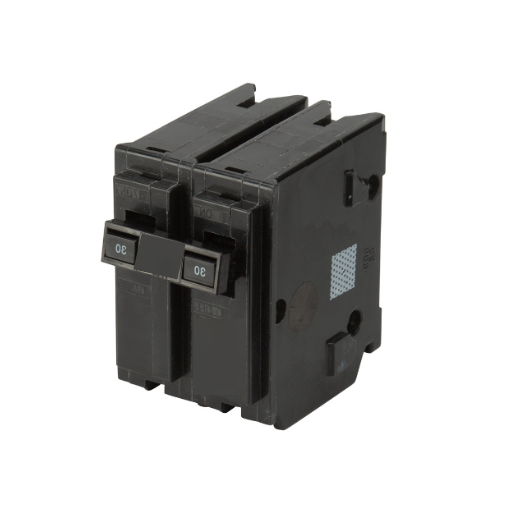
⚠ Quick Reference: The recommended wire size for a 30-amp breaker requires installation of either 10-gauge copper wire or 8-gauge aluminum wire. Always refer to local electrical codes and consult a licensed electrician if you’re uncertain, as regulations can vary and proper installation is crucial for safety.
The Importance of Matching Wire Gauge to Breaker Size
The proper wire gauge needs to match the appropriate breaker size so that all electrical safety rules and equipment operational requirements and local regulations can be fulfilled. Wires that are excessively small will experience overheating which creates a fire hazard while wires that are excessively large result in extra costs and operational difficulties. Below are five key reasons why matching wire gauge to breaker size is important:
Prevention of Overheating
The installation of undersized wires causes resistance problems which result in excessive heat generation. The installation of a 14-gauge wire with a 30-amp breaker produces a situation that leads to overheating which creates a serious fire threat.
Efficient Current Flow
Properly sized wires transmit electrical power to equipment through their connections while blocking any resistance that would cause energy losses. A 10-gauge copper wire can handle a 30-amp load safely while thinner wires cannot handle that capacity.
Compliance with Electrical Codes
The NEC (National Electrical Code) establishes specific wire gauge and breaker size combinations that must be followed to ensure safe electrical system operation.
Proper Functioning of Appliances
The correct wire size ensures that appliances receive the right electrical supply which enables them to work properly while minimizing their chances of breaking down.
Longevity and Durability of Wiring
The proper selection of wire size protects cable integrity because it prevents equipment from pulling on wires thus extending wire lifespan and decreasing repair costs throughout the equipment’s operational period.
You must match your wire and breaker sizes to your planned electrical load because it ensures safety and maintains efficiency and meets safety regulations. You should consult a licensed electrician for any situation that involves complex elements or requires specialized knowledge.
Understanding Amperage and Breaker Ratings
The term amperage describes the electrical current which moves through a circuit. The measurement of amperage uses the unit called amperes or amps. The electrical system amperage needs to be understood because it determines the safe current capacity which a wire or device can sustain. Breaker ratings specify the maximum current limits of a circuit breaker which it can handle without tripping to protect the system from both overloads and short circuits.
Importance of Matching Amperage and Breaker Ratings
Each electrical circuit is designed to handle a specific load which is determined by the amperage. For example:
- ⚡
The 15-amp circuit operates effectively for both lighting and small appliance usage. - ⚡
The 20-amp circuit enables operation of various sizable appliances like refrigerators and microwaves. - ⚡
Heavy-duty equipment needs higher ratings such as 30-amp or 50-amp which include electrical heaters and air conditioning systems.
The system trips frequently when the breaker rating drops below circuit requirements whereas an oversized breaker leads to wire overheating which creates fire dangers.
Data and Standards — NEC Common Pairings
The National Electric Code (NEC) establishes standards that require proper wire gauge and breaker size matching. Common pairings include:
| Breaker Size | Required Wire Gauge |
|---|---|
| 20-Amp Breaker | 12-gauge wire |
| 30-Amp Breaker | 10-gauge wire ✔ |
| 40-Amp Breaker | 8-gauge wire |
The evaluation of amperage needs to include voltage as a critical factor. A 240-volt circuit delivers twice the power of a 120-volt circuit which operates at the same amperage thus making it ideal for driving large appliances and industrial equipment.
Tips for Safety and Efficiency
The total load calculation needs to include all devices which connect to a circuit so that the total remains below the breaker capacity. The recommendation states that 80 percent of the breaker capacity should be used as safety margin. A 20-amp breaker should carry only 16 amps of consistent load according to ideal operational conditions.
An electrician should be consulted for complex installations which involve situations where there is high uncertainty.
Recommended Wire Gauge for a 30 Amp Circuit
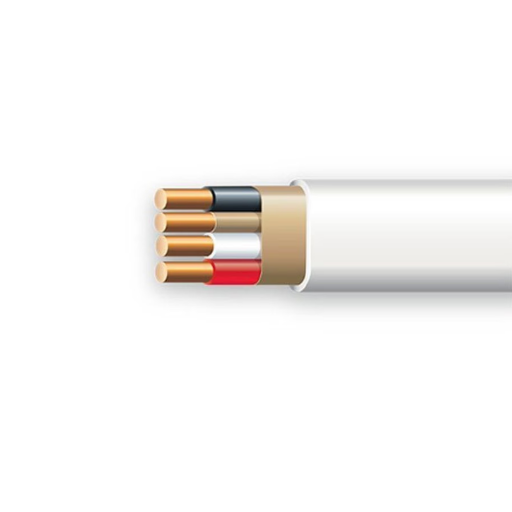
The process of creating or improving a 30-amp circuit requires its designers to choose the correct wire gauge which will guarantee both operational safety and optimal performance. The electrical standards and best practices require 30-amp circuits to use minimum wire size of 10 AWG copper wire or 8 AWG aluminum wire. The size of wire determines the maximum electrical current which the wire can carry without overheating to dangerous levels.
Key Considerations for Wire Gauge Selection
📏 Length of the Circuit
Voltage drop becomes an issue when circuit wiring extends beyond 100 feet. The use of thicker wire through 8 AWG copper or 6 AWG aluminum will reduce power loss while maintaining system efficiency.
⚙ Wire Material
Copper wires become the wire of choice because they provide superior conductivity while offering better durability. Although aluminum wires offer budget-friendly solutions for extended distances they need special fittings and maintenance to stop their corrosion.
🏠 Application
Heavy-duty appliances require users to choose wires which meet both equipment specifications and local electrical code requirements for air conditioners and water heaters and welders.
📚 Local Codes and Standards
Your local electrical codes require you to verify specific requirements which govern wire gauge selection and installation methods because your region enforces safety and compliance regulations.
Ampacity Chart for 30 Amp Circuits
| Wire Gauge | Material | Max Amps | Recommended Distance* |
|---|---|---|---|
| 10 AWG | Copper | 30 Amps | ≤ 100 Feet |
| 8 AWG | Copper | 40 Amps | > 100 Feet |
| 8 AWG | Aluminum | 30 Amps | ≤ 100 Feet |
| 6 AWG | Aluminum | 40 Amps | > 100 Feet |
*Distance recommendations consider voltage drop for optimal performance.
The correct wire gauge protects your electrical system from overheating which creates fire hazards while it maintains proper operation of your equipment. You should always hire a licensed electrician to determine whether your selected equipment matches your system needs and local building codes.
Standard Wire Sizes for 30 Amps
The appropriate wire size for a 30-amp circuit should be determined through consideration of three main factors which include wire material selection between copper and aluminum and the actual distance to be covered and the specific environmental conditions that will be encountered. The following guidelines provide a clearer understanding:
| Wire Gauge | Material | Ampacity | Maximum Distance* |
|---|---|---|---|
| 10 AWG | Copper | 30 Amps | Up to 100 Feet |
| 8 AWG | Aluminum | 30 Amps | Up to 100 Feet |
| 8 AWG | Copper | 30 Amps | Over 100 Feet (accounts for voltage drop) |
| 6 AWG | Aluminum | 30 Amps | Over 100 Feet (accounts for voltage drop) |
*Voltage drop occurs when electrical current travels over long distances, causing energy loss. Keeping voltage drop below 3% ensures system efficiency.
Additional Considerations
- ✓
Home electrical systems require copper wire because its exceptional electrical conductivity makes it more trustworthy than other materials. The aluminum wire solution offers cost savings yet requires more substantial conductors to deliver the same electrical performance. - ✓
The circuits need larger wire gauge for distances greater than 100 feet because this wire size ensures proper voltage regulation and maintains system efficiency. - ✓
Select wire insulation that matches the environmental conditions of the installation site. The outdoor and wet location applications require UF-B or THWN-2 insulated wires because these wires provide protection against those specific conditions. - ✓
Local electrical codes establish different wire size and circuit requirements that depend on the specific location. A licensed electrician must work with you to create an electrical system that meets all local code requirements. - ✓
Electrical wire selection establishes a fundamental process which protects system safety while ensuring operational performance because it minimizes equipment breakdowns and overheating incidents and fire risks.
Copper vs. Aluminum Wiring Requirements
People need to learn about the distinct properties that different materials bring to electrical systems before they can choose between copper and aluminum as their electrical wiring option.
Key Data and Figures
| Property | Copper | Aluminum |
|---|---|---|
| Electrical Conductivity | 100% IACS | 61% IACS |
| Density | 8.96 g/cm³ | 2.70 g/cm³ |
| Tensile (Breaking) Strength | 200–250 MPa | 70–100 MPa |
Considerations for Installation
The electrical industry selects copper as the primary wire material for smaller gauge wires because it provides better performance and dependable service than other options. Aluminum installations require complete compliance with designated safety standards which include utilizing aluminum-specific connectors and protecting joints with antioxidant materials to stop corrosion. The wiring project requires consultation with both a licensed electrician and local code regulations to achieve safe installation that meets compliance requirements.
Wire Size Ampacity Chart for 30 Amp Breakers
The process of selecting the correct wire size for a 30-amp breaker requires evaluation of both wire ampacity and National Electrical Code (NEC) requirements. The selection of wire gauge determines the operational safety and efficiency of your electrical system. The following section presents an extensive ampacity table designed specifically for 30-amp breakers.
| Wire Gauge (AWG) | Copper Wire Ampacity | Aluminum Wire Ampacity | Common Applications |
|---|---|---|---|
| 10 AWG | 30 Amps | Not Recommended | General 30-amp circuits (e.g., electric water heaters, dryers) |
| 8 AWG | 40 Amps | 30 Amps | Suitable for long runs where voltage drop is a concern |
| 6 AWG | 55 Amps | 40 Amps | Ideal for higher-capacity circuits or reduced voltage drop |
Key Considerations
- •
Copper wire serves as the preferred choice because it delivers better electrical conductivity and dependable performance especially for thin wires that measure 10 AWG. The use of aluminum wire requires special conditions which need antioxidant materials and specific connection methods to stop wire overheating together with metal deterioration. - •
Installers must use 8 AWG or 6 AWG wires for pipelines extending beyond 100 feet because this requirement prevents voltage drop and maintains steady current delivery. - •
Electricians must follow the National Electrical Code together with their licensed electricians to determine appropriate wire sizes and breaker configurations which meet local safety requirements.
Your electrical system needs the correct wire size together with proper installation methods to achieve both safety and operational effectiveness.
Factors Influencing Wire Size Selection
- 1
The current load through the wire serves as the main criterion which determines the appropriate wire size measurement. A circuit which operates at 20 amps requires a 12 AWG wire while a 15-amp circuit can operate safely with a 14 AWG wire. - 2
Longer wire runs create voltage drop problems which decrease system efficiency and performance. The solution requires thicker wire for the installation process. A 50-foot distance with 20 amps running through it requires 10 AWG wire instead of 12 AWG standard wire. - 3
The installation process uses electrical system voltage to determine which wires will be employed. Wires in higher-voltage systems must have insulation ratings which match the increased electrical stress levels. - 4
The protection requirements for wires exposed to high temperature and moisture and corrosive environments should include special insulation and protective coatings. Outdoor conduit installations use THWN or UF-rated wire to improve durability of the wires. - 5
The specific application of the circuit, such as residential lighting, heavy-duty appliance use, or industrial machinery, influences the wire choice. High-demand appliances like air conditioners or water heaters require larger cables which can safely handle load surges.
The appropriate wire size selection process depends on these factors which help establish safe operations while maintaining efficient results according to electrical standards.
Impact of Distance on Voltage Drop
The electrical system design process requires voltage drop calculations which become crucial when designing long-distance circuits. Voltage drop occurs when electrical resistance in a wire causes a reduction in voltage as the electricity travels along it. The system experiences efficiency loss and equipment failure which creates safety hazards when voltage drop exceeds acceptable limits. The next section provides vital information together with voltage drop measurements which require evaluation at various distance points.
🔌 Wire Material
Copper wires have lower resistance compared to aluminum wires. Copper resistance: 1.68 ohms per 1,000 feet; Aluminum: 2.82 ohms per 1,000 feet.
📏 Wire Size
Larger size wires experience reduced voltage loss during operation. A 12-gauge copper wire will exhibit lower voltage drop than a 16-gauge wire across the same distance.
⚡ Load Current
Wire voltage drop increases as electrical current through the wire increases. The wire carrying 20 amps will show more voltage drop than the wire with 10 amps over the identical distance.
📏 Length of Wire Run
Voltage drop increases proportionally with the length of the wire. The 200-foot wire run will experience double the voltage drop found in a 100-foot run when all other conditions remain unchanged.
⚡ Voltage of the System
Low-voltage systems face higher risks from voltage drop than high-voltage systems. The 120-volt systems will experience major performance problems when they lose just 5 volts of power.
The selection of appropriate wire material and size design enables effective voltage drop reduction through careful assessment of these factors.
Choosing the Right Wire Size for Different Applications
You need to choose the appropriate wire size because it impacts both electrical system safety and system efficiency and system operational dependability. The following section presents five essential factors that need to be considered when determining appropriate wire dimensions, which include comprehensive explanations and supporting information.
1. Current Carrying Capacity (Amperage Rating)
The wire size needs to match the total current requirements of all connected devices and systems that it supplies power to. According to standard wire specifications, a 14 AWG wire can carry a maximum of 15 amps while a 12 AWG wire supports up to 20 amps of electrical current. If a wire capacity is used that does not meet required standards, it creates a risk of overheating and fire danger throughout the system.
2. Length of the Wire Run
The electrical system experiences increased resistance and voltage drop when the circuit length increases. For instance, in long-distance installations, a larger wire size may be required to maintain sufficient voltage at the load. For a 100-foot run at 20 amps, a 10 AWG wire may be necessary instead of a smaller size.
3. Voltage of the System
Higher voltage systems enable implementation of smaller wire sizes because they require less current to transmit equivalent power. The 240-volt system experiences reduced voltage drop when compared to the 120-volt system, which allows for the use of smaller gauge wires in particular situations.
4. Type of Insulation and Environment
The installation requirements for high-temperature wires need THHN or XHHW insulation types because these conditions require special protection. These types handle extreme conditions better than standard insulation. The proper selection of insulation materials leads to improved wire operational performance and extended lifespan.
5. Application Requirements (Residential, Industrial, or Commercial)
Each application category has specific wire sizing needs. For example, residential lighting circuits often use 14 AWG or 12 AWG wires, while industrial motors might require 8 AWG, 6 AWG, or even larger wires depending on the power load.
By analyzing these factors together with National Electrical Code (NEC) electrical codes, engineers and electricians can determine the most effective wire size for any situation, which will provide both safety and operational efficiency at an affordable price.
Common Applications for a 30 Amp Breaker
The 30 amp breaker serves as a standard electrical device which residential properties and commercial spaces and industrial facilities use to handle their mid-level power requirements. The following list contains five standard situations where electricians use a 30 amp breaker installation.
Electric Water Heaters
Standard residential electric water heaters draw 20–25 amps of current during regular operation, making a 30 amp breaker the most suitable protective measure.
Clothes Dryers
Residential electric clothes dryers require a 240-volt circuit which needs protection from a 30 amp breaker for their energy consumption needs.
Air Conditioning Units
Central air conditioning systems and large window AC units need a 30 amp breaker to control their power requirements during both startup and operation.
Electric Ranges (Smaller Models)
Some compact or smaller electric ranges require a 30 amp circuit for their power needs which depends on their wattage and specifications.
Welding Machines
Light-duty welding machines used in workshops and home DIY projects require 30 amp breaker circuits to protect their devices while ensuring safe operation.
Safety Considerations and Compliance
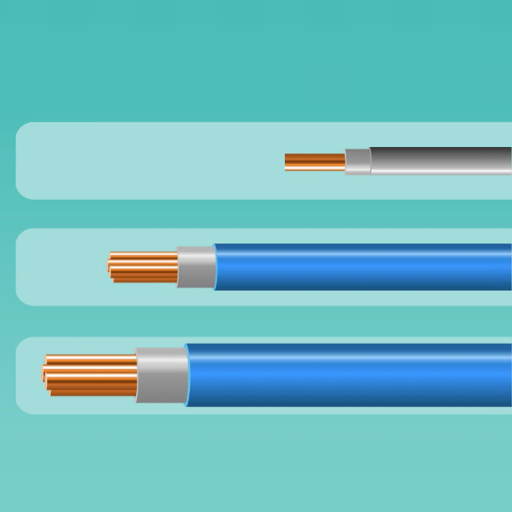
The 30 amp circuits require complete adherence to safety standards and compliance regulations to protect against electrical threats while enabling proper functioning of all connected equipment. The National Electrical Code (NEC) establishes particular requirements which define how circuit breakers and wiring should function with the equipment they supply power to. Users must verify that their connected devices match circuit breaker specifications and wire gauge requirements to prevent device failures and circuit breaker malfunctions.
⚠ Key Safety Tips
🔴
A 30 amp circuit typically requires a minimum of 10-gauge copper wire. The use of smaller wire size increases the risk of overheating which can lead to fire hazards. The National Electrical Code (NEC) allows the installation of aluminum wires which must adhere to specific standards and undergo proper maintenance procedures to prevent connection issues.
🔴
The total amp draw from all devices and appliances should remain below the 30 amp limit established for the circuit. When the circuit reaches its maximum capacity the breaker will trip which will result in an electrical system failure because the breaker components will undergo degradation.
🔴
Ground Fault Circuit Interrupters (GFCIs) protect areas which experience wetness or dampness which include kitchens and bathrooms and outdoor spaces. The NEC regulations require GFCI outlets to be installed at these designated locations.
🔴
The air conditioning systems which require connection to 30 amp breakers must follow specific SEER (Seasonal Energy Efficiency Ratio) rating requirements and installation standards which ensure HVAC systems operate safely and efficiently.
🔴
Electrical components such as wiring and outlets and breakers experience natural wear and tear which leads to their eventual breakdown. The routine inspections will identify hazards which include corrosion and arcing and loose connections.
Compliance Considerations
- ✓
NEC 2023 Updates: The NEC 2023 code requires three-year updates which include new safety technologies and advancements. You need to monitor all code updates which affect your location and particular work tasks. - ✓
Permits and Inspections: The installation or modification of a 30 amp circuit requires both permits and professional inspections which electrical code regulations mandate for local compliance. The process verifies that electrical work fulfills local electrical standards while safeguarding against possible legal and financial consequences. - ✓
UL-Listed Devices: All circuit breakers wiring and devices must use UL-listed products or devices which have received approval from recognized testing organizations. The certification process verifies that these products fulfill strict safety requirements and performance benchmarks.
📊 Supporting Statistics
The implementation of safety precautions together with compliance requirements will protect your 30 amp circuit operations from causing dangers to both people and property. The industry standards for electrical work require you to hire a certified electrician for all your installation and repair needs.
National Electrical Code (NEC) Compliance
The National Electrical Code (NEC) defines safety regulations which electrical systems in homes and businesses and industrial facilities need to meet during their installation and operation and maintenance processes. The NEC requires that all electrical systems need to follow specific rules which determine proper wire dimensions and circuit breaker specifications based on their particular electrical load requirements. A 30-amp circuit needs at least 10-gauge copper wire or 8-gauge aluminum wire as its minimum safe wire size because these wires can handle current without experiencing overheating problems. The use of undersized wires together with improper power settings for breakers results in electrical faults and fires and hazardous safety conditions.
The latest NEC guidelines require that circuit breaker sizes should match the total load requirements which the connected appliances and systems will generate. Breakers must trip when excessive current flows to prevent damage to electrical components. The NEC establishes a requirement for GFCIs to be installed in all bathrooms and kitchens and outdoor outlets because these areas have high moisture levels which help protect users from ground faults and electric shocks.
Current industry research demonstrates that companies need to comply with NEC standards. The Electrical Safety Foundation International (ESFI) reports over 51,000 fires annually in the U.S. are caused by electrical failures which include wire and breaker misuse as a major cause. The NEC standards must be followed by local authorities because they require electrical inspections for new buildings and renovation projects.
NEC Updates: The NEC requires continuous monitoring because it undergoes updates every three years to incorporate new safety technologies and industry standards. The latest NEC 2023 version presents new information about renewable energy systems and grid connections and better protection methods for electric vehicle charging networks.
Consequences of Using the Wrong Size Wire
The practice of using incorrect wire sizes for electrical work creates multiple dangerous problems which include both operational issues and threats to safety. The correct wire size establishes safe operational limits which enable electrical systems to function properly throughout their entire lifespan. The main results which occur when wires become used at incorrect dimensions include the following two outcomes.
🔥
Undersized wires cause wire overheating which occurs because the wire lacks capacity to handle required electrical current. The National Fire Protection Association (NFPA) states that electrical components which include wires tend to overheat and this represents one of the main reasons for residential fires in the United States. Wires that experience overheating create a risk of insulation melting which leads to short circuits that produce fire hazards.
⚡
The equipment will experience operational problems and equipment damage when the electrical load exceeds the capacity of the wire which creates voltage drops that prevent safe operation of all electrical items. Appliances such as air conditioners or refrigerators experience overworking when voltage drops exceed 5% which shortens their lifespan and increases their energy consumption.
🔌
The circuit breakers keep tripping because the undersized wire cannot handle the energy flow which the electrical system requires. The system creates two problems when it suffers a power outage which results in a security threat that remains until someone resolves the issue.
💰
The National Electrical Code (NEC) requirements demand proper wiring which will result in major financial penalties and project delays because it requires complete rewiring. Some insurance companies deny claims when they discover that an electrical fire started because of code violations.
🛒
The use of oversized wire for a small electrical project leads to additional material costs. The situation becomes dangerous because it wastes both resources and budget money.
📊 Real-Life Example with Statistics
A survey by Electrical Safety Foundation International (ESFI) shows that electrical malfunctions which include wire sizing problems cause approximately 13 percent of home structure fires every year. These incidents result in an estimated property damage of $1.4 billion each year. The selection of the appropriate wire gauge serves as the essential procedure which helps to reduce these threats.
To avoid these consequences, always ensure that the correct wire size is chosen for the specific application. The process requires users to examine NEC tables while evaluating the current load and voltage and distance before asking an electrician for professional consultation. The practice of selecting the right wire size protects both property and electrical system safety while maintaining operational reliability.
🔧 Consulting an Electrician for Safe Practices
The safest method to protect electrical systems while making sure all local regulations are met requires working with a certified electrician who provides consulting services. Electricians use their training to discover all possible issues during their process of determining load needs and selecting appropriate electrical parts which helps to reduce electrical fire risks and system failures.
The U.S. Bureau of Labor Statistics shows that electricians need to complete extensive educational programs together with rigorous practical training which includes thousands of hours spent as apprentices before they acquire the necessary expertise to work in their field. According to research by the National Fire Protection Association (NFPA) faulty wiring causes electrical fires which occur 51,000 times annually and result in more than 13 billion dollars of property damage. The results show that organizations must employ electrical professionals who have extensive expertise in safe electrical practices.
Electricians maintain their knowledge about the National Electrical Code (NEC) which receives updates every three years to incorporate new technological advancements and improved safety measures. Electricians use their knowledge to confirm that their installations match current standards which require them to choose the right wire sizes and install ground fault protection systems (GFCIs) in safety-focused areas like kitchens and bathrooms.
Professional electricians use advanced equipment which includes load analyzers and infrared cameras to find circuit overloads and hidden electrical issues. Their expert recommendations lead to energy-efficient solutions which include LED lighting installation and modern circuit breaker implementation as effective strategies for reducing energy expenses while maintaining system performance.
Electricians provide vital support for both new installations and existing system upgrades because their expertise enables safe electrical system implementation which ensures operational dependability throughout its entire lifespan. The process of handling electrical systems requires professional skills because expertise shows to be the efficiency which protects everyone involved.
❓ Frequently Asked Questions (FAQ)
📚 References
- •
Electric Wiring Chart: Provides wire size based on motor full load current and ampacity, referencing the National Electrical Code (NEC). PDF Link - •
National Electrical Code Allowable Ampacities of Insulated Conductors: Details ampacity ratings for various wire sizes, including 10 AWG copper for 30 amperes. PDF Link - •
Single Phase Wire Size Chart: Includes wire size recommendations for different amperages and voltages, useful for practical applications.PDF Link
Always consult a licensed electrician and verify local electrical codes before undertaking any electrical work. This article is provided for informational purposes only and does not constitute professional electrical advice.