
The electrical systems used in modern life provide energy to run both home appliances and industrial machinery. Electrical systems present serious danger to people when they operate without appropriate protective measures. The solution to this problem exists through the implementation of circuit breakers. Electrical circuits need protection from damage which results from overloads and short circuits through the selection of proper breaker size and type. The process of selecting appropriate circuit breaker size becomes challenging because there exists a wide range of circuit breaker options. The article explains standard circuit breaker sizes which show their significance, uses, and methods for choosing the right size for your system. The discussion demonstrates how circuit breakers protect electrical connections which interests homeowners, contractors, and anyone who wants to learn about electrical safety.
Understanding Circuit Breaker Sizes
What is a Circuit Breaker?
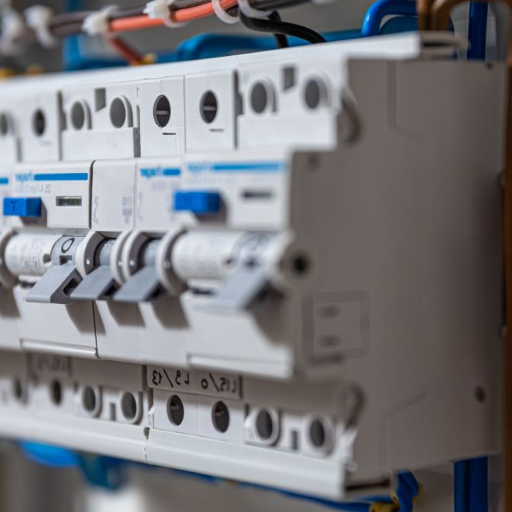
A circuit breaker functions as a vital element which protects electrical systems from damage that occurs when circuits experience overloads or short circuit events. The breaker interrupts electricity flow through the circuit when excessive current passes through the circuit. This mechanism protects devices from overheating and fires while preventing electrical appliances from sustaining damage. Circuit breakers function as reusable devices which users can reset after resolving the underlying problem, which makes them better than traditional fuses. The devices provide multiple size and type options which match different electrical load requirements and application needs while maintaining user safety and system operational reliability.
Importance of Standard Circuit Breaker Sizes
Standard circuit breaker sizes are essential for maintaining safe electrical systems because they establish necessary requirements for equipment compatibility. The system provides manufacturers and electricians with a standardized framework which enables them to execute their tasks according to established practices. The existence of standardized sizes enables users to choose and obtain replacement breakers because they need breaker devices which match their specific requirements. The standard sizes show the maximum electrical load which can be managed by the circuit so that circuits remain protected while they operate at their optimal level. Standardized sizes provide safety compliance for industries and households while establishing dependable electrical systems which operate reliably over extended periods.
Common Types of Circuit Breakers
The various types of circuit breakers operate according to their unique design specifications which suit particular usage requirements and environmental conditions. The most widely used types of equipment include miniature circuit breakers (MCBs) and molded case circuit breakers (MCCBs) and ground fault circuit interrupters (GFCIs) according to my knowledge. Residential and light commercial environments use MCBs to protect their electrical circuits which operate at lower energy levels between 15A and 60A. The product functions as a compact device that users can install with ease for monitoring electrical current and preventing both overcurrent and short circuiting from occurring during typical domestic applications.
MCCBs operate at higher current capacities, which makes them suitable for use in industrial facilities and commercial operations that require substantial electrical power consumption. The system offers adjustable trip settings which enable users to create customized protection that meets their operational demands. The system uses MCCBs to handle both overcurrent conditions and short circuit events which helps maintain operational reliability and safety in large industrial operations.
GFCIs represent another crucial electrical safety device which electricians normally install in locations that experience high moisture levels including kitchen areas and bathroom spaces and outdoor environments. The breakers use advanced technology to protect users from electrical shocks by monitoring current flow and shutting down power within 0.001 seconds when they detect any current abnormalities. Arc fault circuit interrupters (AFCIs) assist with fire prevention through their control of electrical arc faults which makes them important equipment for both technical specifications and safety measures. The diverse environments and power needs of each location require different types of circuit breakers which enhance electrical safety through their specific functions.
Standard Sizes of Circuit Breakers
Overview of Standard Breaker Sizes
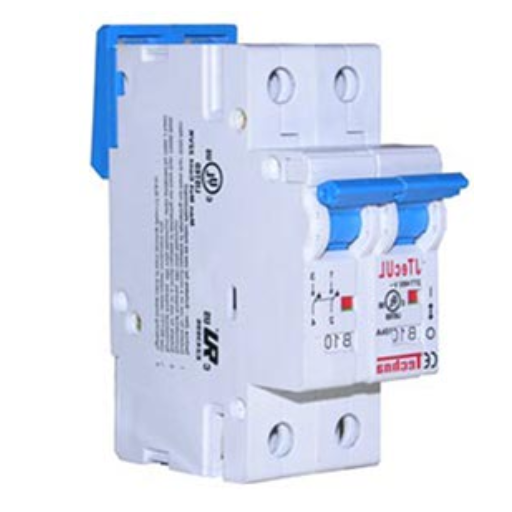
Various electrical systems need multiple circuit breaker sizes which manufacturers produce as standard breaker sizes. Residential areas commonly use 15-amp 20-amp and 30-amp breakers which serve as the primary circuit protection devices for lighting and small appliance circuits. Electric systems which supply power to high-demand appliances like HVAC equipment and ovens and water heaters require 40-amp and 50-amp and 100-amp breakers. Commercial and industrial environments need special circuit breakers which can manage electrical currents that surpass 1000 amps to operate their industrial machinery. Circuit breakers come in different physical sizes which enable them to match specific panel designs that include single-pole and double-pole and multi-pole setups. Proper equipment selection requires knowledge about size and type because it affects system performance and electrical safety.
15A and 20A Circuit Breakers: Residential Applications
In residential electrical systems, 15A and 20A circuit breakers serve as the primary breakers which maintain safe current flow for normal household wiring. A 15-amp breaker is generally employed for lighting fixtures, standard outlets, and small appliances that require less power. The 20-amp breaker functions better when installed in circuits that require more power for kitchen appliances and washing machines and other heavy equipment the circuit connects to.
The two breaker types serve essential functions which protect electrical systems from overloads that would cause circuit damage and create fire risks. In case of an electrical fault modern circuit breakers use thermal and magnetic trip systems which automatically shut down electrical flow until the system returns to normal. The correct installation process for 15A and 20A breakers requires two components which remain essential for residential efficiency and safety. The breakers operate effectively through maintenance and inspection procedures which verify their dependable performance throughout their operational life.
63A and 100A Circuit Breakers for Commercial Use
63A and 100A circuit breakers functionality as essential equipment in commercial spaces which require higher electrical capacity. The breakers operate successfully with the power needs of complete systems which include HVAC systems and industrial lighting and machinery and commercial appliances. The advanced materials and strong design of the product deliver dependable operation during both continuous use and high-demand situations.
Modern 63A and 100A circuit breakers frequently incorporate technology such as adjustable trip settings and enhanced thermal and magnetic protection and communication capabilities for integration with smart systems. This system enables facility managers to track operational status while detecting problems and controlling power consumption throughout the facility. The installation process needs to assess system load needs while meeting national and regional electrical regulations which exist in that specific area.
The breakers protect essential operations by preventing equipment damage and employee injury through their ability to detect overloads and short circuits and electrical faults. The organization requires both testing procedures and complete maintenance plans to maintain the system’s ability to function properly in challenging commercial environments.
Choosing the Right Circuit Breaker Size
Factors to Consider When Selecting Breaker Size
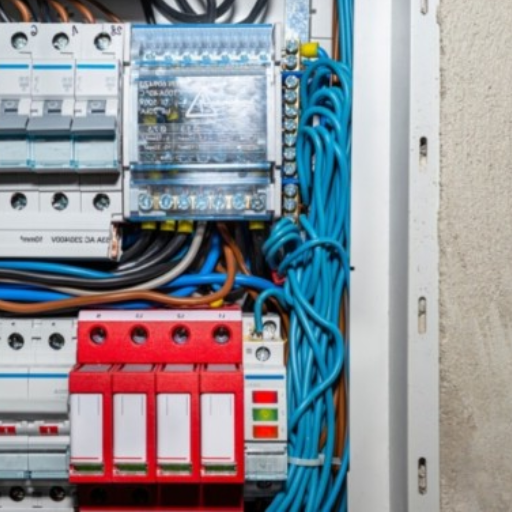
The process of selecting an appropriate circuit breaker size requires evaluation of multiple critical elements which guarantee both operational efficiency and security. The first consideration is the electrical load which involves calculating the total current required by all connected devices and ensuring the breaker can handle this demand without tripping unnecessarily. The wire size serves as an essential factor because the breaker needs to match the wire’s capacity to avoid overheating which creates fire hazards.
The environmental conditions control breaker performance because extreme temperatures and moisture exposure delivery extreme weather conditions which affect breaker operations. Industrial and commercial operations require breakers which handle both continuous operation and power surges through design specifications that provide safety limits exceeding normal operational levels. The installation process requires compliance with applicable standards and local electrical codes to achieve regulatory standards which ensure safe operation under all conditions. The evaluation of these factors allows businesses and professionals to select a breaker which matches their specific operational requirements.
Calculating Load Requirements
The process of load requirement determination starts with the precise measurement of total system electrical demand for the particular circuit under evaluation. The process requires you to total the power ratings of all devices and equipment which operate at their standard wattage or kilowatt capacity. The calculation of total load requires evaluation of peak demand periods which occur when multiple devices run at the same time. The system needs a safety margin of 20 to 25 percent which companies should implement to protect their system from operational variations and future system growth. The knowledge of these requirements enables precise breaker selection which protects against overloads while maintaining system stability across different working conditions.
Wiring Considerations for Different Breaker Sizes
Appropriate wiring options are exceedingly vital for the operational capability and protection and connection of the circuits with the broad scope of breakee ratings. In every case, the electrical conductor size resilience should match the amperage rating in such a manner that overloading and burning of such devices are minimized. Suppose, for instance, a 20-amp breaker, Voltage regulator typically requires a 12-gauge wire, in general, a wire of 10 gauge fits the 30-amp breaker. To secure safe and legally compliant conduction of business or residence, there are basic requirements such as the National Electric Code (NEC).
There is need for other factors to be taken into consideration in the calculation of Voltage Drop when estimating wire size for an installation including the wire run distance. Longer runs result in power losses because they demand more copper wire of a higher cross-section to keep the connections sound. The choice of conductive material restraint within copper and aluminum mostly relies upon the kind of loads available i.e. the loads being residential loads or commercial loads. The understanding of these factors enables professionals to create systems that perform better while lasting longer because they can handle protection devices at various ampere levels. The understanding of these factors enables professionals to create systems that perform better while lasting longer because they can handle various breaker sizes.
Understanding MCCB and MCB Sizes
What is an MCCB and How Does it Differ from MCB?
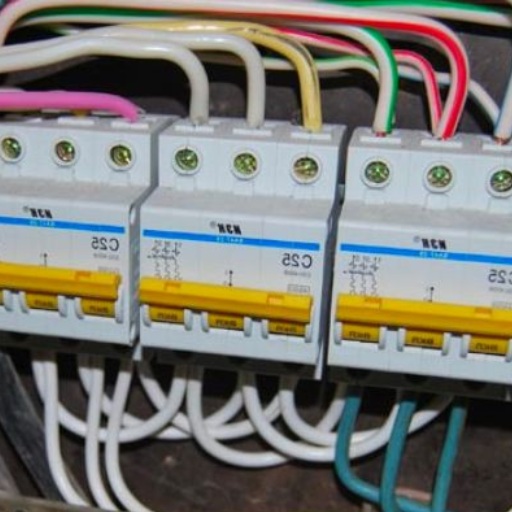
MCCB and MCB work as crucial elements for electrical circuit protection because both devices provide different protection functions and operational uses between them. The MCCB device operates at a maximum current capacity of 2500 amps which makes it suitable for use in commercial and industrial environments that require extensive electrical capacity. The system provides adjustable trip settings which enable it to protect circuits from three types of electrical faults which include overloads and short circuits and ground faults.
MCB devices operate with current limits that reach 125 amps which makes them suitable for use in residential electrical systems. MCB devices use fixed trip settings to protect against overloads and short circuits which makes them suitable for protecting smaller circuits.
The second important distinction between the two systems exists in their design and their ability to be tailored according to specific needs. MCCBs are larger devices that provide multiple configuration options and they include advanced functions which enable operators to control devices from a distance and receive fault alerts. MCBs, while simpler in design, are cost-effective and ideal for smaller-scale systems requiring straightforward circuit protection. The understanding of these distinctions enables the correct selection of breakers needed to meet system requirements and safety requirements.
Applications of MCCBs in Electrical Systems
Utilization of Moulded Case Circuit Breakers (MCCBs) is essential in the servicing of many systems because of the protection and control they provide in many applications. These are used mostly in industries and commercial centers that operate with larger currents as well as higher safes. MCCBs provide security for large switchboards, motor feeders and switchboards operated by providing protection in conditions of both overcurrent and short-circuits. And this will be helpful in environments which have varying loads, since alterable trips from such devices ensure that each installation is protected adequately. In addition, MCCBs are used in many cases of renewable energy power plants like solar or wind energy for the protection of the equipment from damage minimizing the loss of power. Furthermore, their strength is in their wide range and they are very effective for guaranteeing that the electrical systems of today are safe and effective.
Common Sizes of Molded Case Circuit Breakers and How They Are Used
Numerous common sizes of Molded Case Circuit Breakers (MCCBs) are available in order to satisfy specific electrical requirements as well as catering to specific rated current and load capacities. These sizes generally range according to their current capacity bearing in mind the classified size range whose common rating is as follows: 16A, 32A, 63A, 100A, 160A, 250A, 400A, 630A and 1600A and other larger ratings. These lower ratings like 16 and 32 amperes are usually utilized in habitation, or luxuriously commercial usage aiding in the protection of circuits handling only limited power needs. Medium-size MCCBs like the 100 amps and 160 amps are common in large industrial complexes or big commercial buildings used for the sake of the protection of the equipment as well as high demand circuits.
When it comes to heavy industrial applications, 400A and larger are common to provide safety for larger equipment as well as for components like transformers or alternators. Each and every size of MCCB is rated for a certain breaking capacity thus ensuring that the protection provided within its rating is really effective for the short circuit currents. Newer versions of MCCBs sometimes incorporate adjustable protective settings which means that these devices can be adjusted to protect the circuits in a best way. There is flexibility for meeting varying safety requirements of the design in any technological area thanks to this feature as well as sizing of components.
Conclusion and Best Practices
What is Trip Setting?
A trip setting simply alludes to the thresholds or conditions programmed into a molded case circuit breaker (MCCB) in order to perceive when to break a particular circuit. These are meant to recognize abnormal states like overload or short circuits and disconnect the supply from the affected circuit before any damage occurs to any equipment, risk of fire is reduced and general safety is enhanced. It is possible to change trip settings depending on the mode of operation of the electrical system so that the most efficient protection is provided for different types of working conditions in a plant. Because of this, there can be many users of such parameters to define an acceptable level of protection. With the correct configurations in place, there is a better continuity of services and devices without unnecessary disturbance of them.
Adjustable and Fixed Boundaries of a Work Time Frame
The qualitative measure in fixing or adjusting the boundary is usually their adjustability and the possibility of its application. Such boundaries are more portable in relation to the work of the miniature circuit breaker as it becomes possible for an operator to adjust the performance parameters of the equipment, as for example the current and time delay trip settings, according to the requirements of the actual electric system. This can be especially useful in conditions where loads change every once in a while or it is necessary to provide a particularly careful adjustment for easy and smooth operation avoidance of dangers. In contrast, fixed boundaries are programmed onto the equipment and its trip settings cannot be changed at all which means that it is a simpler and more cost effective solution particularly for straightforward projects having constant values of the current load. These are the two typical types of options, and users can choose either of these options basing on the overall installation complexity and requirements.’
In the Actuation of Circuit Breakers, Trip Settings are of Real Help
In allowing the seamlessly working of the circuit breaker in eliminating the fault such as the overcurrent and short circuit conditions, there is the set of trip settings which allows for a calibrating reasoning mechanism for such excesses. Ideally, the main function of trip settings is to provide electrical installations with protection against energy levels that may result in harm to the installations by breakdown of electrical current when excess is reached. Breakthroughs in the design of trip settings circuit breakers have made the trip settings more accurate and can be increased with the passing of time to handle larger number of callings and shall offer a steady state space. There has been an improvement in the area and now trip settings ca be modified specifically for a particular equipment or a system adapts wed worldwide flows. These suitable improvements are made to equipment which is subject to such protection and which culminates to high performance and less risk exposure. Trip settings are an indispensable aspect of system fail-safe operation in commercial as well as industrial settings as they are capable of growing with the increasing requirements.
Reference Sources
-
Breakers and Ground Wires – Georgia State University – Explains the typical sizes of circuit breakers and their applications in electrical circuits.
-
Fuses & Breakers – Building Maintenance & Construction – University of Hawaii – Discusses the relationship between wire sizes and circuit breaker ratings.
-
Circuit Breaker Ratings – A Primer for Protection Engineers – SEL Inc. – Explains how circuit breakers are rated and derated for various operating conditions.
Frequently Asked Questions (FAQs)
What are the most commonly used standard circuit breaker sizes and ampere ratings?
Commonly used standard circuit breaker sizes are often associated with the commonly used standard amperage ratings such as 15A, 20A, 30A, 40A, 50A and larger frame sizes like 125A, 175A, 225A, 350A and above for distribution panels in the industrial settings. Fifteen and thirty amperages are usually reserved for light and even heavier voltage applications which are used in the apartment and other areas in existence, respectively, fitted with a wiring of 14 AWG or lower and 12 AWG, respectively. Some devices such as dryers for instance or heating appliances may consume power requiring 20 Amperes. This also includes 30A or 40A circuits. If the power and capacity of the system is low, the rated amps, such as 450A, 700A or even more upper ratings, may be required depending on the panel and maximum fault current computations. Attrition systems and grounding systems are not prescribed in the Code and do not allow unnecessary trips or excess fire risk. Always check the physical size of the panel, terminal ratings and mounting provisions of the breaker when selecting an overcurrent protection device for the panel.
In which ways the implementation of the NEC changes the choice and placement of breakers?
The NEC (National Electrical Code) contains various provisions concerning breaker rates, the current that may flow through conductors, and certain circuits, for example, those meant for lighting fixtures, cooking appliances, or washing clothes. These rules contained in NEC are aimed at discharge of the load, the derating process and the maximum anticipated fault current that the protective device can accommodate for the purpose of safety, and it must cut off the fault currents up to its rated capacity. For example, the NEC will state in situations where single pole breaker is required at the branch, or 2P breakers for MPB Circuits or 120/240V appliance like dryers, and range. Carrying out work in compliance with the NEC also requires proper labeling and mounting and torque recommendations at the panel, to prevent loose connections that could result in fire. When there are doubts on the choice of replacement or installation options, refer to the NEC codebook or a qualified electrician to ascertain the correct choice and a safe installation.
What is the difference between thermal-magnetic breakers, air circuit breakers and ACBs?
It’s quite common to find industrial, as well as residential applications where the circuit breaker combines both of the two protection techniques. The overload protection is provided by the thermal part while the short circuit protection by the magnetic part. Thermal-magnetic circuit breakers are able to perform other fuctions rather than only short circuit protection over loads. In the domestic and commercial sectors, air circuit breakers or ACBs and larger sized molded case breakers are commonly used. These other types of circuit breakers in industrial plants have higher interrupting rating like 1200A, 1600A, 2500A or even 3000A and are capable of handling symmetrical faults unto 65kA or higher currents. Air circuit breakers mostly perform two roles in power plants, that is, protection and control, rather preservation of power. Spill over suppression in systems with many enclosureed bus bars and flexible cables, presents interesting technical challanges. ACBs typically adopt a larger breakout force and require more space for mechanical operation than the miniature circuit breakers mounted on a lighting or small load branch circuits for instance. The decision is made basing on the purpose of the installation in order to use more of acbs for the main distributing and heavy loads. Therefore, it is highly critical to ensure that the current interrupting capacity of the roots of a tree is not stretched or picnic on the ground without any further hitches such as damages or fire outbreak.
How do I determine the correct breaker size for appliances like dryers, ovens or EV chargers?
Commence the appraisal with the figures inscribed on the domestic appliance namely rated amp and voltage (for instance a hair dryer that might 30A at 120/240V or the coffee machine on a 15A 120V circuit.), then simply adhere to the NEC codes and the manufacturer’s strategy of installation in order to size the breaker and the conductor. Generators will require 125% of the designed full load current for sizing the breaker and the conductor whereas for heating and cooking equipment the calculation can be more complex at 125% or some other load diversity statistics. To begin with make sure the breaker’s short circuit rating protects against the maximum fault current available at the source and the panel will accomodate the frame size and number of poles of the breaker(single phase or 3P). When increasing the amperage of a breaker intentionally, preferably conclude downstream with service entrance or appliance wiring, and use insulated wires corresponding with the revised rating— e.g., 12-gauge cables for a 20A device, and 10-gauge for 30A device, to avoid heat buildup and in the worst case fire development. For additional panel space or charging stations space shall be evaluated first and then the structure mounting and serviceability of MCBs( miniaturized circuit breakers), other devices, or air circuit breaker shall be assessed.
What does interrupting rating mean and why is maximum fault current important?
The breaking capacity is the greatest current that can be broken down in a safely mannier by a protective device until it gets permanently damaged. It is usually given by manufacturers in figures like 6000 amperes or even higher than the previous ones such as 4000 or 5000 or 6000 amperes. The maximum fault current is the highest short circuit current, which is to be limiting in the system. The value should be not more than the connected breaker’s interrupting rating, or else it will result in a severe case such as damaging the circuit breaker. For low voltage system fault calculations, available fault current is the fault current for the system, as calculated from transformer ratings, system impedance, and arrangement of the switchboards, etc., which reflect the need of air circuit breakers or H-cbs that are oltimate performers in fault control. They are! Used with low rating devices is a very foolish safety practice that exposes people and machines to danger. For this reason, it is important to always check the above parameters when choosing protection devices. In conclusion it is always advisable that, Beach Electrical and Technical Services be consulted for calculation of the current in fault conditions and determining the right protection device for installation purposes in respect of safety and regulations.
Can I replace a fuse with a breaker or swap breaker sizes during an upgrade?
It is conventional to replace a defective wire used fuse with nature on ohm a common house installations, but in the process of doing so you might need to ensure that the applicable rating of the breaker is inclusive of both the short circuit multiplier as well as the frame size of the panel, merely installing a higher amperage breaker than what is supposed to be there without addressing the conductors or the load calculation will only cause overheat to the system and even cause a fire. If one is only installing a breaker with a higher current rating, one also needs to take into account the rated current of the cables to be used together as well the ability of the panel bus bars and the suspensions or posts of the device in giving rooms to the replacement. We touch on the issue of branch circuit wiring whereby the fuses in a panel may fuse blown and m c be available. Here is the problem this time, when fixing the panels some will accept standard breakers while others have to be mounted with specific breakers and sometimes even with adapters. One should increase capacity requirements cautiously such that any increase from a connected load 30 to 50 amps should also entail replacement of the line with higher gage wire and confirmation of acceptable connection methods as per code with emphasis in areas such as kitchens, laundry, and other high use home areas. It is good practice to mark all changes on wiring of the panel. If you have already done it, but need assistance, it is strongly advisable to resort to the services of specialists in this field.